


Credential Management: Lost Cards, Staff Changes and Tenants
In today’s increasingly digital world, effective credential management has become a cornerstone of organizational security. Credential management refers to the processes and technologies used to create, store, and manage access credentials, such as passwords, access cards, and biometric data. As businesses expand and evolve, the need for robust credential management systems becomes paramount. A well-structured approach not only protects sensitive information but also ensures that only authorized personnel can access critical resources. This is particularly vital in sectors such as finance, healthcare, and government, where data breaches can have severe consequences.
Moreover, effective credential management fosters a culture of security awareness within an organization. When employees understand the importance of safeguarding their access credentials, they are more likely to adhere to security protocols. This proactive approach can significantly reduce the risk of unauthorized access and data breaches. By implementing comprehensive credential management strategies, organizations can mitigate potential threats and enhance their overall security posture. In essence, effective credential management is not just about protecting assets; it is about instilling a sense of responsibility and vigilance among all members of the organization.
In the realm of credential management, the challenges posed by lost cards, staff changes, and tenant transitions are significant. A related article that delves into the importance of effective security measures and the role of technology in safeguarding access is available at Alpha Security Corp. This resource highlights how CCTV installation can enhance security protocols, ensuring that organizations can better manage access control and mitigate risks associated with credential mismanagement.
Dealing with Lost or Stolen Access Cards
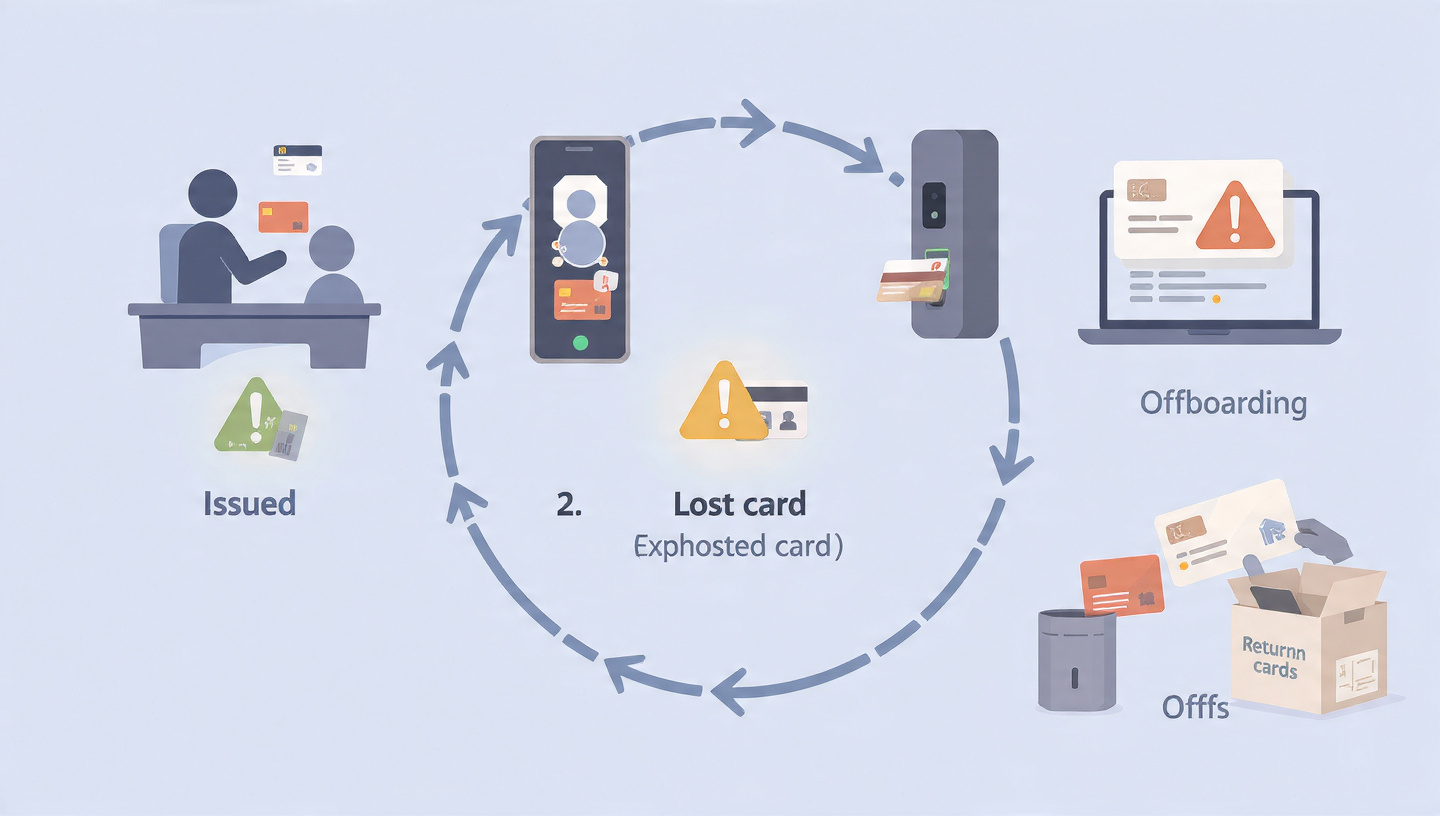
The loss or theft of access cards poses a significant risk to organizational security. When an access card falls into the wrong hands, it can lead to unauthorized entry into secure areas, potentially compromising sensitive information and assets. Therefore, organizations must have a clear and efficient protocol in place for dealing with lost or stolen access cards. The first step in this process is immediate reporting. Employees should be encouraged to report any lost or stolen cards as soon as possible, allowing security teams to take swift action.
Once a report is made, the organization should promptly deactivate the lost or stolen card to prevent any unauthorized access. This can often be done through a centralized access control system that allows for real-time updates. Additionally, organizations should consider issuing temporary access credentials to affected employees while they await a replacement card. This ensures that employees can continue their work without significant disruption while maintaining security integrity. Furthermore, conducting regular audits of access card usage can help identify any unusual activity that may indicate misuse of lost or stolen cards.
Managing Staff Changes and Revoking Access

Staff changes are a common occurrence in any organization, whether due to resignations, terminations, or internal transfers. Each of these changes necessitates a careful review of access privileges to ensure that only current employees have access to sensitive areas and information. Failing to revoke access for departing employees can lead to significant security vulnerabilities. Therefore, organizations must implement a systematic approach to managing staff changes and revoking access.
One effective strategy is to establish a centralized system for tracking employee status and access rights. This system should be updated in real-time as staff changes occur, allowing for immediate revocation of access when necessary. Additionally, organizations should conduct regular reviews of access privileges to ensure that they align with current employee roles and responsibilities. This proactive approach not only enhances security but also reinforces the importance of maintaining strict access controls within the organization.
Credential Management for Tenants and Visitors
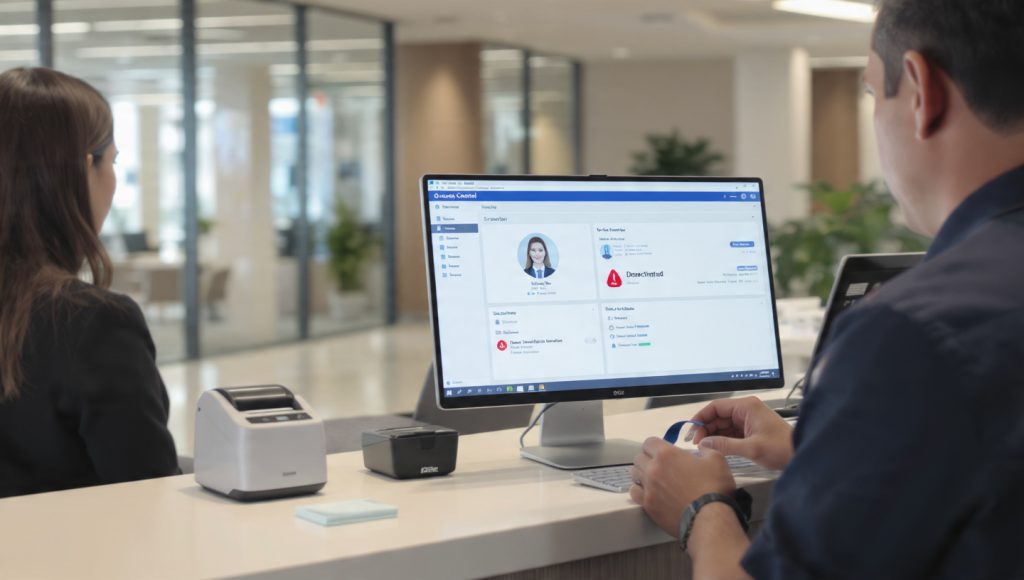
In many organizations, especially those with shared spaces or multi-tenant buildings, managing credentials for tenants and visitors is crucial for maintaining security. Unlike permanent staff members, tenants and visitors may require temporary access to certain areas without compromising overall security protocols. Therefore, organizations must develop clear policies for issuing and managing credentials for these individuals.
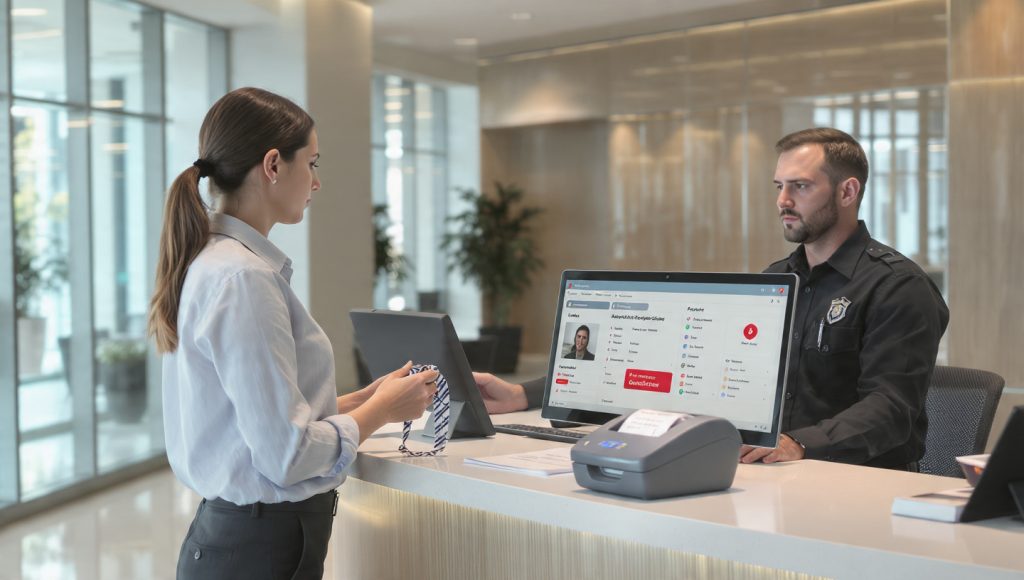
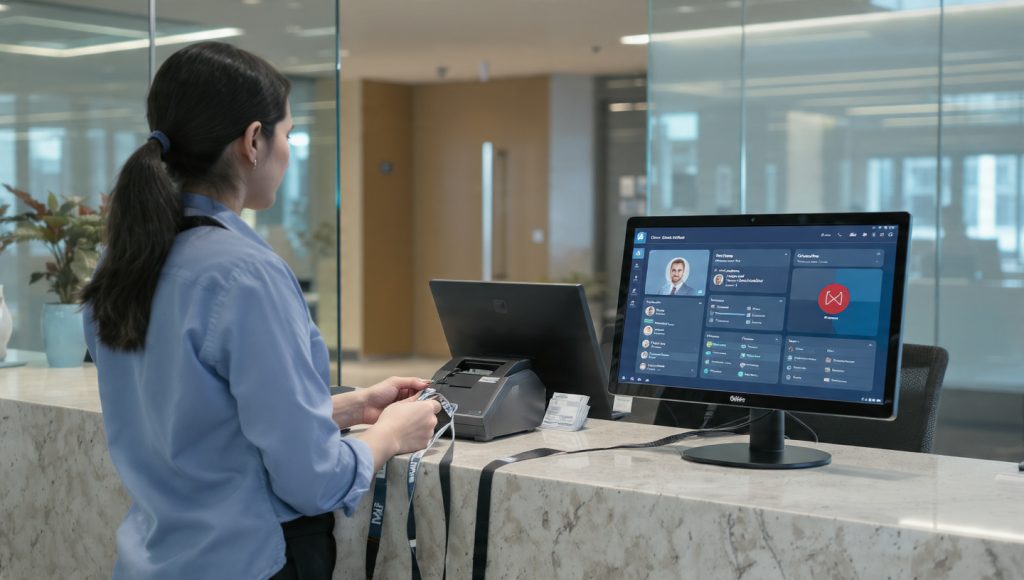
One effective method is to implement a visitor management system that allows for the pre-registration of guests. This system can capture essential information such as the visitor’s name, purpose of visit, and duration of stay. Upon arrival, visitors can be issued temporary access badges that are valid only for the specified time frame. Additionally, organizations should consider employing security personnel to monitor visitor access and ensure compliance with established protocols. By taking these steps, organizations can maintain a secure environment while accommodating the needs of tenants and visitors.
In the realm of credential management, issues such as lost cards, staff changes, and tenant transitions can pose significant challenges for organizations. To address these concerns effectively, it is essential to stay informed about the latest innovations in security solutions. For instance, a recent article discusses advancements in home security that can enhance credential management systems and improve overall safety. You can read more about these innovations in the article here.
Implementing Secure Access Control Systems
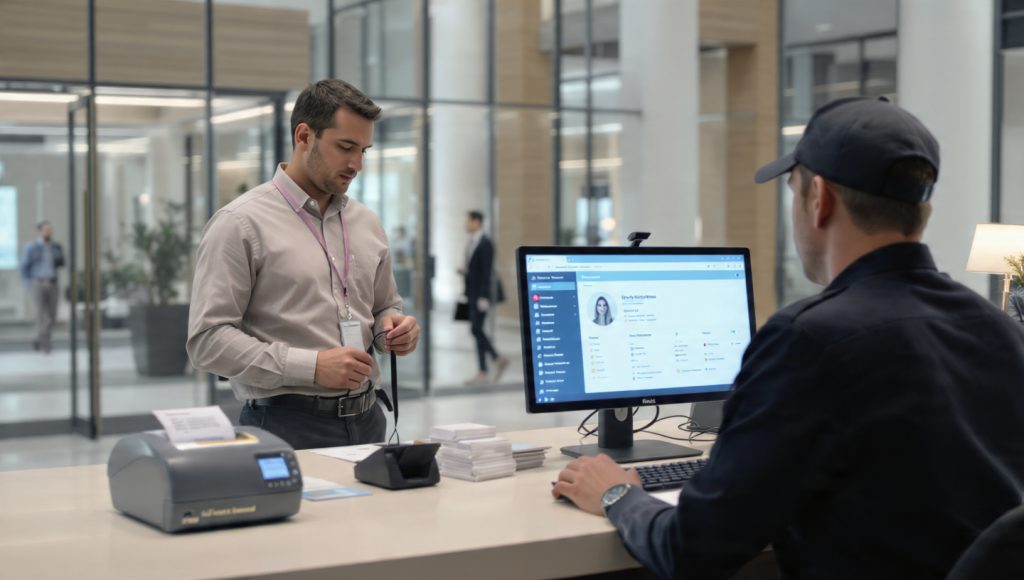
The foundation of effective credential management lies in the implementation of secure access control systems. These systems serve as the first line of defense against unauthorized access and are essential for protecting sensitive areas within an organization. Modern access control systems utilize various technologies, including key cards, biometric scanners, and mobile credentials, to ensure that only authorized individuals can gain entry.
When selecting an access control system, organizations should consider factors such as scalability, ease of use, and integration capabilities with existing security infrastructure. A well-designed system should allow for seamless updates and modifications as organizational needs change over time. Additionally, organizations should prioritize systems that offer robust reporting features, enabling them to track access patterns and identify potential security breaches proactively. By investing in secure access control systems, organizations can significantly enhance their overall security posture.
Best Practices for Credential Management
Peace of mind is our priority.To ensure effective credential management, organizations should adhere to several best practices that promote security and efficiency. First and foremost, it is essential to enforce strong password policies that require employees to create complex passwords that are difficult to guess. Regularly updating passwords and implementing multi-factor authentication can further enhance security by adding an additional layer of protection.
Another best practice is to conduct regular training sessions for employees on the importance of credential management and security awareness. By educating staff about potential threats such as phishing attacks and social engineering tactics, organizations can empower them to take an active role in safeguarding their credentials. Additionally, organizations should establish clear procedures for reporting lost or stolen credentials and ensure that these procedures are communicated effectively to all employees.
Ensuring Compliance with Data Protection Regulations
In an era where data breaches are increasingly common, ensuring compliance with data protection regulations is paramount for organizations managing credentials. Regulations such as the General Data Protection Regulation (GDPR) and the Health Insurance Portability and Accountability Act (HIPAA) impose strict requirements on how organizations handle sensitive information, including access credentials. Failure to comply with these regulations can result in severe penalties and damage to an organization’s reputation.
To achieve compliance, organizations must implement comprehensive policies and procedures that govern credential management practices. This includes conducting regular audits to assess compliance with data protection regulations and identifying areas for improvement. Additionally, organizations should stay informed about changes in legislation and adapt their practices accordingly. By prioritizing compliance with data protection regulations, organizations can not only protect sensitive information but also build trust with clients and stakeholders.
The Role of Technology in Credential Management
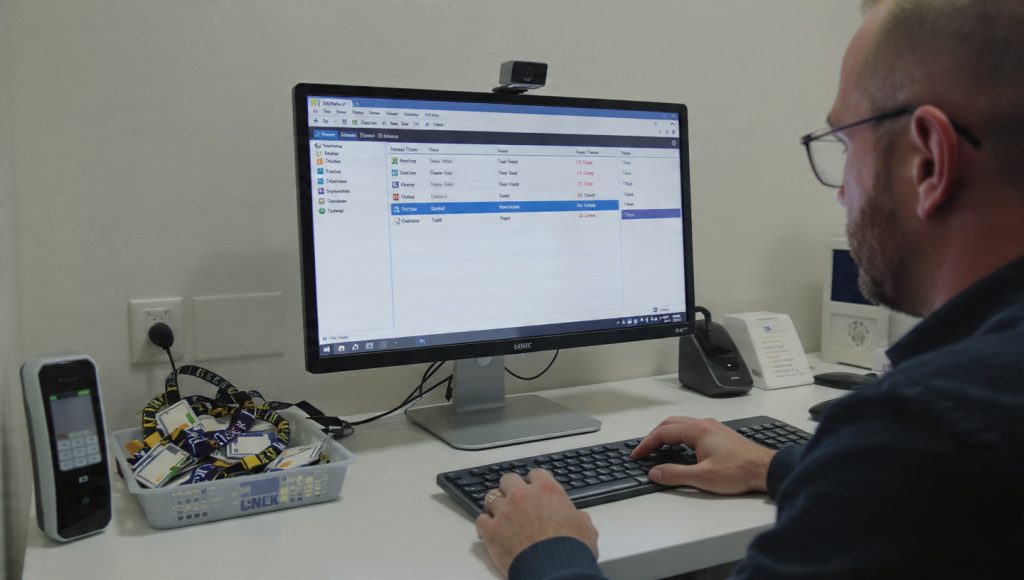
Technology plays a pivotal role in modern credential management practices. With advancements in digital security solutions, organizations now have access to a wide range of tools designed to streamline credential management processes while enhancing security measures. For instance, cloud-based credential management systems allow organizations to store and manage access credentials securely from anywhere in the world.
Moreover, biometric authentication technologies such as fingerprint scanners and facial recognition systems offer a higher level of security compared to traditional methods like passwords or key cards. These technologies not only reduce the risk of unauthorized access but also improve user convenience by eliminating the need for physical credentials altogether. As technology continues to evolve, organizations must remain vigilant in adopting innovative solutions that enhance their credential management practices while addressing emerging security challenges.
In conclusion, effective credential management is essential for safeguarding organizational assets and ensuring compliance with data protection regulations. By implementing secure access control systems, adhering to best practices, and leveraging technology advancements, organizations can create a robust framework for managing credentials effectively. As the landscape of cybersecurity continues to evolve, staying proactive in credential management will be crucial for maintaining a secure environment in which employees can thrive.