


Access Control System Costs Sydney: What Drives Price
Access control systems are essential for securing physical spaces, whether they are commercial buildings, residential properties, or sensitive areas like data centers. At their core, these systems consist of several key components that work together to manage who can enter a specific area and under what conditions. The primary elements include access control hardware, software, and the communication infrastructure that connects them.
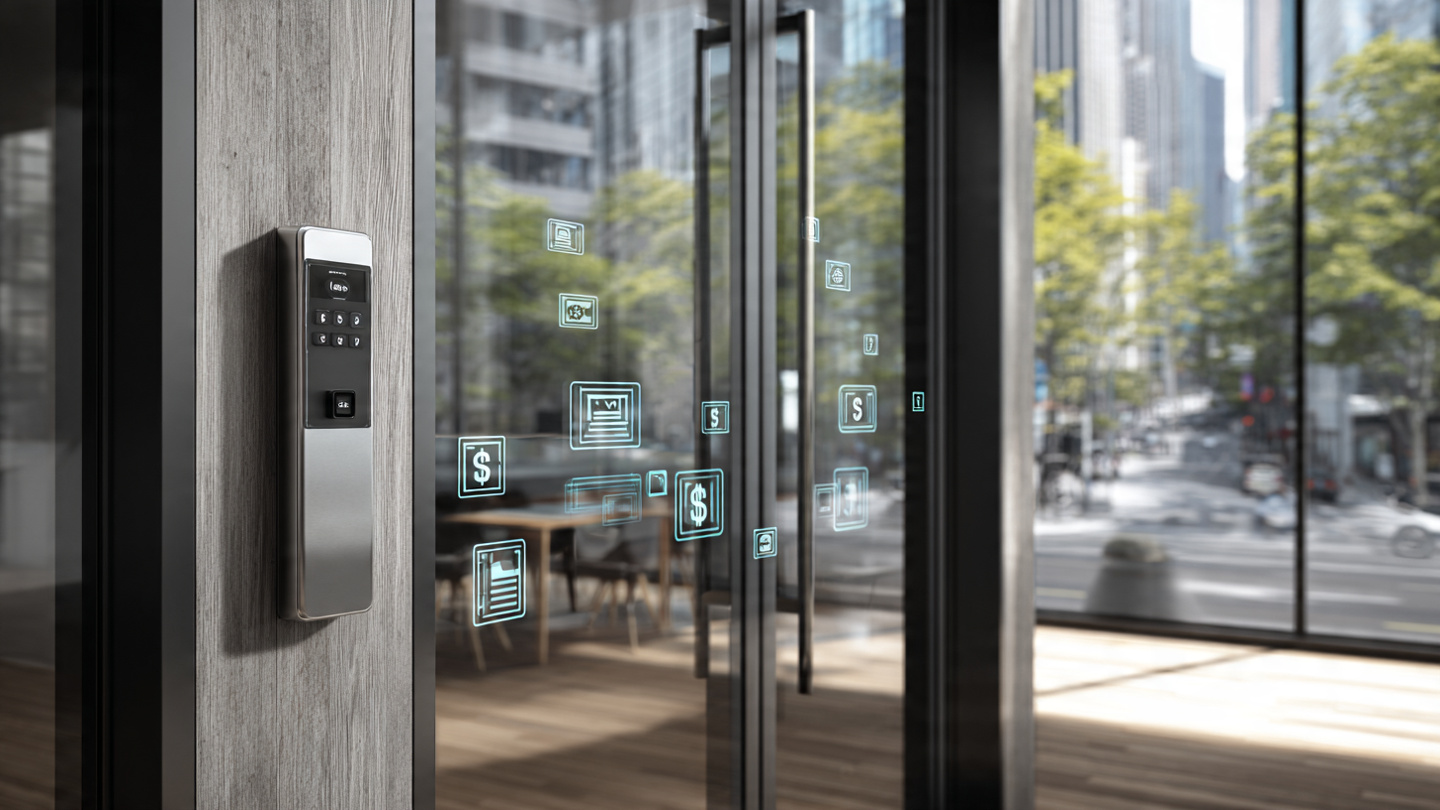
The hardware typically comprises electronic locks, card readers, biometric scanners, and keypads. Electronic locks can be operated via key cards or mobile devices, while biometric scanners use unique physical traits such as fingerprints or facial recognition to grant access. The software component is responsible for managing user permissions, logging access events, and providing an interface for administrators to monitor and control the system. Communication infrastructure, which may include wired or wireless networks, ensures that all components can communicate effectively, allowing for real-time updates and remote management capabilities.
When considering the various factors that influence the pricing of access control systems in Sydney, it’s beneficial to explore related topics that provide further insights into security solutions. For instance, an informative article on the services offered by Alpha Security can shed light on the different types of security systems available and their associated costs. You can read more about these services and how they impact pricing by visiting this link.
Factors Influencing Access Control System Costs
When considering the implementation of an access control system, various factors come into play that can significantly influence the overall costs. One of the most critical aspects is the scale of the system. A small office may require only a few access points and basic features, while a large corporate facility might need a comprehensive solution with multiple entry points, advanced security features, and extensive monitoring capabilities. The size and complexity of the installation will directly impact the cost.
Another important factor is the type of technology chosen for the system. Traditional key-based systems are generally less expensive than modern electronic solutions that incorporate biometrics or mobile access. Additionally, the level of security required will also dictate costs; higher security measures often necessitate more sophisticated technology and installation processes. Furthermore, ongoing operational costs such as maintenance, software updates, and potential system expansions should also be factored into the overall budget.
The Role of Technology in Access Control System Pricing
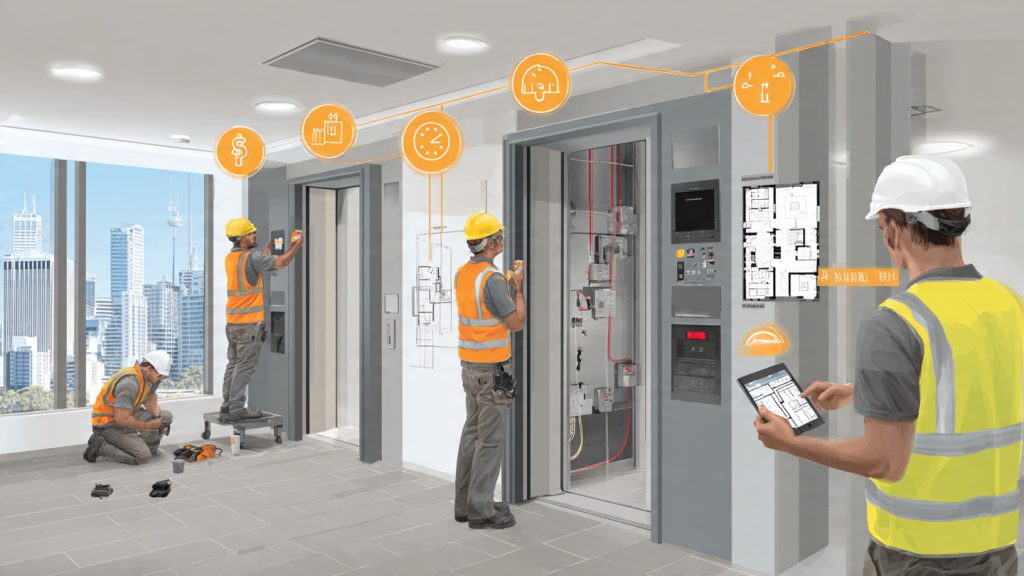
The rapid advancement of technology has transformed access control systems in recent years, leading to a wide range of pricing options based on the features and capabilities offered. Modern systems often utilize Internet Protocol (IP) technology, which allows for greater flexibility and integration with other security measures. This shift from analogue to digital systems has not only improved functionality but has also influenced pricing structures.
For instance, IP-based systems enable remote monitoring and management through mobile devices, which can be a significant selling point for businesses looking to enhance their security measures. However, these advanced features typically come at a higher initial investment compared to traditional systems. Additionally, the integration of smart technology—such as cloud storage for security footage or automated alerts—can further increase costs but may provide long-term savings through improved efficiency and reduced labor requirements.
Installation and Maintenance Expenses
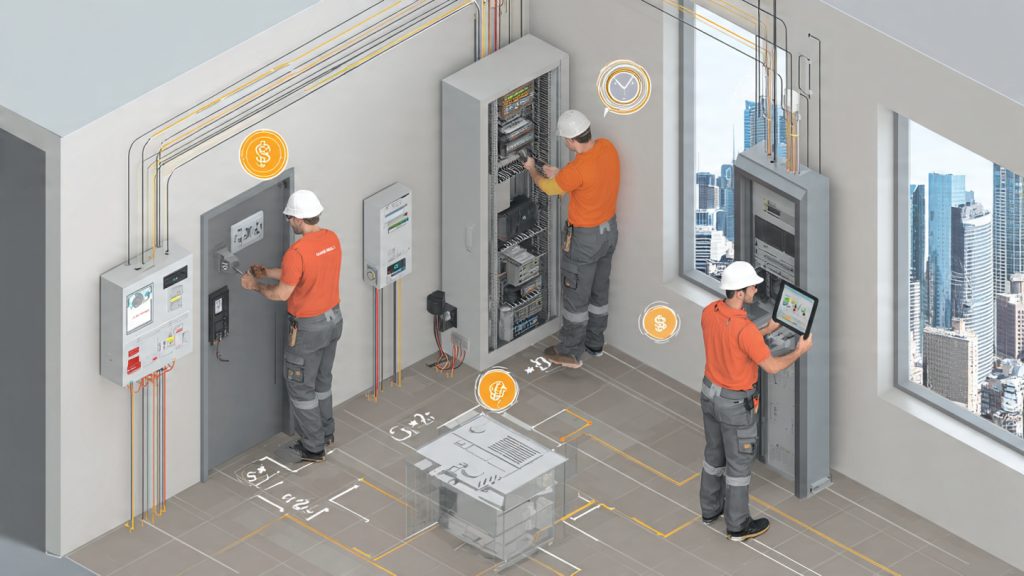
Installation costs for access control systems can vary widely depending on several factors, including the complexity of the system, the number of access points, and the existing infrastructure of the building. A straightforward installation in a small office may be relatively inexpensive, while a large-scale deployment in a multi-story building could require extensive wiring, specialized equipment, and professional labor, leading to higher costs.
Maintenance expenses are another critical consideration when budgeting for an access control system. Regular maintenance is essential to ensure that the system operates effectively and remains secure against potential vulnerabilities. This may involve routine inspections, software updates, and hardware replacements as needed. Some providers offer maintenance contracts that can help manage these costs over time, allowing businesses to budget more effectively for ongoing support.
When considering the various factors that influence the pricing of access control systems in Sydney, it is essential to understand the importance of professional installation. A related article discusses the necessity of hiring experts for commercial security setups, which can significantly impact the overall effectiveness and reliability of the system. For more insights on this topic, you can read about the benefits of professional installation in this article.
Customization and Integration Costs
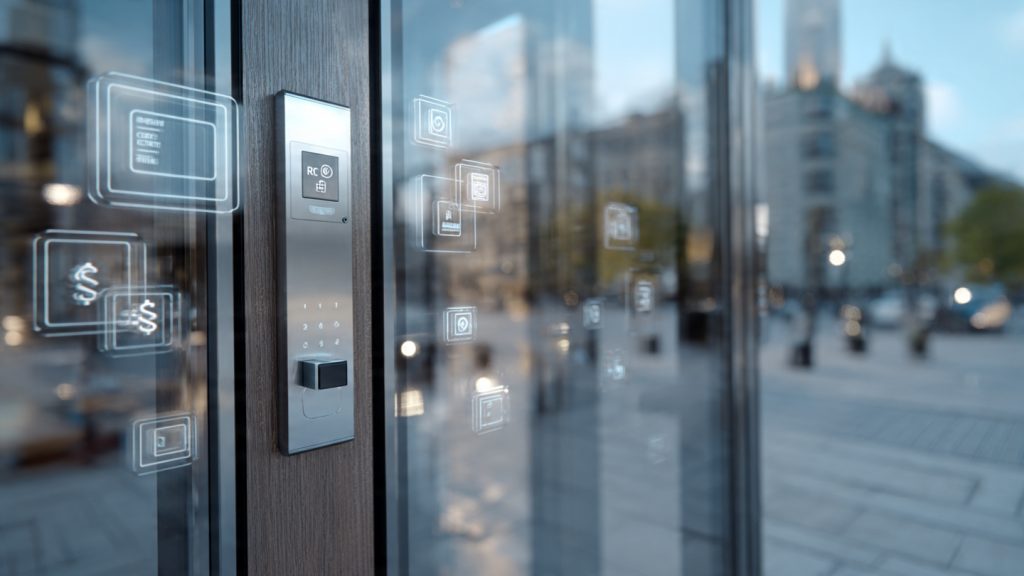
One of the significant advantages of modern access control systems is their ability to be customized and integrated with other security solutions. Customization allows businesses to tailor their systems to meet specific needs, such as unique access levels for different employees or specialized reporting features. However, this level of personalization often comes with additional costs.
Integration with other security measures—such as video surveillance systems or alarm monitoring—can also impact pricing. While integrating various systems can enhance overall security and streamline operations, it may require additional hardware or software investments. Businesses must weigh the benefits of a fully integrated security solution against the associated costs to determine the best approach for their needs.
Considerations for Access Control System Upgrades
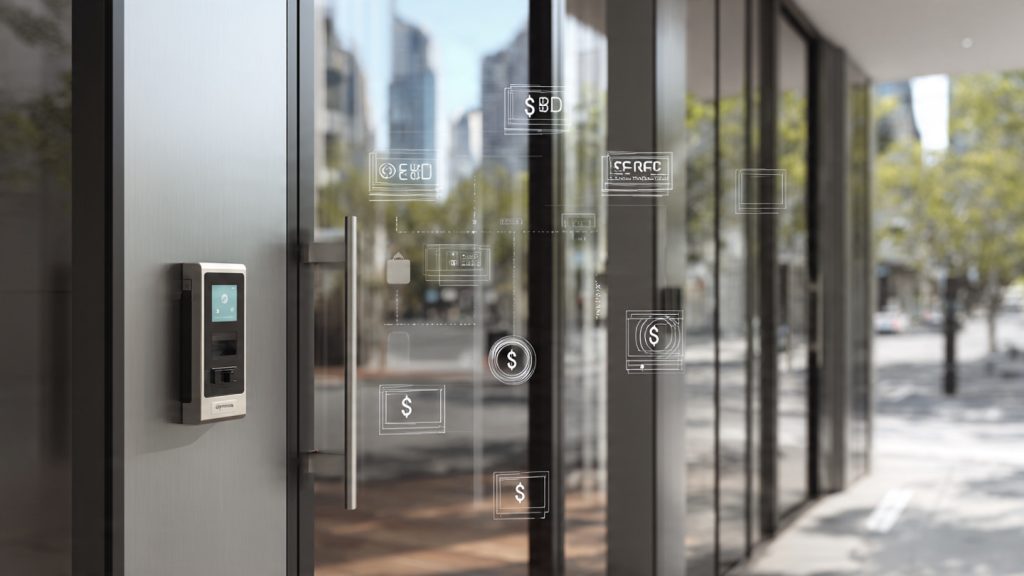
Peace of mind is our priority.As technology continues to evolve, businesses must consider how often they should upgrade their access control systems to stay current with industry standards and security best practices. Upgrading can provide numerous benefits, including enhanced security features, improved user experience, and increased compatibility with other technologies. However, it is essential to evaluate the costs associated with upgrading against the potential advantages.
When contemplating an upgrade, businesses should assess their current system’s performance and identify any limitations that may hinder their security efforts. For example, if a system lacks remote monitoring capabilities or is unable to integrate with newer technologies, it may be time to invest in an upgrade. Additionally, organizations should consider their long-term growth plans; a scalable solution that can adapt to future needs may be worth the initial investment.
Evaluating Return on Investment for Access Control Systems
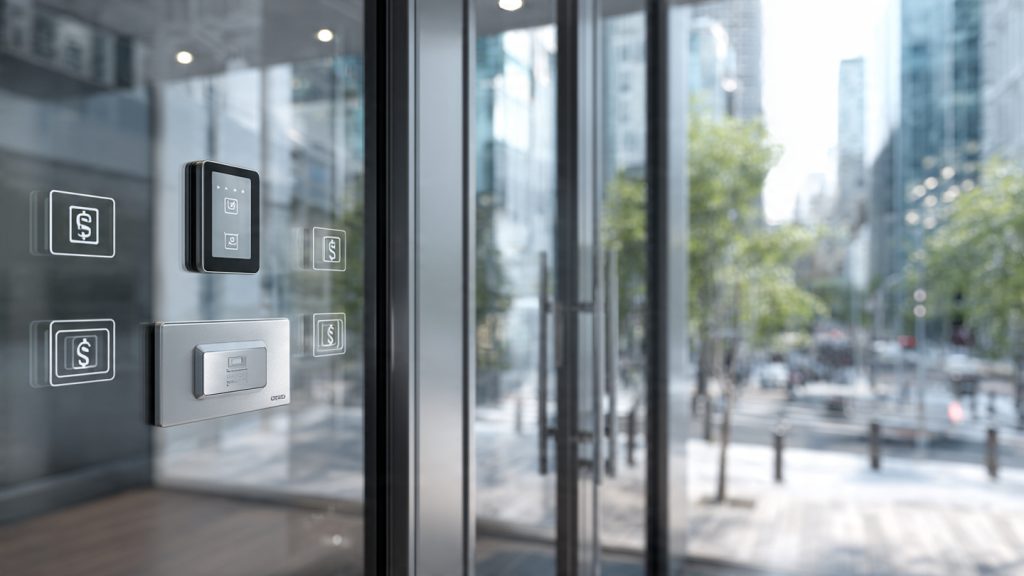
Determining the return on investment (ROI) for an access control system is crucial for businesses looking to justify their expenditures. ROI can be evaluated through various metrics, including cost savings from reduced theft or loss prevention, improved employee productivity due to streamlined access processes, and enhanced peace of mind for both employees and customers.
To accurately assess ROI, businesses should track key performance indicators (KPIs) related to security incidents before and after implementing the system. This data can provide valuable insights into how effectively the access control system is functioning and whether it is delivering the expected benefits. Additionally, organizations should consider intangible benefits such as improved reputation and customer trust that may arise from enhanced security measures.
Finding the Right Access Control System Provider for Your Budget
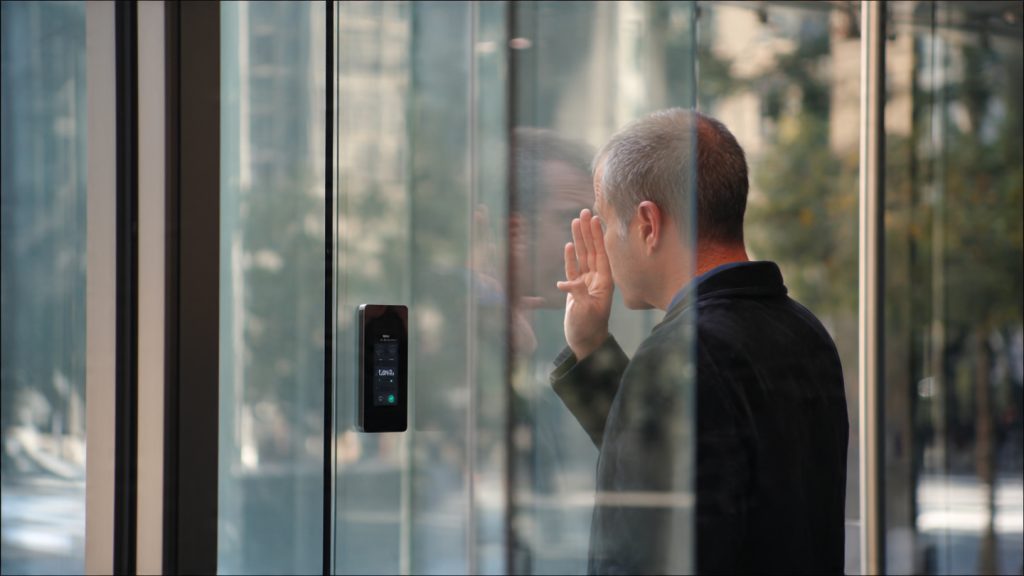
Selecting the right provider for an access control system is a critical step in ensuring that businesses receive a solution that meets their needs without exceeding their budget. It is essential to conduct thorough research on potential providers, evaluating their experience in the industry, customer reviews, and the range of services they offer.
When comparing providers, businesses should request detailed quotes that outline all associated costs—both upfront and ongoing—to ensure transparency in pricing. Additionally, it is beneficial to inquire about customization options and support services available after installation. A reputable provider will not only offer competitive pricing but also demonstrate a commitment to customer satisfaction through responsive support and maintenance services.
In conclusion, investing in an access control system is a significant decision that requires careful consideration of various factors influencing costs and functionality. By understanding the components of these systems and evaluating their needs against available options, businesses can make informed choices that enhance their security while remaining within budget constraints.