



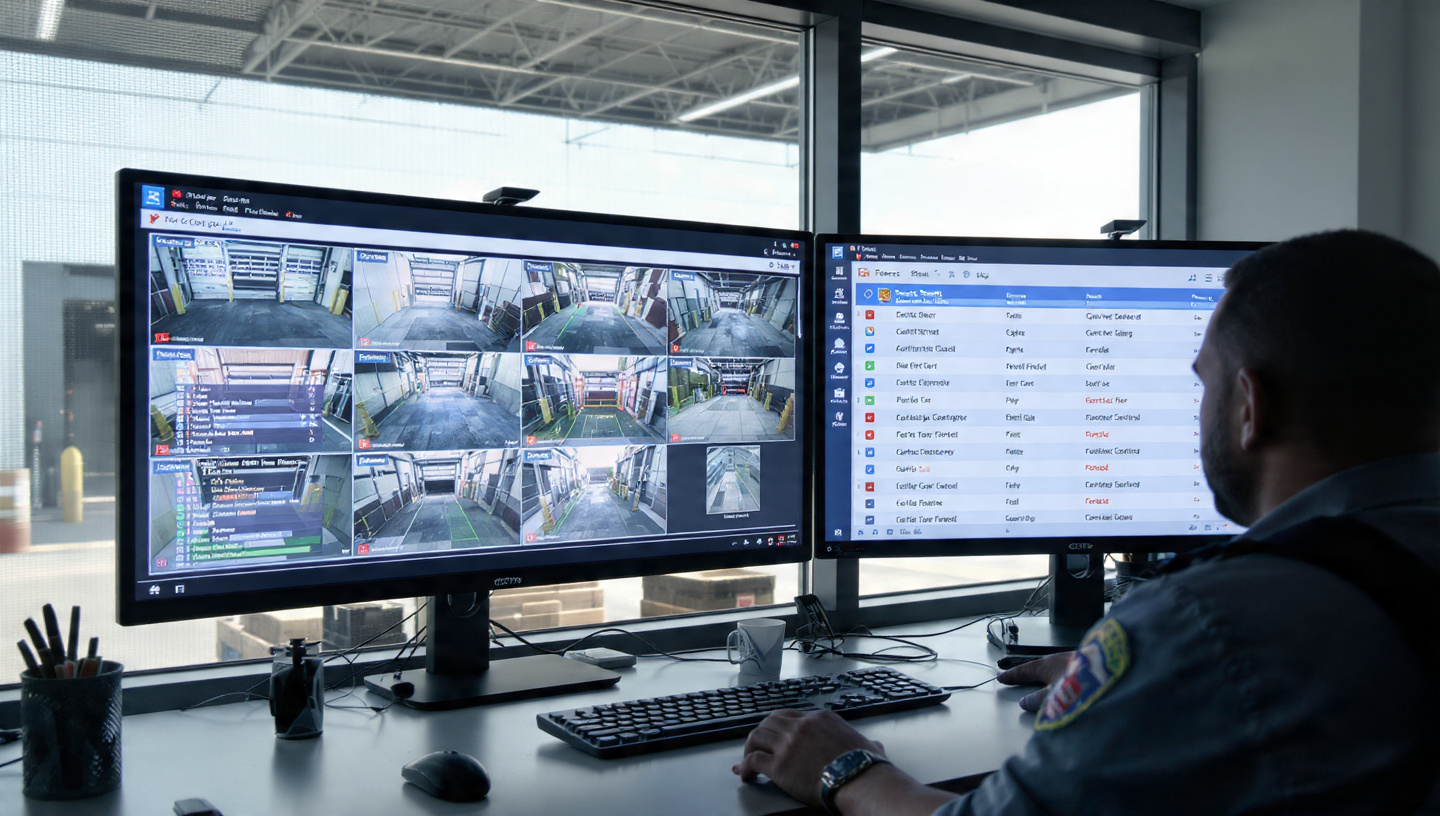
Loading Dock Security: CCTV Views and Access Rules That Work
Loading docks serve as critical points of entry and exit for goods and materials in various industries, making them essential to the overall supply chain. However, their accessibility also makes them vulnerable to security breaches, theft, and unauthorized access. The importance of loading dock security cannot be overstated, as it directly impacts the safety of personnel, the integrity of goods, and the operational efficiency of a business. A well-secured loading dock not only protects valuable inventory but also minimizes the risk of accidents and injuries that can occur in these high-traffic areas.
Moreover, loading docks are often the first line of defense against potential threats. With the increasing prevalence of organized crime and industrial espionage, businesses must prioritize the security of their loading docks to safeguard their assets. Implementing robust security measures can deter criminal activity, protect sensitive information, and ensure compliance with industry regulations. By understanding the significance of loading dock security, organizations can take proactive steps to create a safer environment for their employees and operations.
In addition to exploring effective CCTV views and access rules for loading dock security, it is also beneficial to consider how back-to-base alarm monitoring can enhance overall security for both homes and businesses. This approach provides an additional layer of protection, ensuring that any suspicious activity is promptly addressed. For more insights on this topic, you can read the related article on how back-to-base alarm monitoring enhances your security by following this link: how back-to-base alarm monitoring enhances your home and business security.
Implementing CCTV Views for Enhanced Surveillance
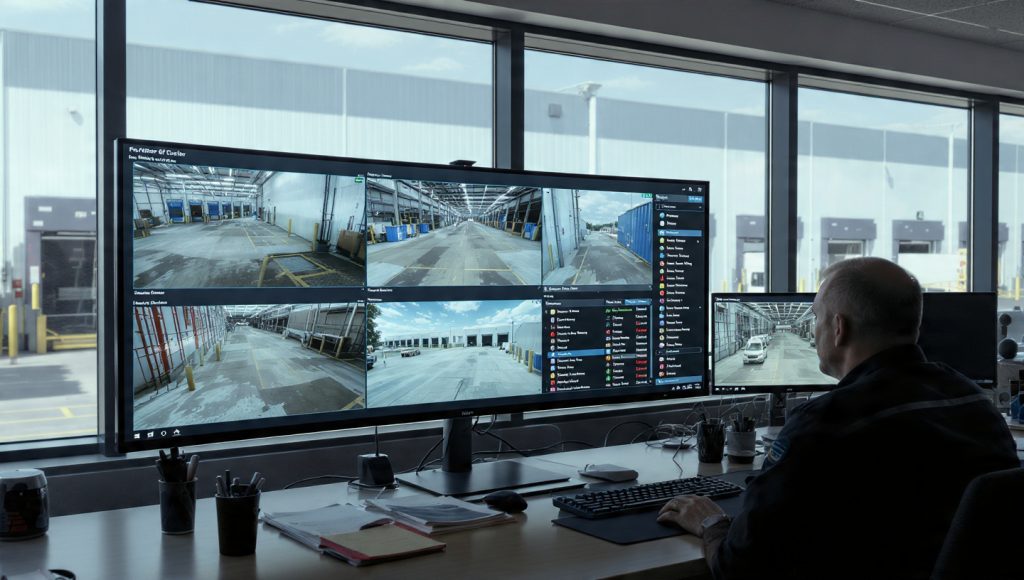
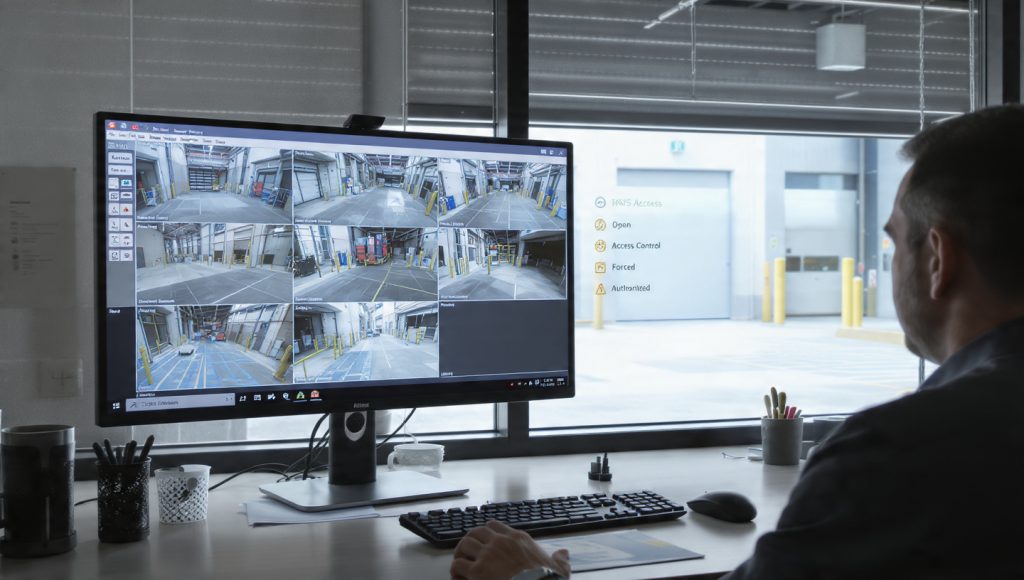
One of the most effective ways to bolster loading dock security is through the installation of closed-circuit television (CCTV) systems. These surveillance cameras provide real-time monitoring of loading dock activities, allowing security personnel to keep a watchful eye on all movements in and around the area. By strategically placing cameras at key vantage points, businesses can capture footage that serves as both a deterrent to potential intruders and a valuable resource for investigating incidents.
In addition to deterring criminal activity, CCTV systems can enhance operational efficiency by monitoring the flow of goods and personnel. With high-definition video feeds, security teams can identify bottlenecks in the loading process or detect unauthorized access attempts. Furthermore, modern CCTV systems often come equipped with advanced features such as motion detection and remote access capabilities, enabling security personnel to respond swiftly to any suspicious activity. By leveraging technology in this way, organizations can create a safer and more efficient loading dock environment.
Access Rules for Loading Dock Security

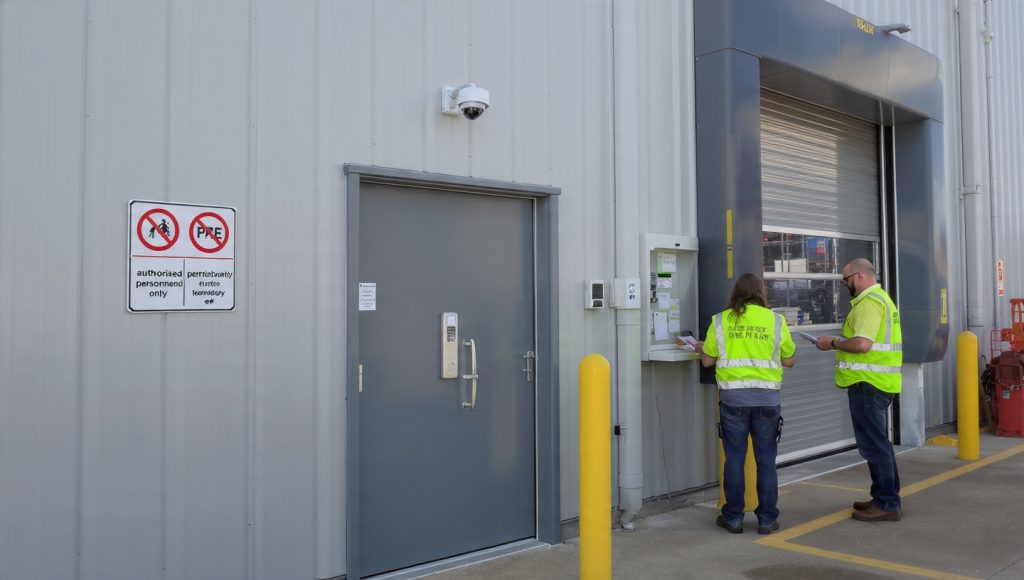
Establishing clear access rules is paramount for maintaining security at loading docks. These rules should outline who is permitted to enter the area, under what circumstances, and what identification is required. By implementing strict access control measures, businesses can significantly reduce the risk of unauthorized personnel gaining entry to sensitive areas. This may include requiring employees and visitors to wear identification badges or using biometric systems for secure access.
In addition to physical access controls, it is essential to develop protocols for monitoring and managing deliveries. This includes verifying the identity of delivery personnel and ensuring that all vehicles are properly registered before entering the loading dock area. By enforcing these access rules consistently, organizations can create a culture of security awareness among employees and visitors alike. This proactive approach not only protects valuable assets but also fosters a sense of responsibility among all individuals who interact with the loading dock.
Utilizing Technology for Monitoring and Control
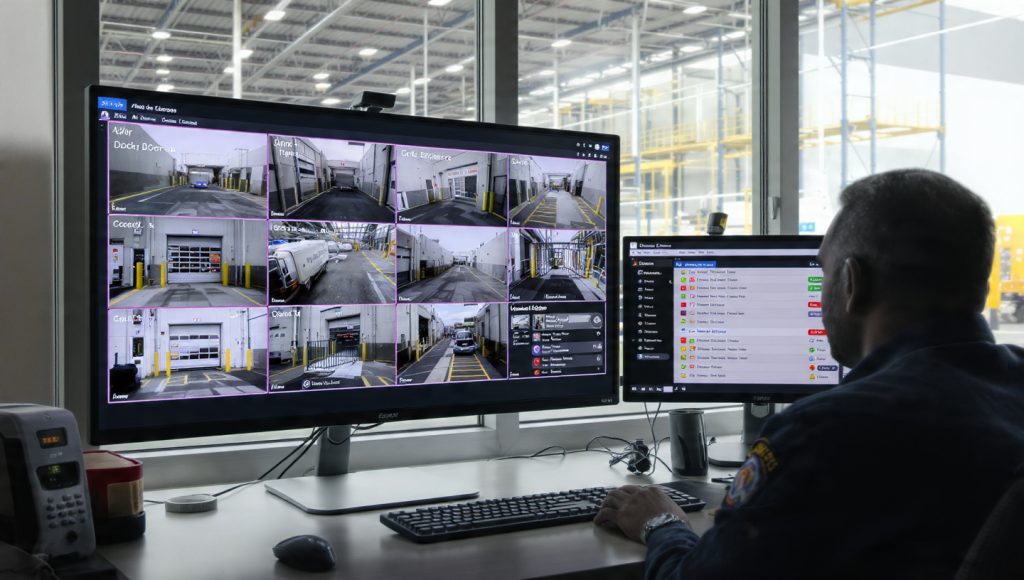
In today’s digital age, technology plays a crucial role in enhancing loading dock security. Beyond CCTV systems, various technological solutions can be employed to monitor and control access to loading docks effectively. For instance, electronic gate systems equipped with keycard or RFID technology can streamline entry while ensuring that only authorized personnel gain access. These systems can be integrated with existing security infrastructure to provide a comprehensive approach to monitoring.
Additionally, advanced software solutions can help organizations manage their loading dock operations more efficiently. For example, inventory management systems can track goods as they move in and out of the facility, providing real-time data on stock levels and delivery schedules. This information can be invaluable for identifying discrepancies or potential thefts. By harnessing technology for monitoring and control, businesses can create a more secure loading dock environment while optimizing their operational processes.
In the realm of loading dock security, understanding the importance of effective surveillance and access control is crucial. A related article that delves deeper into this topic can be found at Alpha Security Corp, where they explore various strategies and technologies that enhance safety and efficiency in high-traffic areas. By implementing robust CCTV systems and well-defined access rules, businesses can significantly reduce the risk of unauthorized entry and ensure a secure environment for their operations.
Training and Education for Loading Dock Personnel
A well-trained workforce is essential for maintaining security at loading docks. Employees should receive comprehensive training on security protocols, emergency procedures, and best practices for identifying suspicious behavior. Regular training sessions can help reinforce these concepts and ensure that all personnel are aware of their responsibilities in maintaining a secure environment.
Moreover, fostering a culture of security awareness among employees is vital. Encouraging open communication about security concerns and providing avenues for reporting suspicious activity can empower staff members to take an active role in safeguarding the loading dock. By investing in training and education, organizations can create a vigilant workforce that is equipped to respond effectively to potential threats.
In the realm of enhancing loading dock security, understanding the importance of effective surveillance systems is crucial. A related article that delves deeper into various security solutions can be found at Alpha Security Solutions, which provides insights into the latest technologies and strategies for safeguarding your premises. By implementing robust access rules and utilizing advanced CCTV systems, businesses can significantly reduce the risk of unauthorized access and ensure the safety of their operations.
Integrating Security Measures with Overall Facility Security
Enhance your peace of mind with Alpha Security Corp‘s tailored residential security systems.
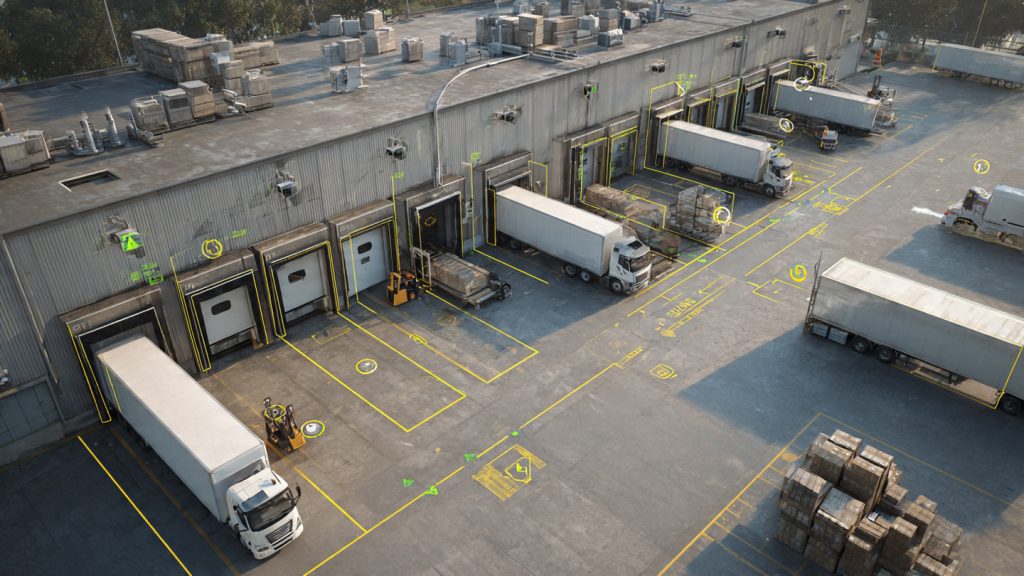
Loading dock security should not exist in isolation; it must be integrated with the overall security strategy of the facility. This holistic approach ensures that all security measures work in tandem to provide comprehensive protection for the entire premises. For instance, linking CCTV systems at the loading dock with those throughout the facility allows for centralized monitoring and response capabilities.
Additionally, coordinating with other departments within the organization—such as human resources and operations—can enhance security efforts. For example, sharing information about employee access levels or delivery schedules can help identify potential vulnerabilities in the loading dock area. By integrating security measures across all aspects of facility management, businesses can create a cohesive strategy that addresses potential threats more effectively.
Addressing Common Security Threats at Loading Docks
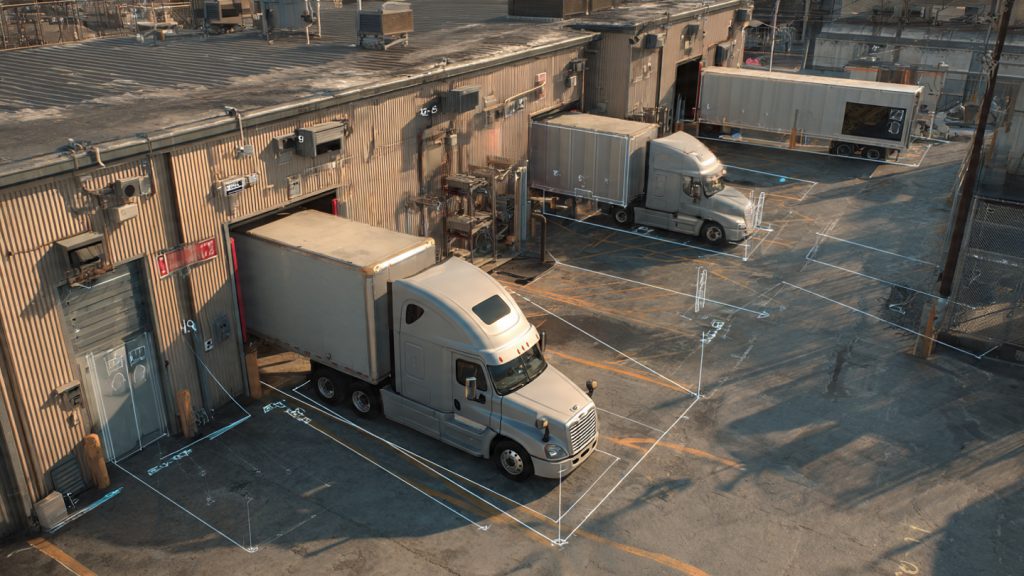
Loading docks face a variety of security threats that can compromise safety and operational efficiency. Common issues include theft of goods, unauthorized access by individuals posing as delivery personnel, and accidents resulting from poor visibility or inadequate training. To address these threats effectively, organizations must conduct regular risk assessments to identify vulnerabilities specific to their loading dock operations.
Implementing targeted security measures based on these assessments is crucial. For instance, if theft is a significant concern, businesses may consider increasing surveillance or employing additional security personnel during peak hours. Similarly, if unauthorized access is prevalent, reinforcing access control measures may be necessary. By proactively addressing common security threats, organizations can minimize risks and create a safer working environment.
Creating a Comprehensive Security Plan for Loading Docks
Developing a comprehensive security plan for loading docks involves a multi-faceted approach that encompasses all aspects of security management. This plan should include detailed protocols for access control, surveillance measures, employee training, and emergency response procedures. Additionally, it should outline roles and responsibilities for all personnel involved in maintaining security at the loading dock.
Regular reviews and updates to the security plan are essential to ensure its effectiveness over time. As new technologies emerge and operational needs change, organizations must adapt their strategies accordingly. Engaging stakeholders from various departments in this process can provide valuable insights and foster a collaborative approach to security management. By creating a robust and adaptable security plan, businesses can enhance their loading dock operations while safeguarding their assets and personnel.
In conclusion, securing loading docks is an essential aspect of protecting valuable assets and ensuring operational efficiency within any organization. By understanding the importance of loading dock security and implementing comprehensive measures—including advanced technology, employee training, and integrated strategies—businesses can create a safer environment for their operations. As threats continue to evolve, staying vigilant and proactive in addressing potential vulnerabilities will be key to maintaining effective loading dock security in the future.