


![cctv and alarm servicing in [location]](https://alphasecuritycorp.com.au/wp-content/uploads/2026/03/ultra-realistic-closeup-of-a-workstation-where-a-s3.jpeg "ultra-realistic-closeup-of-a-workstation-where-a-s(3)")
Event CCTV: Coverage Planning and Incident Documentation
In today’s world, the significance of event CCTV coverage cannot be overstated. As events grow in size and complexity, the need for effective surveillance becomes paramount. Event organizers must recognize that a well-planned CCTV system serves not only as a deterrent against potential criminal activities but also as a vital tool for ensuring the safety and security of attendees. The presence of cameras can foster a sense of security among participants, allowing them to enjoy the event without fear. Moreover, in the unfortunate event of an incident, having comprehensive CCTV coverage can provide crucial evidence that aids in investigations and helps to resolve disputes.
Planning for CCTV coverage at events is not merely about placing cameras in visible locations; it requires a strategic approach that considers various factors such as the layout of the venue, the expected crowd size, and the nature of the event itself. A thorough understanding of these elements allows organizers to create a tailored surveillance strategy that maximizes coverage while minimizing blind spots. This proactive approach not only enhances security but also demonstrates a commitment to attendee safety, which can significantly enhance the reputation of the event and its organizers.
For those interested in enhancing their understanding of Event CCTV, particularly in the areas of coverage planning and incident documentation, a related article can be found at Alpha Security Corporation. This resource provides valuable insights into the various aspects of CCTV systems, including their implementation and the importance of strategic placement for optimal surveillance effectiveness.
Factors to Consider When Planning Event CCTV Coverage
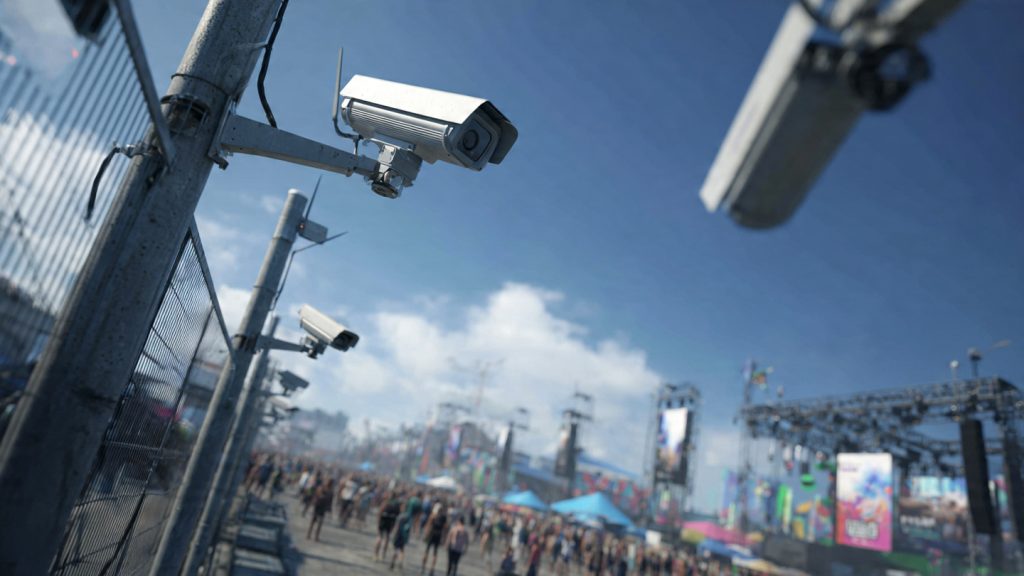
When planning CCTV coverage for an event, several critical factors must be taken into account to ensure optimal effectiveness. First and foremost is the venue layout. Understanding the physical space where the event will take place is essential for determining camera placement. High-traffic areas, entrances and exits, and locations where valuables may be stored should be prioritized for surveillance. Additionally, it is important to consider potential blind spots that could compromise security. A comprehensive site assessment can help identify these areas and inform decisions on camera positioning.
Another vital factor is the expected crowd size and demographic. Different events attract different audiences, and understanding the behavior and needs of attendees can influence how surveillance is implemented. For instance, a music festival may require a different approach compared to a corporate conference. The nature of the event can dictate not only the number of cameras needed but also the type of technology that should be employed. For example, events with large crowds may benefit from high-definition cameras with facial recognition capabilities, while smaller gatherings might suffice with standard surveillance equipment.
Best Practices for Event CCTV Coverage Planning

Implementing best practices in event CCTV coverage planning can significantly enhance security measures and ensure a smooth operation during the event. One key practice is to conduct a thorough risk assessment prior to the event. This assessment should evaluate potential threats and vulnerabilities specific to the event type and location. By identifying these risks early on, organizers can develop targeted strategies to mitigate them through effective camera placement and monitoring.
Another best practice is to ensure that all personnel involved in monitoring the CCTV system are adequately trained. This includes not only security staff but also event coordinators who may need to respond to incidents captured on camera. Training should cover how to operate the equipment, recognize suspicious behavior, and respond appropriately in various scenarios. Additionally, establishing clear communication protocols among team members can facilitate quick responses to any incidents that may arise during the event.
Utilizing Technology for Effective Event CCTV Coverage
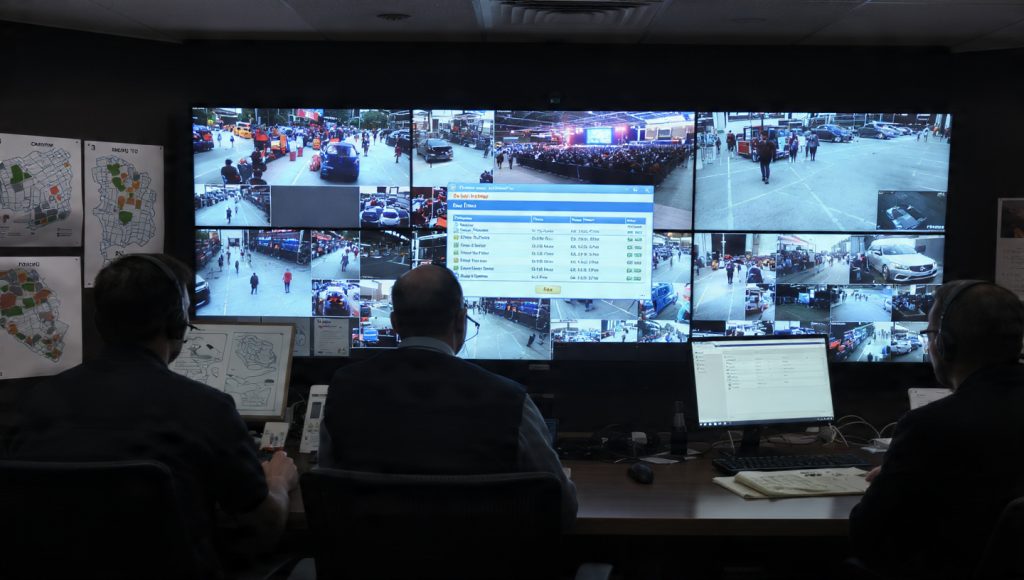
The advancement of technology has revolutionized the way event CCTV coverage is implemented. Modern surveillance systems offer features such as remote monitoring, cloud storage, and advanced analytics that can greatly enhance security efforts. For instance, remote monitoring allows security personnel to keep an eye on multiple camera feeds from a centralized location, enabling them to respond swiftly to any suspicious activity. This capability is particularly beneficial for large events where multiple areas need constant surveillance.
Moreover, integrating analytics into CCTV systems can provide valuable insights into crowd behavior and movement patterns. By analyzing data collected from cameras, organizers can identify trends that may indicate potential security issues or areas where additional resources are needed. This proactive approach not only improves real-time response capabilities but also aids in future event planning by highlighting areas for improvement based on past experiences.
In the realm of event CCTV, effective coverage planning and incident documentation are crucial for enhancing security measures. A related article discusses common mistakes businesses make in their security systems, which can lead to vulnerabilities. By understanding these pitfalls, organizations can better prepare their CCTV strategies to ensure comprehensive surveillance. For more insights, you can read the article on common security mistakes here.
Documenting Incidents with Event CCTV Footage
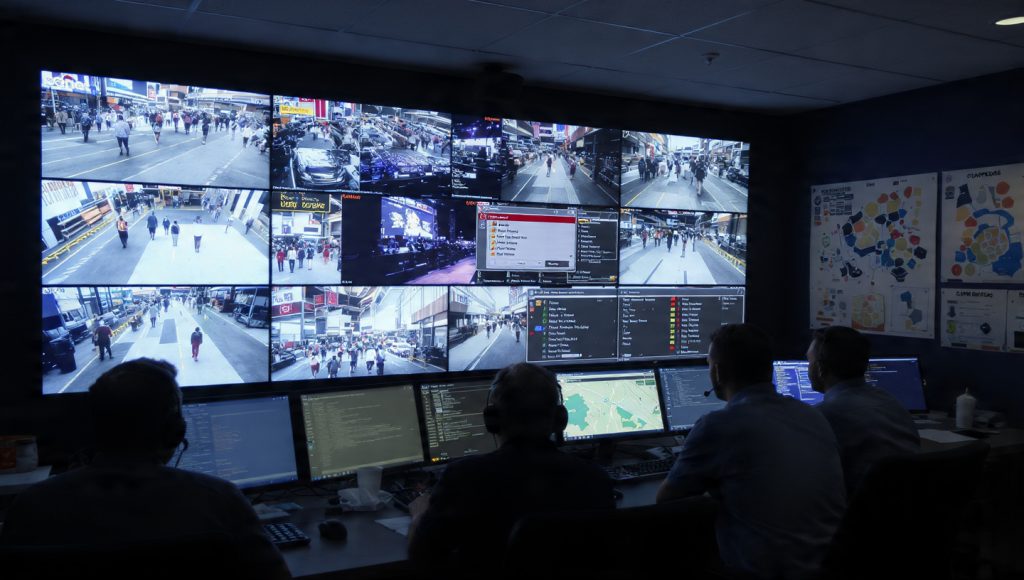
One of the primary purposes of event CCTV coverage is to document incidents as they occur. The ability to capture high-quality footage can be invaluable in resolving disputes or investigating criminal activities. When an incident occurs, having access to clear video evidence can help law enforcement agencies piece together what transpired and identify those involved. This documentation can also serve as a critical resource for insurance claims or legal proceedings that may arise from the event.
To maximize the effectiveness of incident documentation, it is essential to establish protocols for reviewing and storing footage. Organizers should determine how long footage will be retained and ensure that it is stored securely to prevent tampering or unauthorized access. Additionally, having a clear process for retrieving footage when needed can streamline investigations and ensure that evidence is readily available when required.
Ensuring Compliance with Privacy Laws and Regulations
Enhance your peace of mind with Alpha Security Corp‘s tailored residential security systems.
As important as it is to implement effective CCTV coverage at events, organizers must also be mindful of privacy laws and regulations governing surveillance practices. Different jurisdictions have varying laws regarding video surveillance, particularly concerning public spaces and individual privacy rights. It is crucial for event organizers to familiarize themselves with these regulations to avoid potential legal issues.
To ensure compliance, organizers should consider notifying attendees about the presence of CCTV cameras through signage or announcements. This transparency helps build trust with participants while also fulfilling legal obligations regarding privacy. Additionally, it may be necessary to obtain consent from individuals if cameras are placed in areas where they may have a reasonable expectation of privacy, such as restrooms or changing areas.
Collaborating with Law Enforcement for Incident Documentation
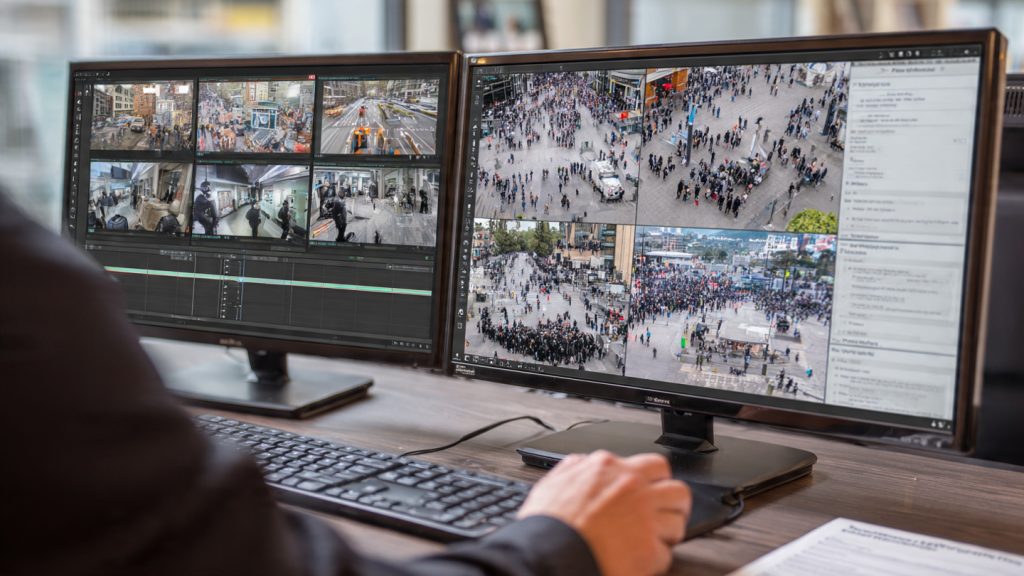
Collaboration with law enforcement agencies can significantly enhance the effectiveness of event CCTV coverage and incident documentation. Establishing a relationship with local law enforcement prior to the event can facilitate communication and coordination in case of emergencies or incidents requiring police involvement. Law enforcement officials can provide valuable insights into potential security threats based on their experience with similar events in the area.
In addition to pre-event collaboration, having law enforcement present during the event can serve as a deterrent against criminal activities while also providing immediate assistance if needed. Should an incident occur, law enforcement can work alongside security personnel to review footage and gather evidence efficiently. This partnership not only strengthens security measures but also fosters a sense of safety among attendees.
Evaluating and Improving Event CCTV Coverage and Incident Documentation

After an event concludes, it is essential for organizers to evaluate the effectiveness of their CCTV coverage and incident documentation processes. Conducting a post-event review allows teams to assess what worked well and identify areas for improvement. Gathering feedback from security personnel, law enforcement, and even attendees can provide valuable insights into how surveillance measures were perceived and whether they met their intended goals.
Based on this evaluation, organizers should consider making adjustments for future events. This could involve upgrading technology, refining camera placement strategies, or enhancing training programs for staff involved in monitoring footage. Continuous improvement ensures that each event benefits from lessons learned in previous experiences, ultimately leading to enhanced safety and security for all participants.
In conclusion, effective planning for event CCTV coverage is crucial in today’s environment where safety concerns are paramount. By understanding its importance, considering key factors during planning, implementing best practices, utilizing advanced technology, documenting incidents properly, ensuring compliance with privacy laws, collaborating with law enforcement, and continuously evaluating performance, organizers can create a secure environment that fosters trust and enjoyment among attendees. As events continue to evolve, so too must our approaches to security—making it imperative for organizers to stay informed and adaptable in their strategies.