


Maximizing Safety: Security Camera Installation Tips
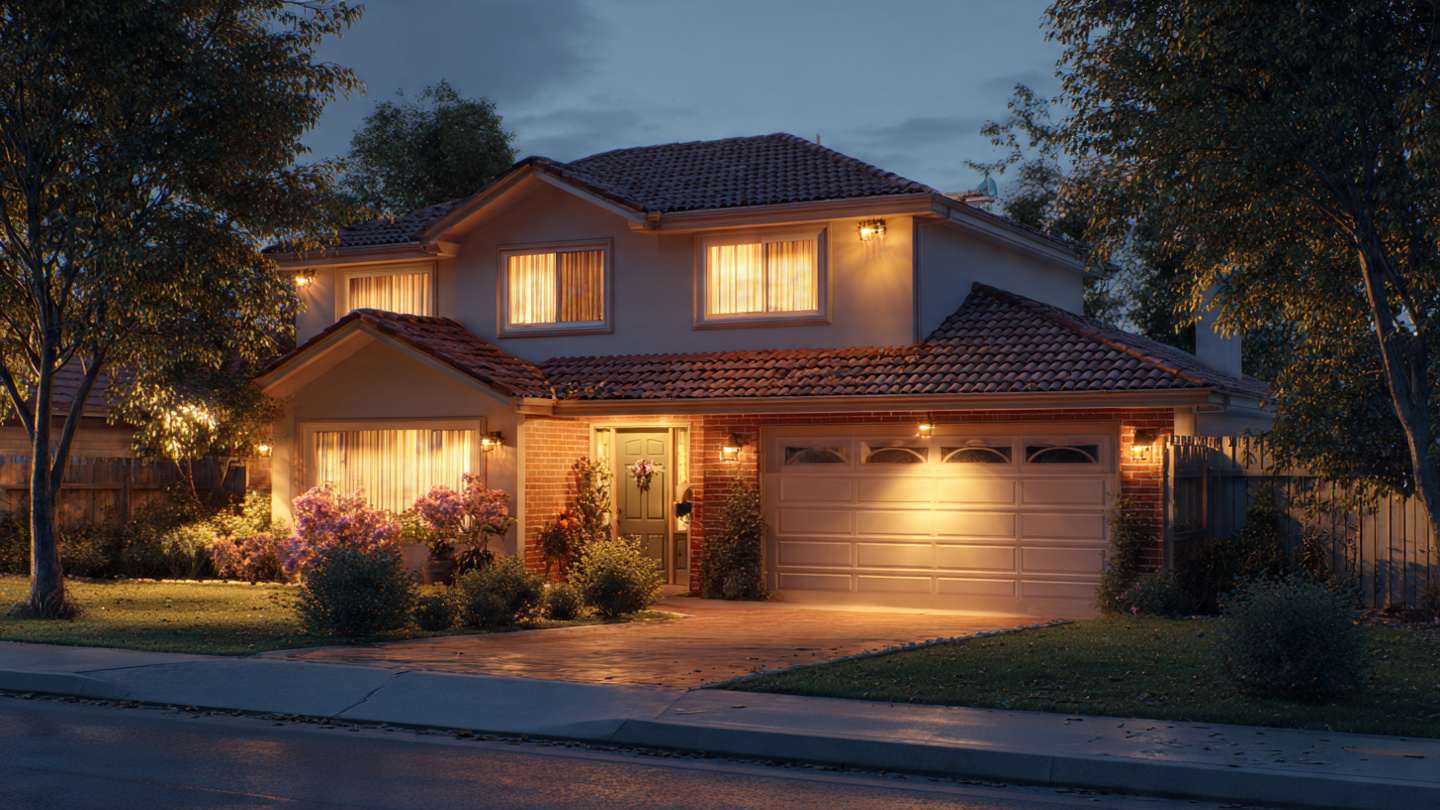
Selecting the optimal location for your security cameras is a critical step in establishing an effective surveillance system. The placement of your cameras can significantly influence their ability to capture clear images and monitor key areas of your property. When determining where to install your cameras, consider high-traffic areas such as entrances, driveways, and parking lots. These locations are often the most vulnerable to unauthorized access and criminal activity, making them prime spots for surveillance. Additionally, placing cameras at strategic points can help deter potential intruders, as they are less likely to target a property that is clearly monitored.
Moreover, it is essential to consider the field of view and coverage area of each camera. Ensure that there are no obstructions, such as trees or buildings, that could block the camera’s line of sight. It is also wise to install cameras at a height that makes them difficult to tamper with while still allowing for a clear view of faces and license plates. For residential properties, consider placing cameras near windows and doors, as these are common entry points for burglars. In commercial settings, focus on areas where cash transactions occur or where valuable inventory is stored. By carefully selecting the right locations for your security cameras, you can maximize their effectiveness and enhance the overall security of your property.
If you’re considering enhancing your home or business security, you might find it beneficial to explore the importance of data networking in conjunction with security camera installation. A well-structured data network can significantly improve the performance and reliability of your security systems. For more information on how data networking can support your security needs, check out this related article on data networking services.
Ensuring Proper Wiring and Power Supply for Your Cameras
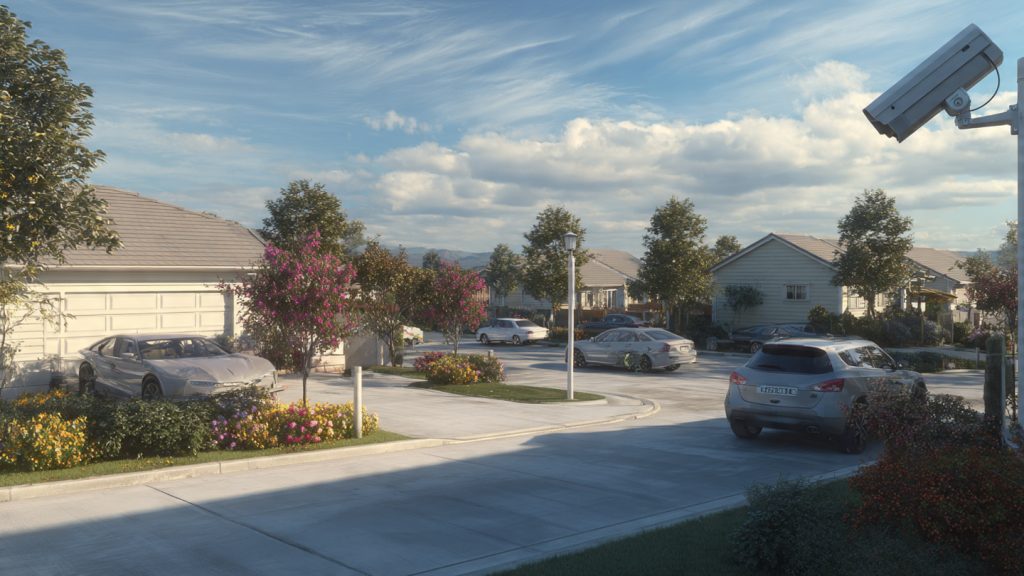
Once you have determined the ideal locations for your security cameras, the next step is to ensure proper wiring and power supply. A reliable power source is crucial for the uninterrupted operation of your surveillance system. Depending on the type of cameras you choose, you may need to run electrical wiring or utilize Power over Ethernet (PoE) technology, which allows both power and data to be transmitted through a single cable. This not only simplifies installation but also reduces clutter from multiple cables running across your property.
In addition to power supply considerations, it is vital to ensure that the wiring is protected from environmental factors and potential tampering. Use weatherproof cables and conduits for outdoor installations to prevent damage from rain, wind, or extreme temperatures. For indoor installations, consider concealing wires within walls or ceilings to minimize the risk of accidental disconnection or vandalism. Properly securing and managing your wiring will not only enhance the longevity of your security system but also contribute to its overall effectiveness in monitoring your property.
Selecting the Right Type of Security Camera for Your Needs
Choosing the right type of security camera is essential for meeting your specific surveillance needs. There are various types of cameras available on the market, each designed for different applications and environments. For instance, dome cameras are often used in indoor settings due to their discreet design and wide-angle lens, making them ideal for monitoring large areas without drawing attention. Conversely, bullet cameras are more suitable for outdoor use, as they are typically weatherproof and can be mounted on walls or ceilings to provide focused surveillance on specific points.
Additionally, consider whether you require fixed or PTZ (pan-tilt-zoom) cameras. Fixed cameras offer a stationary view of a designated area, while PTZ cameras allow for remote control of movement and zoom capabilities, providing greater flexibility in monitoring large spaces. Furthermore, assess whether you need features such as night vision, motion detection, or two-way audio capabilities. By carefully evaluating your unique requirements and understanding the various types of security cameras available, you can make an informed decision that best suits your surveillance needs.
Understanding the Importance of Camera Resolution and Quality
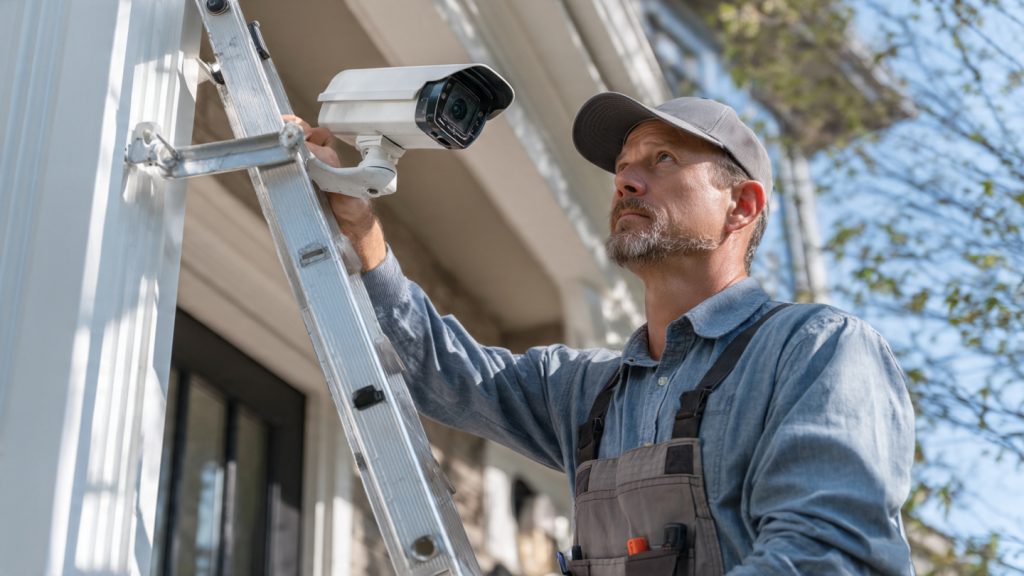
The resolution and quality of your security cameras play a significant role in the effectiveness of your surveillance system. Higher resolution cameras provide clearer images and more detail, which can be crucial in identifying individuals or capturing important events. For instance, a camera with 1080p resolution will deliver sharper images compared to a standard definition camera, making it easier to discern facial features or license plate numbers. As technology advances, many security systems now offer 4K resolution options, providing even greater clarity and detail.
In addition to resolution, consider other factors that contribute to camera quality, such as lens quality and sensor technology. A high-quality lens can enhance image clarity and reduce distortion, while advanced sensor technology can improve performance in low-light conditions. Investing in high-resolution cameras with superior quality will not only enhance your ability to monitor your property effectively but also provide valuable evidence in case of incidents or disputes.
When considering the installation of security cameras, it’s essential to understand how they can work in conjunction with alarm systems to enhance your property’s safety. A comprehensive guide on this topic can be found in an article that explains the concept of back-to-base alarms, which can provide an additional layer of security. For more insights, you can read the article here: what is a back-to-base alarm. This resource will help you make informed decisions about your security setup.
Setting Up Remote Viewing and Monitoring for Your Cameras
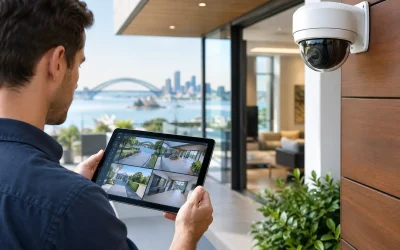
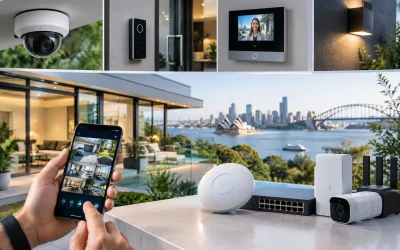
In today’s digital age, having the ability to monitor your security cameras remotely is an invaluable feature that enhances convenience and peace of mind. Many modern security systems offer remote viewing capabilities through mobile apps or web interfaces, allowing you to access live feeds from your cameras anytime and anywhere. This feature is particularly beneficial for business owners who need to keep an eye on their premises while away or homeowners who want to ensure their property is secure during vacations.
To set up remote viewing, ensure that your security system is compatible with internet connectivity and that you have a reliable Wi-Fi network in place. Follow the manufacturer’s instructions for configuring remote access settings and downloading any necessary applications. Once set up, you can receive real-time alerts and notifications about any suspicious activity detected by your cameras. This proactive approach allows you to respond quickly to potential threats and enhances the overall effectiveness of your security system.
When considering the installation of security cameras, it’s essential to evaluate whether your current home security system meets your needs. Upgrading your security system can significantly enhance your protection and peace of mind. For insights on whether it’s time to upgrade, you can read a related article that discusses the importance of modern security features and how they can benefit your home. Check it out here for more information.
Securing Your Cameras from Tampering and Vandalism
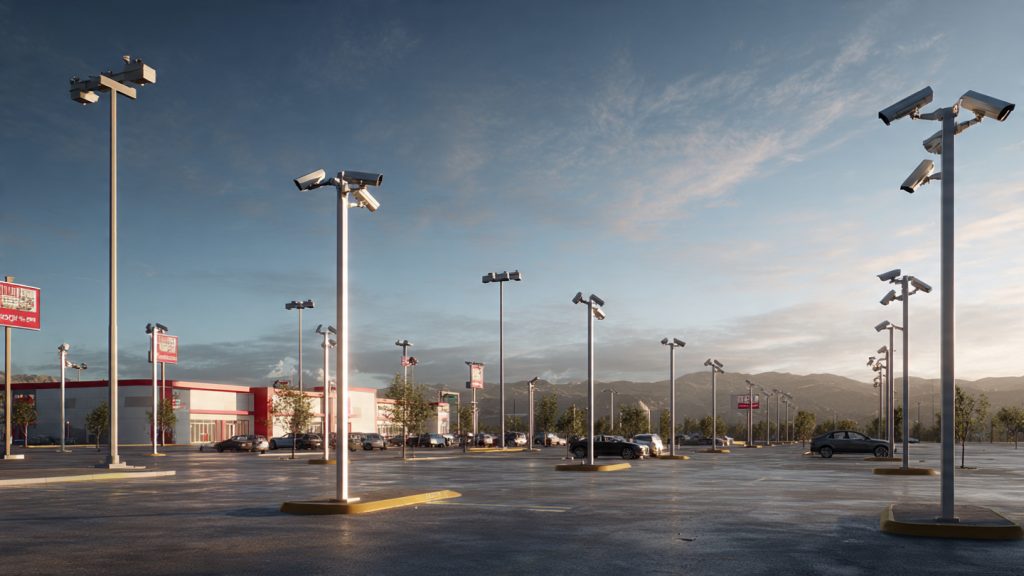
While installing security cameras is an essential step in protecting your property, it is equally important to secure those cameras from tampering or vandalism. Intruders may attempt to disable or damage your cameras to evade detection, rendering your surveillance system ineffective. To mitigate this risk, consider using tamper-resistant hardware when mounting your cameras. This includes screws that require special tools for removal and enclosures designed to protect against physical damage.
Additionally, positioning your cameras strategically can help deter tampering attempts. Install them at heights that are difficult to reach or in locations that are not easily accessible to potential intruders. Furthermore, consider using dummy cameras in conjunction with real ones; while they do not provide actual surveillance, they can serve as a visual deterrent against vandalism. By taking proactive measures to secure your cameras from tampering and vandalism, you can ensure that your surveillance system remains operational and effective.
Integrating Your Security Cameras with Other Home Security Systems
Integrating your security cameras with other home security systems can create a comprehensive approach to safeguarding your property. Many modern security systems allow for seamless integration with alarms, motion sensors, and smart home devices. This interconnectedness enables you to create a cohesive security network that enhances overall protection and simplifies monitoring.
For instance, when integrated with motion sensors, your security cameras can automatically begin recording when movement is detected in designated areas. Additionally, linking your cameras with alarm systems can trigger alerts if suspicious activity occurs, allowing you to respond promptly. Furthermore, smart home integration allows you to control all aspects of your security system from a single app or interface, providing convenience and ease of use. By integrating your security cameras with other systems, you can create a robust security solution tailored to meet your specific needs.
Regular Maintenance and Upkeep of Your Security Cameras
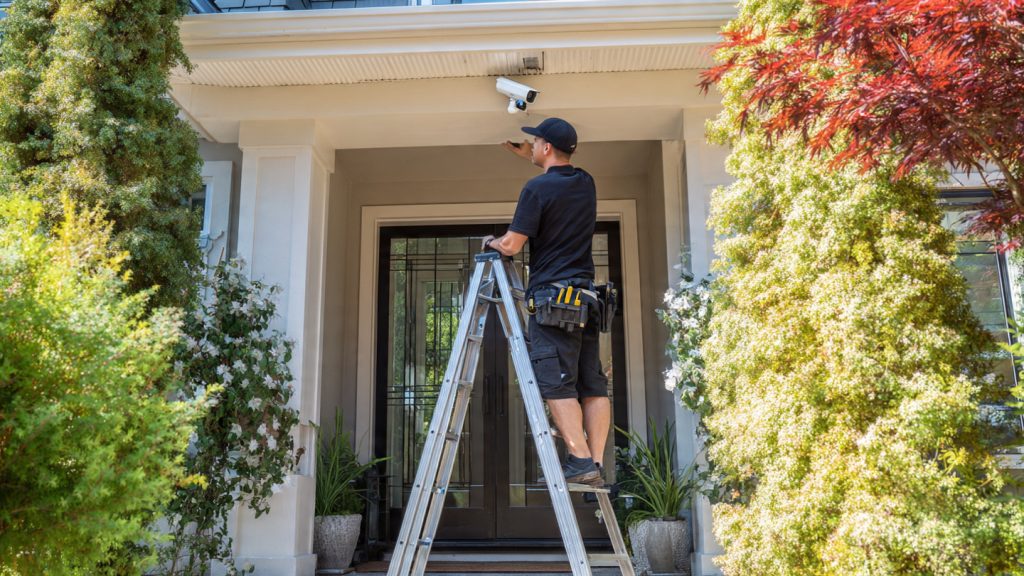
To ensure the longevity and effectiveness of your security cameras, regular maintenance and upkeep are essential. Over time, dust, dirt, and environmental factors can accumulate on camera lenses and housing, obstructing views and diminishing image quality. Schedule routine inspections to clean lenses and check for any signs of wear or damage. Additionally, verify that all wiring connections remain secure and free from corrosion.
It is also important to keep software and firmware updated to ensure optimal performance and security features are functioning correctly. Many manufacturers release updates that enhance camera functionality or address vulnerabilities; staying current with these updates will help protect your system from potential threats. By committing to regular maintenance and upkeep of your security cameras, you can maximize their effectiveness in monitoring your property while extending their operational lifespan.
In conclusion, establishing an effective security camera system involves careful consideration of various factors ranging from camera placement to integration with other security measures. By following these guidelines—choosing the right locations for installation, ensuring proper wiring and power supply, selecting suitable camera types based on specific needs, understanding resolution importance, setting up remote monitoring capabilities, securing against tampering, integrating with other systems, and committing to regular maintenance—you can create a robust surveillance solution that enhances the safety of both homes and businesses alike.