


Enhancing Security with Access Control Systems
Access control systems are essential components of modern security infrastructure, designed to regulate who can enter or exit a specific area. These systems serve as a barrier against unauthorized access, ensuring that only individuals with the appropriate permissions can gain entry. The concept of access control is not new; it has evolved from simple lock-and-key mechanisms to sophisticated electronic systems that utilize advanced technology. Understanding the fundamentals of access control systems is crucial for businesses and homeowners alike, as they provide a first line of defense against potential threats.
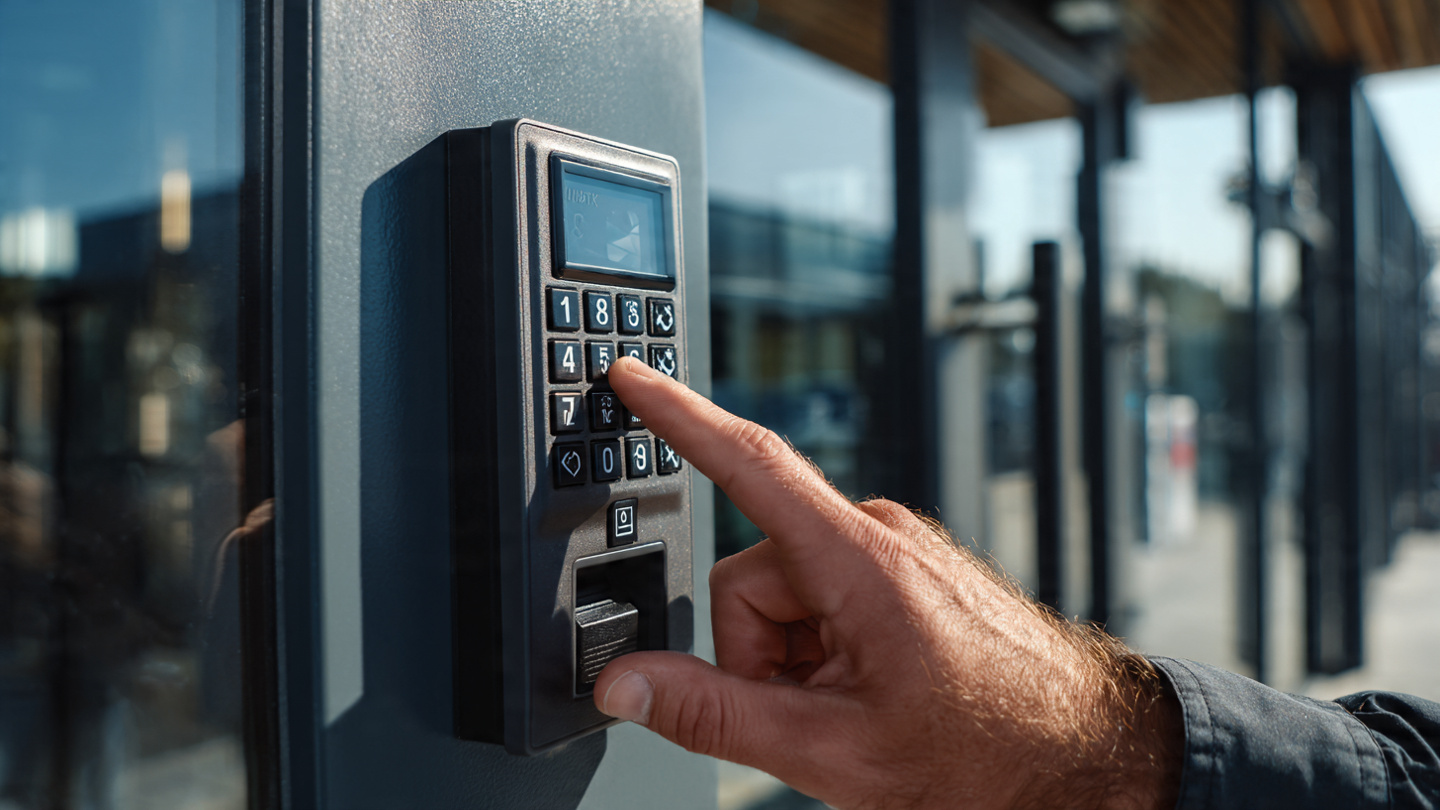
At their core, access control systems function by verifying the identity of individuals attempting to enter a secured area. This verification process can involve various methods, including keycards, biometric scans, or even mobile applications. The system then grants or denies access based on pre-defined permissions. As security needs have become more complex, so too have access control systems, which now offer features such as remote monitoring, real-time alerts, and detailed access logs. This evolution reflects the growing importance of security in both residential and commercial settings.
Access control systems are essential for enhancing security in various environments, and understanding their integration with alarm systems can provide a comprehensive approach to safety. For those interested in learning more about how alarm systems function and their importance in security setups, a related article can be found at What is a Back to Base Alarm? A Complete Guide. This resource offers valuable insights into alarm systems, which can complement access control measures for a more robust security solution.
Types of Access Control Systems

Access control systems can be broadly categorized into three main types: discretionary access control (DAC), mandatory access control (MAC), and role-based access control (RBAC). Each type serves different purposes and is suited for various environments. Discretionary access control allows the owner of a resource to determine who can access it, making it flexible but potentially less secure. This system is often used in smaller organizations where trust levels are higher.
Mandatory access control, on the other hand, is more rigid and is typically employed in environments where security is paramount, such as government facilities or military installations. In this system, access rights are assigned based on regulations and policies rather than individual discretion. Role-based access control is a hybrid approach that assigns permissions based on the roles of users within an organization. This method streamlines the management of access rights and is particularly effective in larger organizations with diverse job functions.
Benefits of Access Control Systems
The implementation of access control systems offers numerous benefits that extend beyond mere security. One of the most significant advantages is the enhanced safety they provide. By restricting access to sensitive areas, organizations can protect valuable assets and sensitive information from theft or damage. This is particularly important in industries such as healthcare, finance, and technology, where data breaches can have severe consequences.
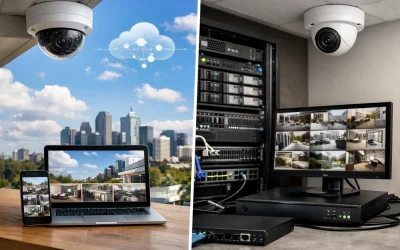
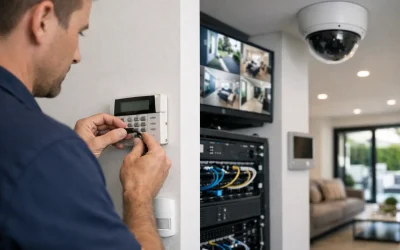
In addition to improving security, access control systems also contribute to operational efficiency. With automated systems in place, organizations can reduce the time and resources spent on manual security measures. For instance, electronic keycards eliminate the need for physical keys, which can be easily lost or duplicated. Furthermore, many modern access control systems offer integration with other security measures, such as surveillance cameras and alarm systems, creating a comprehensive security solution that enhances overall safety.
Key Features to Look for in Access Control Systems

When selecting an access control system, it is essential to consider several key features that can significantly impact its effectiveness. One critical feature is scalability; as organizations grow, their security needs may change. A scalable system allows for easy expansion and adaptation without requiring a complete overhaul. Additionally, user-friendliness is vital; a system that is difficult to navigate can lead to frustration among employees and may result in security breaches.
Another important feature is the ability to generate detailed reports and logs of access events. This functionality not only aids in monitoring who accessed specific areas but also assists in identifying potential security threats or breaches. Furthermore, consider systems that offer remote management capabilities, allowing administrators to monitor and control access from anywhere at any time. This flexibility is particularly beneficial for businesses with multiple locations or those that require constant oversight.
An effective access control system is crucial for enhancing the security of any property, and understanding how to position your home security cameras can significantly improve your overall safety measures. For insights on optimal camera placement and strategies to maximize surveillance effectiveness, you can refer to this informative article on positioning home security cameras. By integrating both access control systems and well-placed cameras, you can create a comprehensive security solution that deters potential intruders and protects your assets.
Implementing Access Control Systems in Different Environments
The implementation of access control systems varies significantly depending on the environment in which they are deployed. In commercial settings, such as offices or retail spaces, the focus may be on managing employee access while also ensuring customer safety. Here, a combination of keycard entry systems and surveillance cameras can create a secure yet welcoming atmosphere. It is crucial to assess the specific needs of the business and tailor the system accordingly.
In contrast, residential environments may prioritize family safety and privacy. Homeowners might opt for smart locks that can be controlled via mobile devices or biometric systems that recognize family members’ fingerprints. The integration of home automation features can further enhance security by allowing homeowners to monitor their property remotely and receive alerts about any suspicious activity. Regardless of the environment, a thorough assessment of security needs is essential for effective implementation.
Integration of Access Control Systems with Other Security Measures

The integration of access control systems with other security measures creates a multi-layered approach to safety that significantly enhances overall protection. For instance, combining access control with video surveillance allows for real-time monitoring of entry points and provides visual evidence in case of an incident. This synergy not only deters potential intruders but also aids law enforcement in investigations.
Moreover, integrating access control with alarm systems can provide immediate alerts when unauthorized access attempts occur. This proactive approach ensures that security personnel can respond swiftly to potential threats. Additionally, many modern access control systems offer compatibility with other technologies such as fire alarms and environmental sensors, creating a comprehensive safety net that addresses various risks.
Best Practices for Maintaining Access Control Systems
To ensure the longevity and effectiveness of access control systems, regular maintenance is essential. One best practice is to conduct routine audits of user permissions to ensure that only authorized individuals have access to sensitive areas. This process helps identify any discrepancies or outdated permissions that could pose security risks. Additionally, keeping software up-to-date is crucial; manufacturers often release updates that enhance security features and address vulnerabilities.
Another important aspect of maintenance is training staff on proper usage and protocols associated with the access control system. Employees should be aware of how to use their access cards or biometric scanners correctly and understand the importance of reporting any suspicious activity immediately. By fostering a culture of security awareness within the organization, businesses can significantly reduce the likelihood of breaches caused by human error.
Future Trends in Access Control Systems

As technology continues to advance at a rapid pace, the future of access control systems looks promising. One emerging trend is the increased use of biometric authentication methods, such as facial recognition and iris scanning. These technologies offer enhanced security by providing unique identifiers that are difficult to replicate or forge. As these methods become more affordable and accessible, we can expect their widespread adoption across various sectors.
Another trend is the integration of artificial intelligence (AI) into access control systems. AI can analyze patterns in access data to identify potential threats or anomalies in real-time, allowing for quicker responses to security incidents. Additionally, cloud-based solutions are gaining popularity due to their scalability and ease of management. These innovations will undoubtedly shape the future landscape of access control systems, making them more efficient and effective in safeguarding our environments.
In conclusion, understanding access control systems is vital for anyone looking to enhance their security measures. With various types available and numerous benefits to consider, it’s essential to choose a system that meets specific needs while incorporating key features for optimal performance. As technology continues to evolve, staying informed about best practices and future trends will ensure that both residential and commercial spaces remain secure against potential threats.