


Ensuring Effective Security System Maintenance
Regular maintenance of security systems is crucial for ensuring their effectiveness and longevity. Just like any other technological system, security equipment requires consistent care to function optimally. Neglecting maintenance can lead to vulnerabilities that may compromise the safety of your premises. A well-maintained security system not only protects your assets but also provides peace of mind to employees and customers alike. When security systems are regularly serviced, they are more likely to perform reliably during critical moments, such as a break-in or emergency situation.
Moreover, regular maintenance can help identify potential issues before they escalate into significant problems. For instance, a malfunctioning camera or a faulty alarm system can go unnoticed without routine checks, leaving your property exposed to risks. By investing in regular maintenance, you can ensure that all components of your security system are functioning correctly, thus minimizing the chances of a security breach. This proactive approach not only saves money in the long run but also enhances the overall security posture of your home or business.
Maintaining a security system is crucial for ensuring the safety and protection of your home or business. Regular maintenance checks can help identify potential vulnerabilities and keep your system functioning optimally. For more insights on this topic, you can refer to a related article that discusses various aspects of residential security systems and their upkeep. To learn more, visit this article on residential security systems.
Common Security System Issues
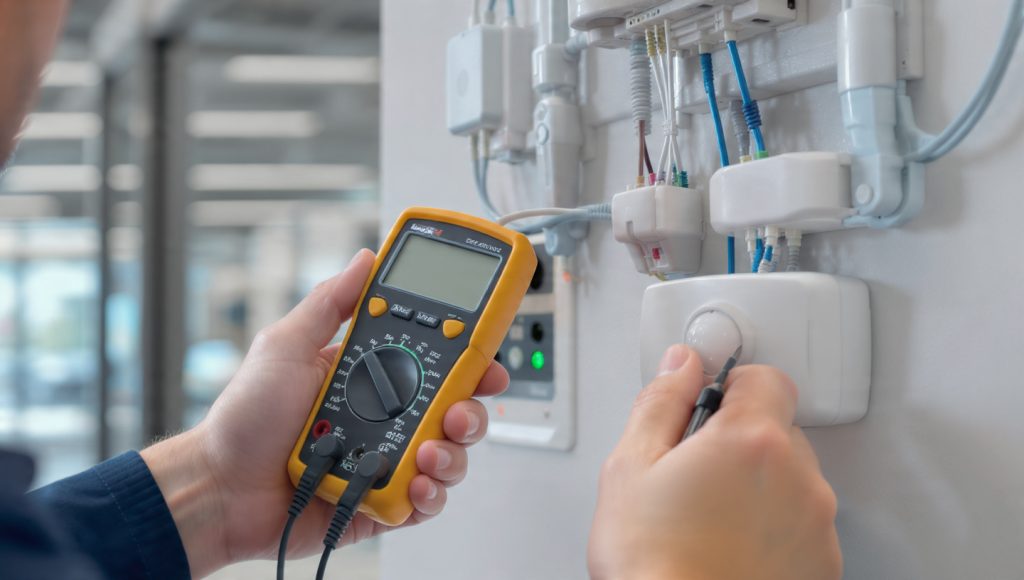
Security systems, while designed to protect, can encounter various issues that may hinder their performance. One common problem is equipment failure, which can occur due to wear and tear over time. For example, cameras may become less effective due to dirt accumulation on lenses or internal malfunctions that affect image quality. Similarly, alarm systems may fail to trigger due to battery depletion or wiring issues. These failures can leave properties vulnerable and highlight the importance of regular inspections and maintenance.
Another prevalent issue is software glitches or outdated firmware. Many modern security systems rely on software to operate effectively, and if this software is not updated regularly, it can lead to vulnerabilities that hackers may exploit. Additionally, user error can also contribute to security system issues. Staff members may not be adequately trained on how to operate the system, leading to incorrect usage that could compromise security measures. Addressing these common issues through regular maintenance and training is essential for maintaining a robust security infrastructure.
Components of a Security System
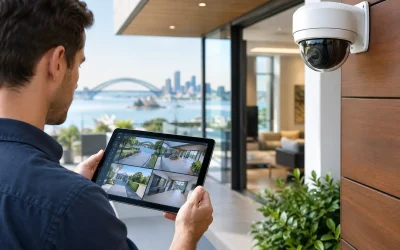
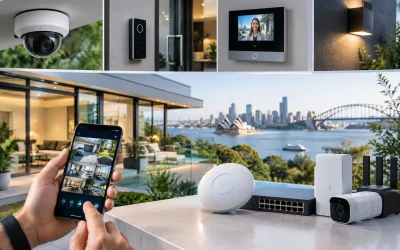
A comprehensive security system typically consists of several key components that work together to provide effective protection. These components include surveillance cameras, alarm systems, access control systems, and monitoring services. Surveillance cameras are essential for visual monitoring and can deter criminal activity when prominently displayed. They come in various types, including dome cameras, bullet cameras, and PTZ (pan-tilt-zoom) cameras, each serving different purposes based on the environment.
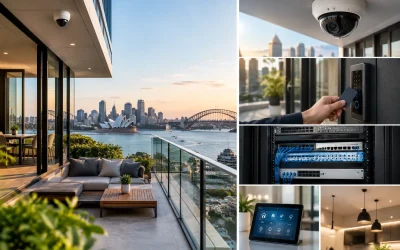
Alarm systems are another critical element of security systems. They can be triggered by unauthorized access, motion detection, or environmental factors such as smoke or flooding. Access control systems further enhance security by regulating who can enter specific areas within a property. These systems often utilize key cards, biometric scanners, or keypad entry methods to ensure that only authorized personnel gain access. Together, these components create a multi-layered approach to security that is essential for both residential and commercial properties.
Best Practices for Security System Maintenance
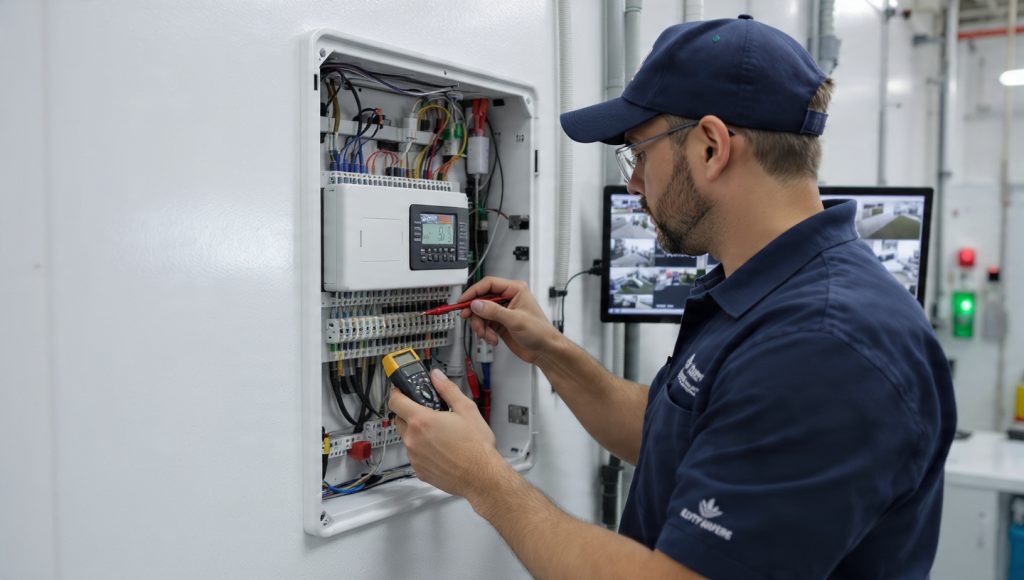
To ensure the longevity and effectiveness of your security system, it is essential to follow best practices for maintenance. One of the most important practices is to schedule regular inspections with a qualified technician who can assess the condition of all components. During these inspections, technicians can identify any potential issues and perform necessary repairs or replacements before they become critical problems. Additionally, keeping a detailed maintenance log can help track service history and identify patterns that may require attention.
Another best practice is to clean and test all equipment regularly. For instance, surveillance cameras should be cleaned periodically to remove dust and debris that could obstruct the view. Alarm systems should be tested frequently to ensure they are functioning correctly and that all sensors are operational. Furthermore, it is advisable to review and update your security protocols regularly to adapt to any changes in your environment or potential threats. By implementing these best practices, you can maintain a robust security system that effectively protects your property.
Proper security system maintenance is essential for ensuring the effectiveness of your surveillance setup. Regular checks and updates can help prevent potential vulnerabilities that may compromise your safety. For instance, understanding the legal implications of your security cameras can be crucial, especially if they might inadvertently capture areas outside your property. You can read more about this topic in the article on whether a neighbor’s CCTV camera can point at your backyard by following this link. Staying informed will help you navigate the complexities of security systems while maintaining your privacy.
Choosing a Qualified Maintenance Provider
Selecting a qualified maintenance provider is crucial for ensuring that your security system receives the best care possible. When evaluating potential providers, consider their experience and expertise in the field of security systems. Look for companies with a proven track record of servicing similar systems and positive customer reviews. Additionally, ensure that the provider is licensed and insured, as this demonstrates their commitment to professionalism and accountability.
It is also beneficial to choose a provider that offers comprehensive services, including installation, maintenance, and emergency support. This ensures that you have a single point of contact for all your security needs, simplifying communication and coordination. Furthermore, inquire about their response times for service requests and their availability for emergency situations. A reliable maintenance provider should be able to address issues promptly to minimize any potential risks associated with system failures.
Conducting Regular Inspections
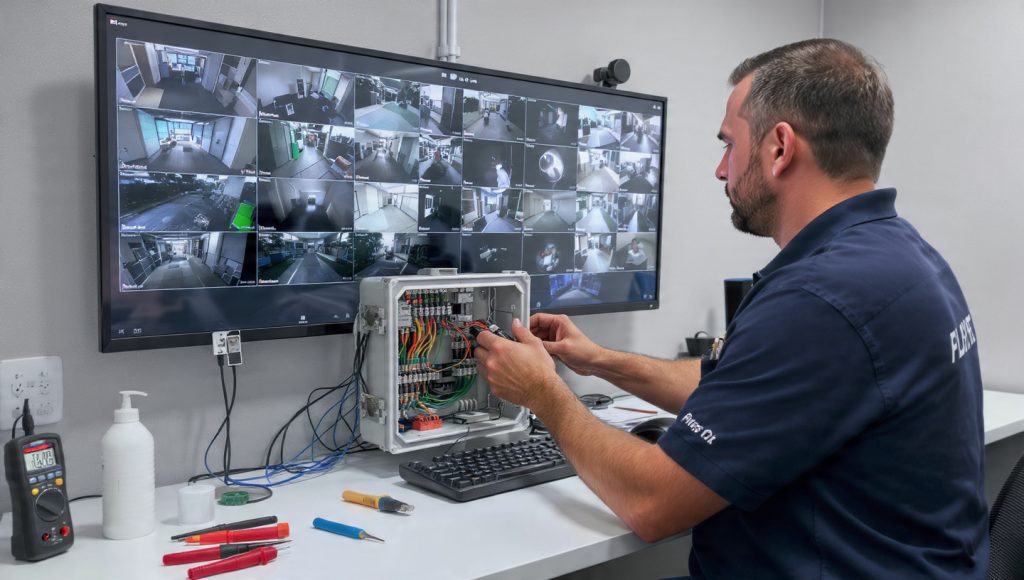
Conducting regular inspections is a fundamental aspect of maintaining an effective security system. These inspections should be performed at least once or twice a year, depending on the complexity of the system and the level of risk associated with the property. During an inspection, trained technicians will evaluate each component of the system for functionality and performance. This includes checking camera angles, testing alarm sensors, and ensuring that access control systems are operating correctly.
In addition to identifying potential issues, regular inspections provide an opportunity to assess the overall effectiveness of your security measures. Technicians can offer recommendations for upgrades or enhancements based on current technology trends and emerging threats. For example, if new surveillance technology becomes available that offers better resolution or advanced analytics capabilities, an inspection may prompt you to consider an upgrade. By prioritizing regular inspections, you can stay ahead of potential vulnerabilities and ensure that your security system remains robust.
Updating Security System Software and Firmware
In today’s digital age, keeping your security system’s software and firmware up-to-date is essential for maintaining its effectiveness against evolving threats. Many modern security systems rely on software for functionality, including video analytics, remote access capabilities, and integration with other smart devices. Outdated software can leave your system vulnerable to cyberattacks or malfunctions that could compromise its performance.
Regularly updating software and firmware not only enhances security but also improves system performance by introducing new features and bug fixes. Most manufacturers provide updates periodically; therefore, it is crucial to stay informed about these updates and implement them promptly. Additionally, consider setting up automatic updates if available; this ensures that your system remains current without requiring manual intervention. By prioritizing software updates as part of your maintenance routine, you can significantly enhance the resilience of your security infrastructure.
Training Staff on Security System Operation and Maintenance
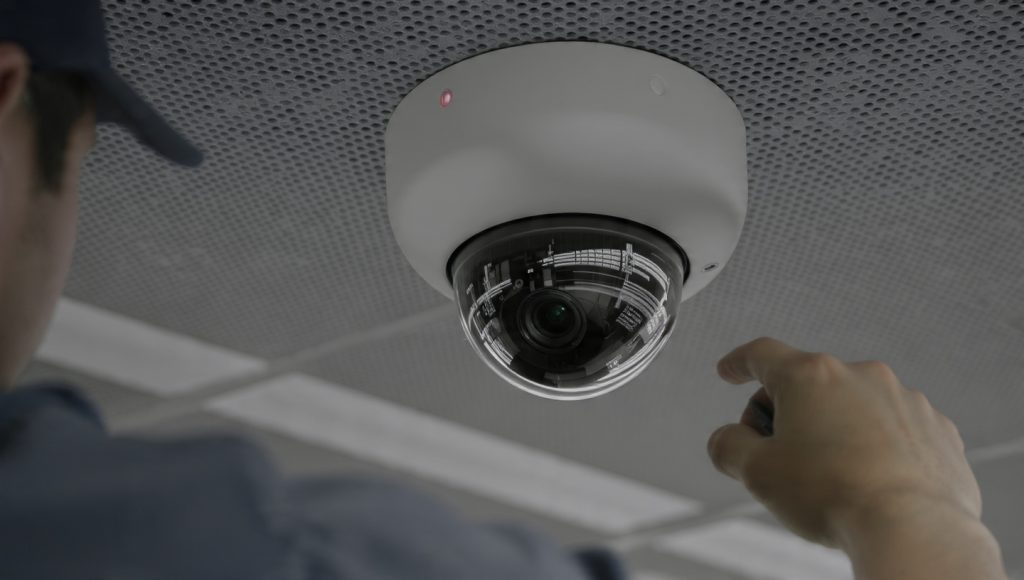
Training staff on the operation and maintenance of security systems is vital for maximizing their effectiveness. Employees should be well-versed in how to use the system properly, including how to arm and disarm alarms, monitor camera feeds, and respond to alerts. Providing comprehensive training ensures that staff members are confident in their ability to operate the system effectively and respond appropriately in case of an emergency.
Moreover, ongoing training sessions should be conducted regularly to keep staff updated on any changes or upgrades made to the system. This not only reinforces their knowledge but also fosters a culture of security awareness within the organization. Encouraging staff members to report any issues they encounter with the system can also contribute to its overall maintenance by ensuring that problems are addressed promptly. By investing in staff training, you empower your team to take an active role in maintaining a secure environment for everyone involved.
In conclusion, maintaining a robust security system requires a multifaceted approach that includes regular maintenance, inspections, software updates, and staff training. By prioritizing these elements, property owners can significantly enhance their security posture while minimizing vulnerabilities that could lead to breaches or incidents. Whether you are managing a large business or securing your home, understanding the importance of these practices will help you create a safer environment for all stakeholders involved.