


A smart home should save time, improve security and make daily routines easier. Too often, smart home automation Sydney projects end up as a pile of apps, patchy Wi-Fi, unreliable devices and shortcuts that look fine on handover day but become frustrating within months.
The difference is not the brand of light switch or whether a doorbell has the latest feature. It is the system design underneath. In a well-planned home, automation, security, networking, intercoms, access control and remote access all work together as one stable environment. That matters far more than adding a few disconnected gadgets.
What smart home automation should actually do
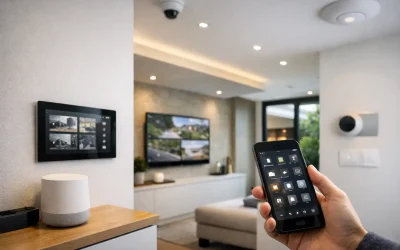
For most homeowners, the goal is not technology for its own sake. It is practical control over lighting, climate, entry, cameras, alarms and day-to-day routines. You might want lights to respond intelligently at night, the garage and front gate to be managed securely, or a simple way to check cameras and arm the alarm when leaving the house.
In higher-end homes and renovations, the brief often goes further. Clients want a system that feels polished, works consistently for the whole household and does not require constant troubleshooting. They also want it to suit the way they live, whether that means Apple Home integration, a professionally configured Home Assistant setup, retrofit upgrades in an existing property, or a broader technology plan that includes Wi-Fi, CCTV and intercoms.
Why networking is the foundation of smart home automation Sydney projects
Most automation problems are not really automation problems. They are network problems. If Wi-Fi coverage is poor, if devices are scattered across consumer-grade hardware, or if remote access has been set up carelessly, the whole experience suffers.
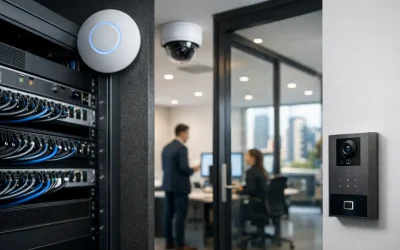
That is why proper smart home automation Sydney work starts with infrastructure. Reliable switching, commercial-grade wireless access points, neat rack organisation, secure remote access and sensible device segmentation make a major difference to stability and security. The cameras load faster, mobile control is more responsive, and automations are less likely to fail at the exact moment you need them.
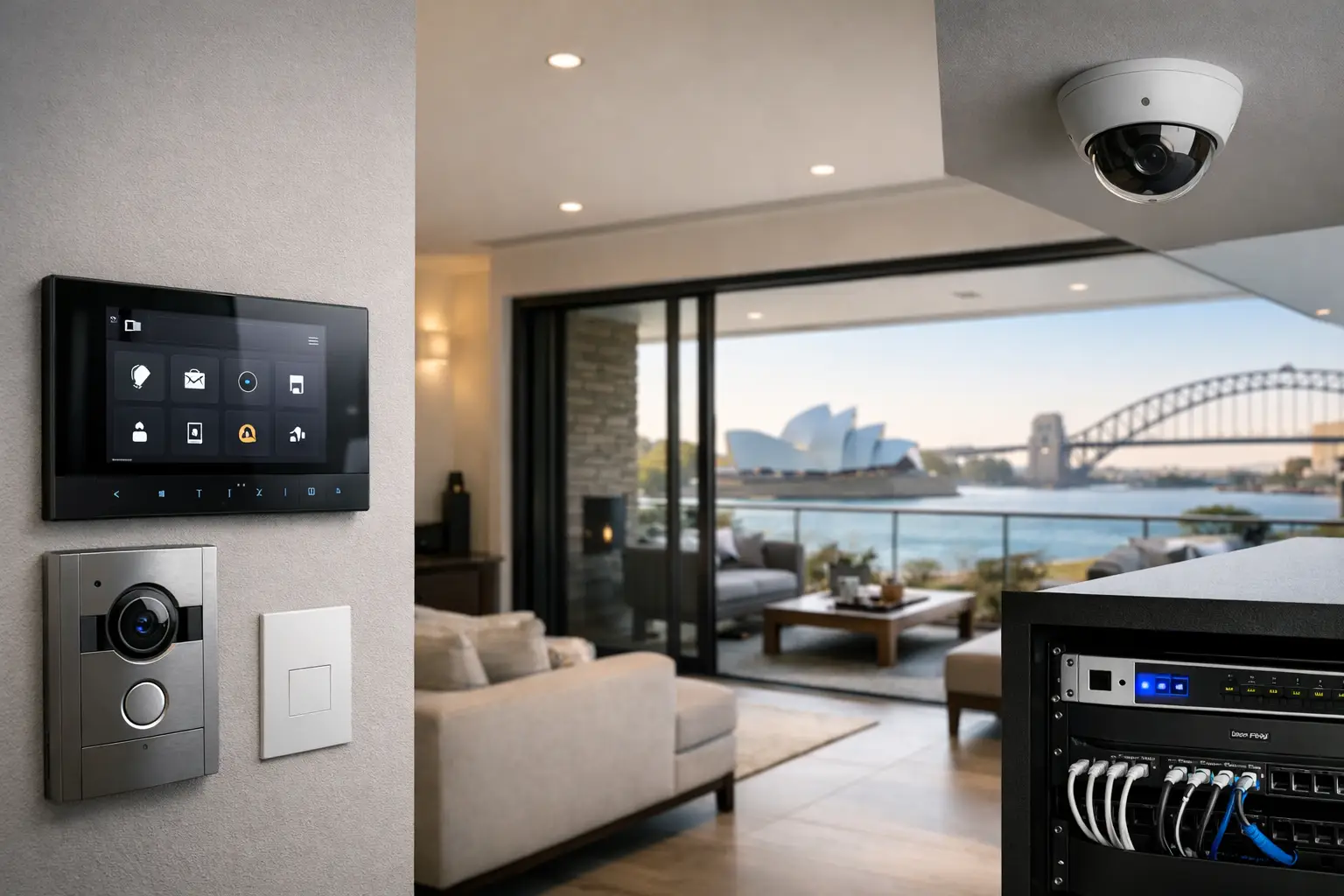
This is especially important in larger homes, concrete builds, multi-level properties and renovations where new and existing systems need to coexist. It also matters in homes with CCTV, video intercoms, alarm monitoring and smart entry, where network demand and security requirements are higher than a basic consumer setup can comfortably handle.
Integration beats a house full of apps
A common mistake is choosing every device in isolation. One app for lights, another for cameras, another for the alarm, another for the front gate, and something else again for the garage, air conditioning and intercom. It works on paper, but not as a daily experience.
Professional integration brings these systems into a more usable structure. That might mean centralising control through Apple Home for the household, using Home Assistant where deeper logic and flexibility are needed, or combining security and access systems so events can trigger meaningful actions. For example, arriving home can disarm selected areas, open the gate, bring on pathway lighting and notify you if a parcel has been left at the front door.
The key is restraint. Not every function should be automated, and not every room needs a scene controller. Good design focuses on the routines that genuinely improve convenience, efficiency and safety.
Retrofit matters more than most people realise
Many Sydney homes are not blank-slate new builds. They are established properties being upgraded in stages. That changes the design approach.
Retrofit automation needs careful product selection, clean workmanship and realistic planning around access, finishes and existing electrical infrastructure. Wireless and hybrid solutions can be excellent when chosen properly, but they still need to sit on a well-designed network and be integrated with the wider security and entry systems. The aim is to improve the home without turning the project into a major rebuild.
This is where experienced integrators stand apart from generic installers. They think about cabinet space, cable pathways, serviceability, future additions and how the system will be supported after installation, not just how to get devices online quickly.
Security and automation should be designed together
Smart homes are often discussed as lifestyle upgrades, but in practice the strongest results come when automation and security are planned as one system. CCTV, alarms, access control, intercoms, smart locks, gates and remote notifications all become more useful when they are coordinated.
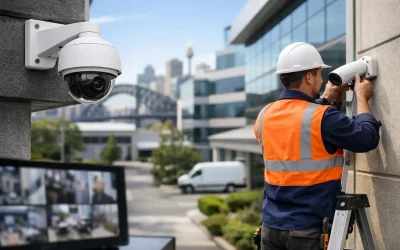
That could mean setting exterior lighting to respond to alarm events, checking cameras from the same control environment used for entry and automation, or managing secure access for family, staff or contractors without compromising the rest of the property. In commercial and mixed-use environments, the same principle applies at a larger scale, with integrated surveillance, smart entry, alarms and networking forming the backbone of day-to-day operations.
Done properly, this creates a system that is easier to use and easier to support. It also reduces the risk of weak points caused by piecemeal additions over time.
What to look for in a professional integrator
If you are planning a new build, renovation or technology upgrade, ask how the system will behave in three years, not just on installation day. A good integrator should be able to explain the network design, the control platform, the approach to remote access, how security systems will interact, and what support looks like after handover.
They should also be comfortable advising against unnecessary complexity. Premium smart-home work is not about adding more devices. It is about building a reliable, secure and well-finished environment that suits the property and the people using it.
For Sydney homeowners and project teams, that is usually the difference between a smart home that feels impressive for a weekend and one that still works properly every day. Alpha Security Corp approaches smart home projects with that longer view in mind – integrated systems, dependable infrastructure and technology that remains usable well after the excitement of installation has passed.