


A front door forced open at 2 am gives you only a few seconds to respond. That is why the real value of a home security system is not just the siren on the wall. It is the way each part works together. If you have ever asked how do home security systems work, the short answer is this: they detect activity, verify what is happening, alert the right people, and help you act quickly whether you are home or away.
The better answer is a little more detailed, because modern systems do far more than trigger noise. A professionally designed setup can combine intrusion detection, CCTV, intercoms, locks, lighting, remote access and mobile notifications into one reliable platform. When it is done properly, security becomes easier to use, not harder.
How do home security systems work in practice?
At the core, a home security system is a network of devices connected to a control platform. That platform receives information from sensors placed around the property, decides whether an event matches alarm rules, and then triggers a response. That response might be a siren, a push notification, a call from a monitoring centre, a video recording, or all of the above.
Most systems start with perimeter and internal protection. Door contacts detect when an entry point opens. Motion sensors watch key areas inside the home. Glass-break detectors listen for the sound profile of smashed windows. If one of those devices is armed and activated, the system registers an alarm event.
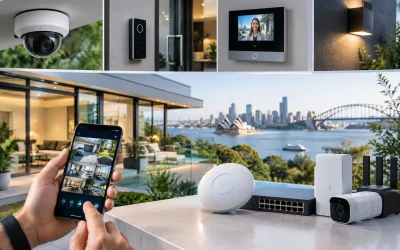
From there, the control panel or smart hub becomes the brain of the system. It manages zones, user permissions, schedules and alarm logic. In a simpler setup, that may only mean turning the alarm on and off. In a more integrated home, it can also trigger cameras to bookmark footage, switch on external lighting, lock selected doors, or send an alert to multiple family members.
The main parts of a modern system
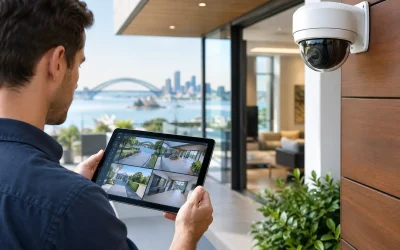
Sensors do the detecting, but they are only one layer. Cameras add visual verification, which matters because not every alert is equal. A hallway motion event during the day may be expected. The same event at night while the system is armed away is a different story. Video gives context and helps avoid guesswork.
Sirens are still important. An internal siren creates urgency inside the home, while an external siren can draw attention and discourage an intruder from staying on site. Even so, a siren alone is not a complete strategy. If nobody hears it, or if the property is vacant, you still need notifications, recorded footage and a dependable path for escalation.
That communication path usually relies on your network, a mobile connection, or both. Many professionally installed systems use dual-path communication so that if one connection drops, another remains available. This is one of the clearer differences between a basic setup and a system designed for long-term reliability.
User control has also changed. Instead of relying only on a keypad near the entry, many households now use mobile apps, key fobs, scheduled arming and smart access credentials. Good system design makes this convenient without weakening security. For example, different users can be given different permissions rather than everyone sharing the same code.
What happens when an alarm is triggered?
When a system detects an event, it does not always go straight to full alarm. That depends on how it has been programmed. Some zones may allow entry delay, which gives the homeowner time to disarm after opening the front door. Others, such as a restricted window or detached garage, may trigger instantly.
If the system confirms an alarm condition, it can activate sirens, send push notifications, capture or flag video footage, and notify a monitoring service. In a monitored arrangement, trained operators follow a response process based on the event type, site instructions and available verification. That may include contacting the homeowner, checking live camera access where available, or escalating to emergency services if required.
This layered response matters because speed without context can create problems. Too many false alarms lead to complacency. Too little information leads to delay. The goal is a system that reacts quickly but intelligently.
Wired, wireless and hybrid setups
One of the most common questions behind how do home security systems work is whether they need to be wired. The answer depends on the property and the outcome you want.
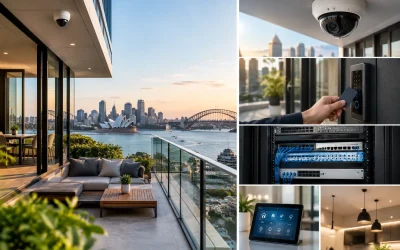
Wired systems are often preferred in new builds, major renovations and larger homes because they offer stable connectivity, clean power delivery and a tidy long-term result. They are especially useful when integrating alarms, CCTV, intercoms, access control and networking from the start.
Wireless systems have improved significantly and can work well in retrofit environments where cable access is limited. They reduce disruption and can be a practical choice for existing homes. The trade-off is that battery maintenance, signal strength and device placement need to be managed properly.
In many cases, the best answer is hybrid. A home may use wired cameras and networking infrastructure, with wireless sensors in hard-to-cable areas. That kind of mixed design often delivers the best balance of performance, flexibility and finish.
Why integration changes the experience
A standalone alarm can tell you that something happened. An integrated system can tell you what happened, where it happened, and let you respond from one interface. That distinction is significant.
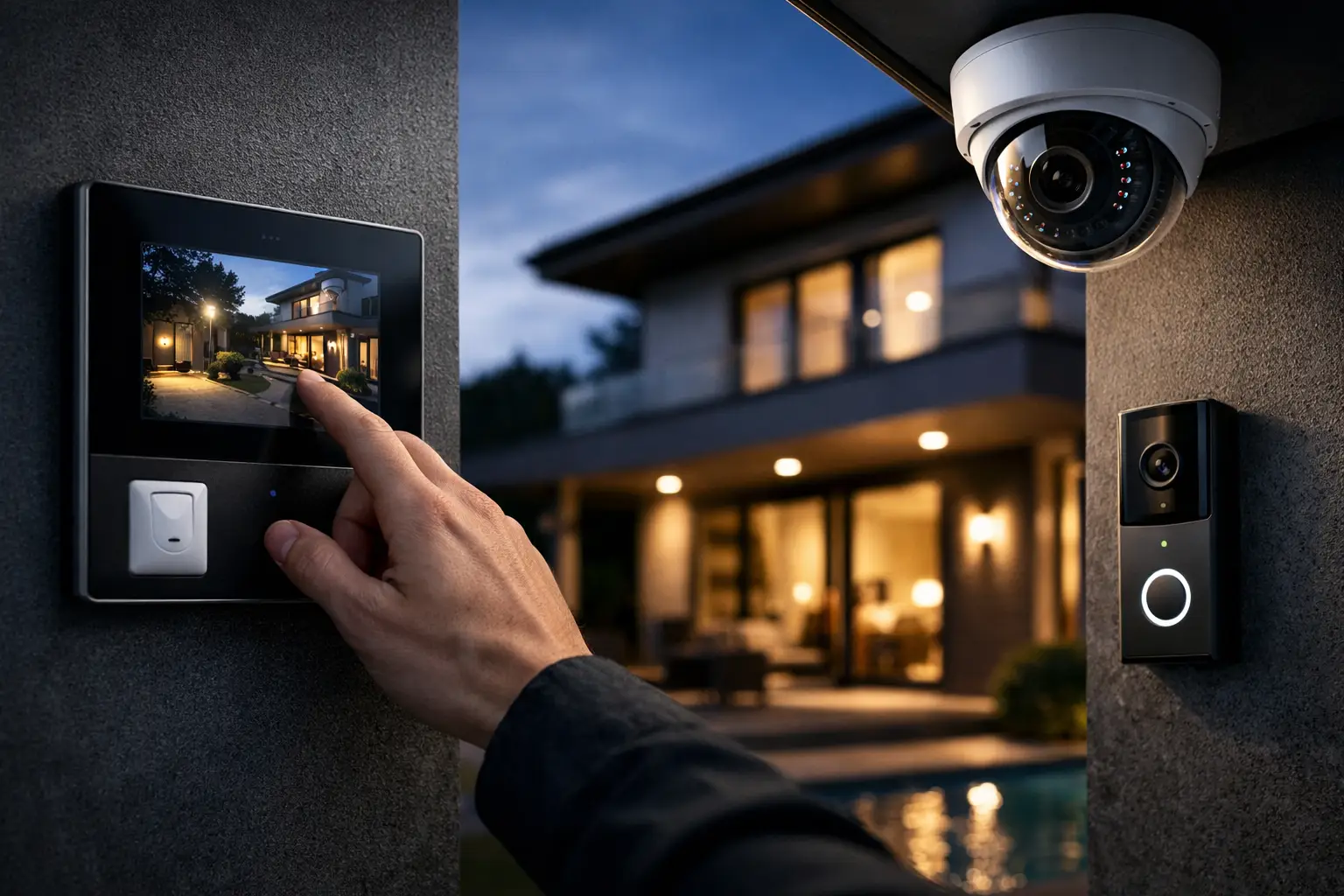
For example, if a side gate opens after hours, the system can trigger recording on nearby cameras, send an alert to your mobile, turn on pathway lighting and present the event in one app. If someone rings the front intercom while you are out, you can speak to them, view the camera feed and decide whether to grant access. If the internet drops, you may still receive alarm communication through a backup path.
This is where premium system design stands apart from piecemeal equipment. Integration is not about adding more devices for the sake of it. It is about making the system usable under pressure. When interfaces are fragmented, users ignore them. When the system is unified, people actually use it.
The role of monitoring and maintenance
Not every home needs 24/7 back-to-base monitoring, but many benefit from it. Homes that are vacant for long periods, high-value properties, or families that want an added layer of response often choose monitored protection. Others prefer self-monitoring with mobile alerts and camera verification. Neither approach is universally right. It depends on risk profile, occupancy patterns and how quickly someone can respond.
Maintenance is less visible but just as important. Sensors can drift out of alignment, batteries can age, network equipment can fail and camera views can change after building works or landscaping. A system that was excellent on install day still needs periodic attention to remain reliable.
Professional support matters here. The aim is not simply to install hardware, but to keep the whole system functioning as intended over time. That includes firmware updates, user changes, testing, fault diagnosis and adjustments as the property evolves.
Common misconceptions about home security
One misconception is that cameras alone are enough. Cameras are valuable, but they are largely reactive unless they are paired with proper detection, notifications and recording strategy. Another is that more devices automatically mean better protection. In practice, badly chosen or badly placed devices can increase nuisance alerts and make the system harder to manage.
There is also a tendency to treat security as separate from networking and smart-home infrastructure. In modern homes, that approach often causes avoidable problems. Cameras, intercoms, remote access and app control all depend on stable network performance. If the network is poorly planned, even quality security hardware can feel unreliable.
Choosing a system that actually suits the property
The right system starts with the property layout, entry points, lifestyle and risk exposure. A freestanding family home has different requirements from a penthouse, townhouse or large estate. Renovation timing matters too. If walls are open, it makes sense to plan cabling, device positions and future expansion properly rather than adding isolated components later.
For many homeowners, the best result comes from thinking beyond the alarm itself. Consider how security should work with gates, garage access, lighting, intercoms, mobile control and the home network. That broader view usually leads to a cleaner, more reliable system with fewer compromises.
A well-designed security system should feel calm in daily use and decisive when something goes wrong. If it is confusing, noisy or inconsistent, people stop trusting it. If it is thoughtfully integrated, it becomes part of how the home operates – quietly, reliably and with far less friction.
If you are weighing up options, the useful question is not just what devices you need. It is how you want the home to respond when no one is watching, and whether the system has been designed to do that properly.