


An alarm is only as useful as the action that follows it. The best back to base monitoring does more than send a notification when a sensor activates. It connects a properly designed alarm system to trained operators, clear escalation procedures, dependable communications, and the right people who can respond when you cannot.
For a home, that may mean confidence while the property is empty or the family is asleep. For a business, strata site, warehouse, school, or healthcare facility, it means an after-hours event has a defined process rather than becoming an unanswered alert on someone’s phone. The difference is not simply the monitoring provider. It starts with how the alarm, communications, access, CCTV, and site procedures are designed to work together.
What Back to Base Monitoring Should Actually Deliver
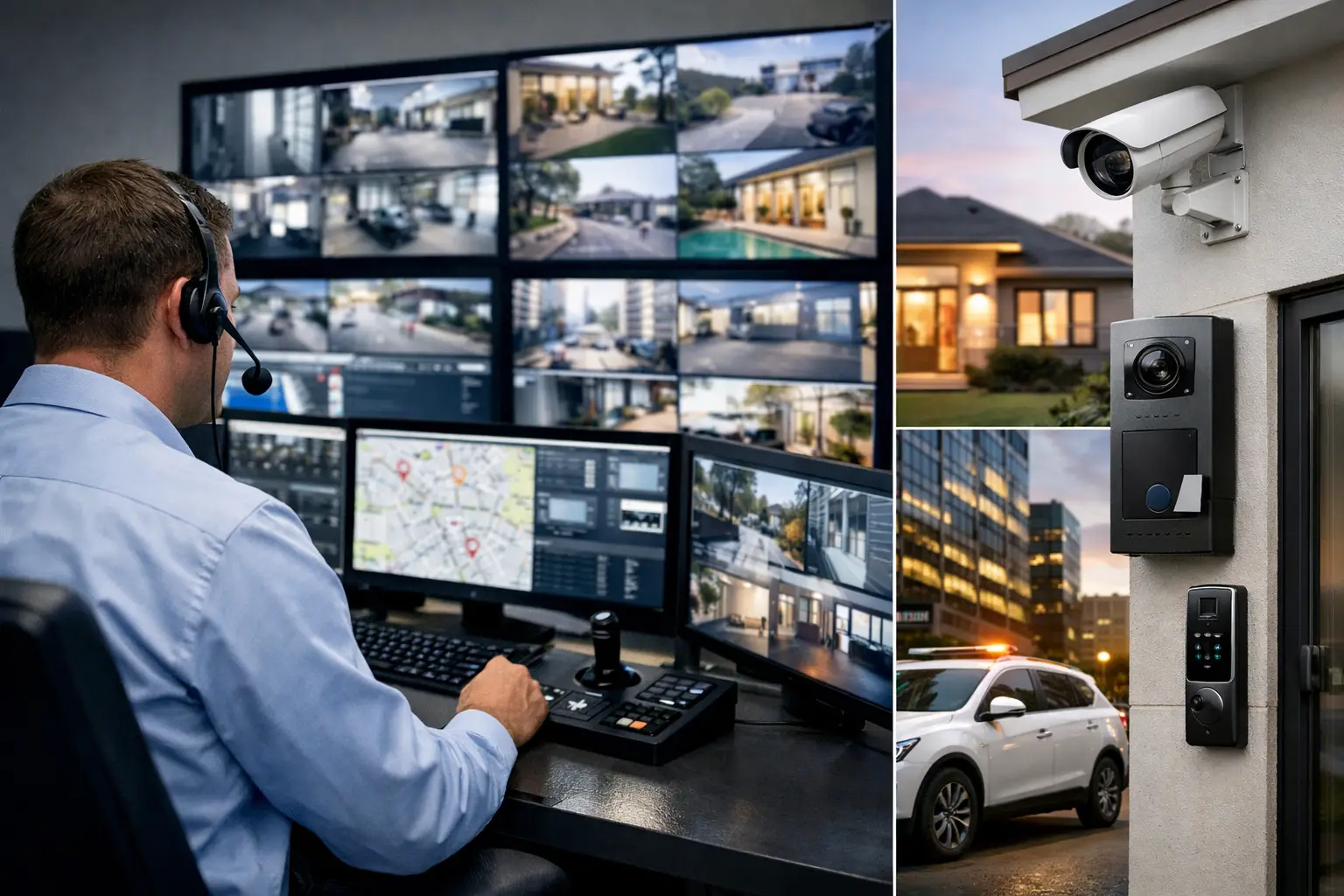
Back to base monitoring, often called central station monitoring, sends alarm events from your security system to a professional monitoring center. When an intrusion detector, panic button, smoke detector, duress device, or monitored system input activates, the center receives the signal and follows the response instructions established for that site.
That sounds straightforward, but the quality of the outcome depends on several connected decisions. Is the alarm panel professionally configured? Does it have a reliable primary and backup communication path? Are the contact lists current? Does the monitoring center know which events require immediate escalation and which may be handled as lower-priority service events?
A well-planned system avoids treating every signal the same way. A duress event at a commercial reception desk requires a different response path than a low battery signal. An after-hours access alarm may call for contact with a keyholder or patrol response, while a verified intrusion event may require a faster escalation process. The value comes from turning signals into practical, site-specific action.
The Best Back to Base Monitoring Starts With Alarm Design
Monitoring cannot fix blind spots, poorly placed detectors, unreliable power, or an alarm panel that is disconnected from the rest of the property. Before selecting a monitoring arrangement, the security design should reflect how the building is used and where its actual risks sit.
In a residence, this may include perimeter protection, selected internal detection, garage coverage, panic functions, and smoke alarm monitoring where appropriate. Larger homes may also need consideration for separate wings, guest areas, pool houses, detached garages, and smart-home behavior that changes when the property is armed.
Commercial properties need an equally deliberate approach. A retail store may prioritize entry points, stock rooms, and duress protection. An office may need zoning around server rooms, executive areas, and restricted access doors. Warehouses often require coverage for roller doors, loading areas, high-value storage, and multiple staff access points. The monitoring instructions should match these zones rather than relying on a generic call list.
This is where an integrated installer adds value. A Bosch alarm system, for example, can be configured around the site’s security zones and operational routines. Access control can provide context around who entered a building and when. CCTV from platforms such as Dahua or Hikvision may support incident review and operational visibility. UniFi networking and structured cabling provide the stable underlying infrastructure that connected security systems depend on.
Not every property needs every platform. The right design is the one that provides useful information, reliable operation, and a response process your team can maintain.
Communications Matter More Than Most People Expect
The alarm panel must be able to communicate during an event. A single communication path may be sufficient for some lower-risk sites, but it is not always the best fit for a property where interruption, downtime, or security exposure carries higher consequences.
Modern monitoring can use IP, cellular, or dual-path communications. Each option has trade-offs. IP signaling can be fast and dependable when the network is correctly designed, powered, and maintained. Cellular signaling provides independence from the fixed internet connection, although signal quality and equipment placement must be assessed. A dual-path setup combines two methods so that a failure in one path does not necessarily prevent alarm reporting.
For a premium home or a business with critical operations, the question is not simply whether the alarm can send a signal today. It is whether it can still communicate if the internet service is disrupted, a router fails, power is interrupted, or a cable is damaged.
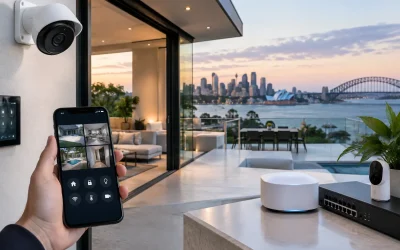
That is why security and networking should be planned together. A professionally installed UniFi network, correctly located communications equipment, backup power considerations, and structured cabling can all improve the reliability of the security platform. They also make diagnosis easier when a fault occurs.
Response Procedures Are the Real Test
A monitoring center needs accurate instructions before the first alarm event happens. These instructions should identify authorized contacts, escalation order, site address details, access information, special hazards, and any approved guard or patrol arrangements.
The best back to base monitoring service is not necessarily the one that promises the broadest response in marketing language. It is the one with procedures that are realistic for your site and consistently maintained. If a keyholder cannot attend after hours, that needs to be addressed before an alarm occurs. If a site has a caretaker, building manager, security officer, or on-call facilities team, the monitoring plan should reflect their availability and authority.
For many sites, a useful response plan addresses four distinct areas:
- Who should be contacted for intrusion, duress, fire, power, and system fault events.
- When emergency services or a patrol provider may be requested under the agreed procedure.
- How responders can safely access the property, including gates, intercoms, access credentials, and site-specific instructions.
- How false alarms, maintenance events, and changes to contact details are managed over time.
A response plan should also account for false alarms without becoming dismissive of genuine risks. Alarm verification, sensible zoning, quality detection devices, and good user training all reduce unnecessary activations. However, the objective is not to make a system so restrictive that it misses a meaningful event. The balance depends on the property, its occupants, and the consequences of a delayed response.
Integration Adds Context, Not Complexity
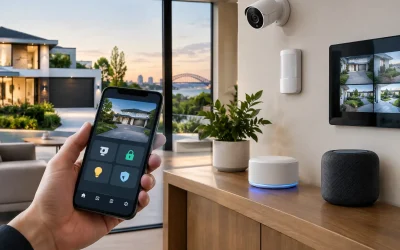
Connected systems are most valuable when they make daily operation simpler. An alarm can trigger monitoring while also interacting with selected building functions. In a residence, arming the system may turn off chosen lighting scenes, confirm doors are closed, or adjust automation states through Apple Home or Home Assistant. In a commercial site, access control events and alarm schedules can be coordinated so staff are not working around systems that conflict with their routines.
Care is needed here. Security-critical functions should remain dependable even if a smart-home controller, app, or optional automation service is unavailable. Automation should support the security design, not become a single point of failure.
The same principle applies to CCTV integration. Cameras can provide useful awareness and evidence, but they do not replace a properly monitored intrusion system. If video verification is part of the proposed workflow, establish exactly who views footage, under what circumstances, and what actions they are authorized to take. Clear boundaries are better than assumptions during a real event.
Questions to Ask Before You Commit
Before engaging a monitoring provider or approving an installation, ask how alarm signals are transmitted, what backup communications are available, and how path failures are reported. Confirm the monitoring center’s escalation process, the information they will hold for your site, and how you can update contacts after staff or family circumstances change.
It is also worth asking who owns and supports the installed equipment. A professionally designed system should be serviceable, documented, and ready to expand if the property changes. For new builds and major renovations, planning monitoring alongside electrical, cabling, access control, CCTV, and network infrastructure is far more efficient than adding it after walls and ceilings are finished.
Alpha Security Corp approaches monitoring as one part of a connected property system. The goal is not to add more devices. It is to create a reliable setup where the alarm is correctly installed, communications are protected, operating procedures are understood, and future upgrades remain practical.
The right monitoring arrangement should feel quiet when everything is normal and decisive when it is not. That is the standard worth designing for.