


A tenant standing at a locked lobby door with groceries should not need to call a building manager. At the same time, a delivery driver, former resident, or unknown visitor should not be able to move freely through the property. A well-designed apartment access control guide starts with that balance: convenient entry for authorized people, clear limits for everyone else, and reliable operation when the building is busy.
For apartment buildings, access control is not simply an electronic lock on the front door. It is a connected operating system for entrances, common areas, resident access, visitors, service providers, and management. The best result comes from planning doors, intercoms, cabling, networking, power, and policies as one system rather than adding disconnected products over time.
Start With the Building’s Access Plan
Before selecting readers or credentials, map how people actually move through the property. A small walk-up building has different risks and operational needs than a high-rise with parking, elevators, parcel rooms, amenities, and multiple tenancy types.
Begin at the perimeter. Identify every point where someone enters or exits: pedestrian gates, vehicle gates, lobby doors, garage doors, side entrances, loading areas, fire stairs, elevators, rooftop doors, and shared facilities. Then determine who needs access, when they need it, and whether their movement should be restricted or recorded.
Residents may require 24/7 access to the lobby, their floor, garage, and amenities. Building staff may need broader access during scheduled hours. Contractors may need temporary permissions that expire automatically. Visitors should be able to request entry through an intercom without receiving permanent credentials.
This process prevents a common problem: securing the front entrance while leaving a poorly monitored side gate, garage pedestrian door, or stairwell as the practical point of entry. Security is only as consistent as the least controlled route into the building.
Define access zones before choosing hardware
Most multifamily properties benefit from clear zones. The public edge includes a lobby intercom or controlled entry gate. Shared resident zones include garages, gyms, parcel rooms, storage areas, and elevators. Private zones include apartment doors and restricted service spaces such as electrical rooms, communications closets, and plant areas.
Not every door requires the same level of control. A package room may need credential access and event reporting. A mechanical room may need restricted access for a small group of staff and contractors. An apartment entry may be best served by a resident-controlled smart lock, particularly where the building does not need to centrally manage individual unit access.
The correct approach depends on management responsibilities, resident expectations, life-safety requirements, and the building’s existing door hardware. Applying one credential method to every opening can create unnecessary cost and a less practical user experience.
Choose Credentials That Work in Daily Use
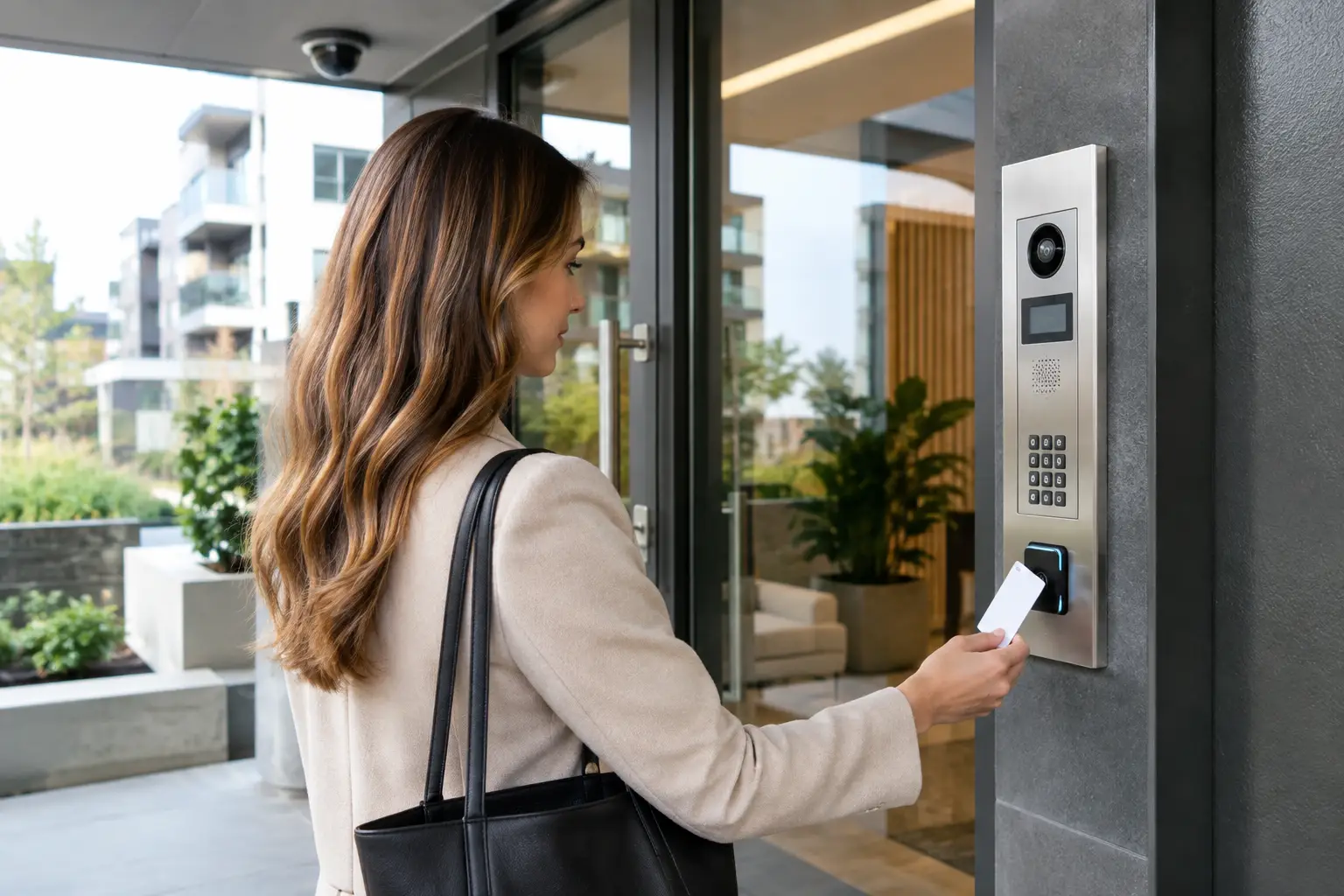
Credentials should be easy for residents to carry, difficult to copy, and simple for management to issue or revoke. Modern systems commonly support encrypted key fobs, mobile credentials, PINs, and video intercom calling. Many buildings use a combination rather than forcing every user into one method.
Encrypted fobs remain practical for residents, cleaners, and maintenance teams because they work quickly and do not depend on a phone battery or mobile signal. Mobile credentials are useful for residents who prefer phone-based entry and for temporary access where a credential can be issued, time-limited, and removed remotely. PINs can assist in selected applications but should not be the only protection for sensitive areas, since codes can be shared.
Avoid relying on legacy proximity cards where possible. Older formats can be copied more easily than modern encrypted credentials, making credential management harder to trust over the life of the building.
A professional setup should also make lost-device and move-out procedures straightforward. When a tenant leaves, management needs to remove access promptly across all relevant doors, not collect keys and hope duplicates were never made.
Design Entry Around the Door, Not Just the Reader
A reader is only one part of a controlled opening. Door construction, lock type, closer, hinges, exit hardware, cabling path, power supply, and fire compliance all affect reliability.
For example, an exterior glass door may require an electric strike or magnetic lock chosen specifically for the frame and existing latch arrangement. A high-traffic garage pedestrian door may need durable commercial-grade hardware and door-position monitoring. A door that does not close consistently will generate false alarms, leave security gaps, and frustrate residents regardless of how advanced the credential reader is.
Every controlled door should be assessed for four core functions: authorized entry, free and compliant exit, door status monitoring, and forced-door or held-open alerts where appropriate. Emergency egress must always be addressed first. Local codes, fire regulations, and the requirements of the authority having jurisdiction determine how locking hardware, emergency release, and access control interfaces must be installed.
Do not overlook power and backup operation
Access systems need planned power, not an outlet added as an afterthought. Controllers, readers, locks, intercoms, network switches, and door hardware may have different voltage and current requirements. Properly sized power supplies, protected cabling, battery backup, and monitored enclosures support stable operation and help identify faults early.
The building should also have a clear fail-safe or fail-secure strategy. A door that unlocks during a power failure may be appropriate for certain egress routes. A restricted room may need to remain secure. These decisions must be made door by door, with life safety taking priority over convenience.
Make the Intercom Part of the Access System
Video intercoms are often the resident’s main experience of building security. A properly specified system lets visitors call the correct apartment, allows residents to verify who is at the entrance, and provides a controlled way to grant access.
Platforms such as Akuvox can support video calling to indoor monitors and mobile devices, while also connecting with door controllers and credential readers. This is particularly useful for buildings where residents may be away from the apartment but still need to receive a visitor, caregiver, cleaner, or delivery.
Intercom design should account for visitor flow. A single panel at a busy lobby may be sufficient for a small building. Larger properties may need panels at vehicle gates, pedestrian entrances, loading areas, and secondary lobbies. Clear directory management, camera angle, lighting, and audio quality matter as much as the screen itself. A video call is of limited value if the caller is backlit, the camera cannot see the gate, or the audio is unusable in wind and traffic.
Connect Access Control With CCTV and Building Operations
Access events become more useful when they can be reviewed alongside video. If a door is forced open or propped open, building staff should be able to identify what occurred quickly rather than search through hours of footage.
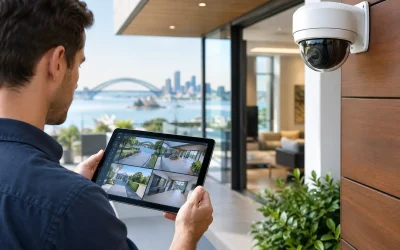
Integrating access control with professionally designed CCTV can associate door events with a nearby camera view. Cameras from platforms such as Dahua or Hikvision can cover entrances, lobbies, garages, and amenity areas, subject to a privacy-aware design and applicable regulations. The objective is not excessive surveillance. It is meaningful visibility at points where security decisions are made.
For larger properties, access control can also support operational accountability. Management can review access to plant rooms, cleaner cupboards, storage areas, or loading docks. Temporary permissions can be assigned to contractors, reducing the need for unmanaged master keys. This can be especially valuable where multiple vendors work on-site across different hours.
Build on Reliable Network and Cabling Infrastructure
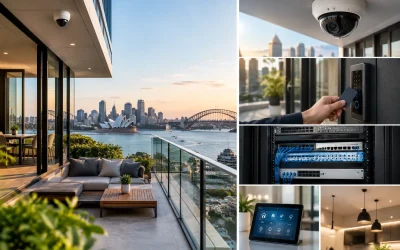
Cloud-managed access control and video intercoms depend on the network, but security devices should not compete with resident Wi-Fi. Structured cabling, dedicated switching, appropriate power-over-Ethernet capacity, secure network segmentation, and UPS backup are foundational design decisions.
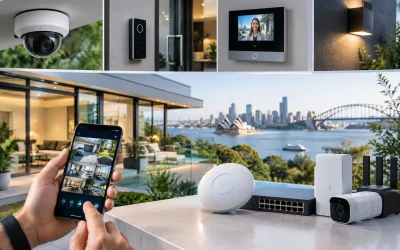
A UniFi network, for example, can provide centralized visibility across switching, wireless, and connected security devices when configured as part of a broader property network plan. The point is not to choose a platform because it is familiar. It is to ensure that the network can support access events, intercom calls, video traffic, remote administration, and future expansion without creating a single point of failure.
Cybersecurity also belongs in the conversation. Use unique administrator accounts, role-based permissions, firmware management, encrypted remote access, and a defined process for offboarding staff or contractors. A physical access system with poorly protected administrator credentials creates a different kind of vulnerability.
Plan for Management, Not Just Installation
An apartment access control system succeeds when the building team can manage it confidently after handover. That means documented doors and permissions, named administrators, training for common tasks, and a clear support path for faults or changes.
Commissioning should test every credential type, intercom call path, unlock command, door contact, emergency release, and backup-power behavior. It should also verify that access groups match the building’s policies. A garage credential should not unintentionally grant access to a restricted plant room simply because the initial setup was rushed.
For existing buildings, a staged upgrade is often the least disruptive path. Start with the most exposed entrances and aging intercom equipment, then expand to garages, amenities, and back-of-house areas. New builds offer more freedom to coordinate conduits, power, network cabinets, and door hardware early, which usually produces a cleaner and more serviceable result.
A good apartment access system should fade into the background for residents while giving managers control when it matters. The right design is not the one with the longest feature list. It is the one that makes every door, visitor interaction, network connection, and operational process work together reliably for years.