


A CCTV system can appear healthy while failing at the moment it is needed. A camera may display live video but record at the wrong resolution, overwrite footage too soon, lose time synchronization, or develop a partially blocked view. The right CCTV maintenance frequency is what turns an installed camera system into a reliable security asset rather than a collection of devices that has not been checked since handover.
For most professionally installed systems, maintenance is not a single annual task. It is a combination of routine health checks, scheduled physical inspections, and prompt attention when the site, network, or security risk changes. The right schedule depends on the property, the cameras’ environment, retention requirements, and how critical footage is to operations.
How Often Should CCTV Maintenance Be Performed?
As a practical baseline, CCTV systems should receive a remote or operational check every month, a detailed on-site inspection every three to six months, and a more comprehensive review at least annually. Higher-risk commercial sites, strata buildings, warehouses, healthcare facilities, and properties with active incidents may need more frequent checks.
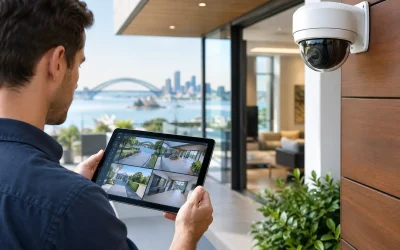
A monthly review is usually focused on system health. It confirms cameras are online, recording is continuous, storage is functioning as expected, and the correct date and time appear on exported footage. This can often be handled remotely on systems with properly configured network video recorders, cloud management, or secure remote access.
A quarterly or six-monthly visit addresses conditions that remote monitoring cannot reveal. Lenses collect dust, spider webs form around infrared illuminators, landscaping grows into fields of view, and outdoor camera housings can shift after weather events. A technician can also confirm that doors, gates, loading areas, corridors, and perimeter lines remain covered as the site evolves.
An annual service should go further. This is the right time to test recording retrieval, review retention periods, inspect cabling and power supplies, assess firmware and cybersecurity updates, and determine whether camera placement still supports the property’s current security plan.
High-risk and operational sites need closer attention
A retail site handling cash, a warehouse with vehicle movements, or a commercial building relying on CCTV for incident investigation should not wait for an annual visit to discover a recording fault. Weekly automated health alerts and monthly footage spot checks are sensible in these environments.
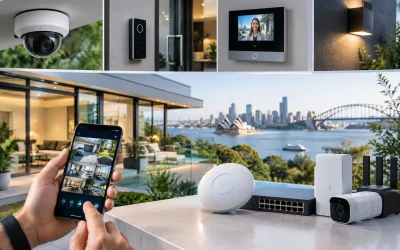
The same applies where CCTV is integrated with access control, alarms, intercoms, or monitoring. If an access event is meant to call up a camera view, the integration should be tested regularly. A camera system designed to work as one with the wider security platform requires maintenance across the full workflow, not just at the camera.
A Practical CCTV Maintenance Frequency Schedule
Monthly: Confirm the system is recording what matters
The monthly check should verify that every camera is online and recording, with no gaps, error messages, or unexpected offline periods. Review a sample of footage from different times of day, particularly overnight footage from cameras using infrared illumination or low-light settings.
Check available storage and confirm the intended retention period is still being achieved. Storage requirements can change quietly when additional cameras are installed, resolution is increased, frame rates are adjusted, or motion recording is changed to continuous recording. A system expected to retain 30 days of footage may be retaining far less without an obvious warning.
It is also worth checking the date, time zone, and daylight saving settings. Incorrect timestamps can undermine the value of footage during an investigation and make it harder to correlate camera recordings with alarm logs, access control events, or transaction records.
Every three to six months: Inspect cameras in the real environment
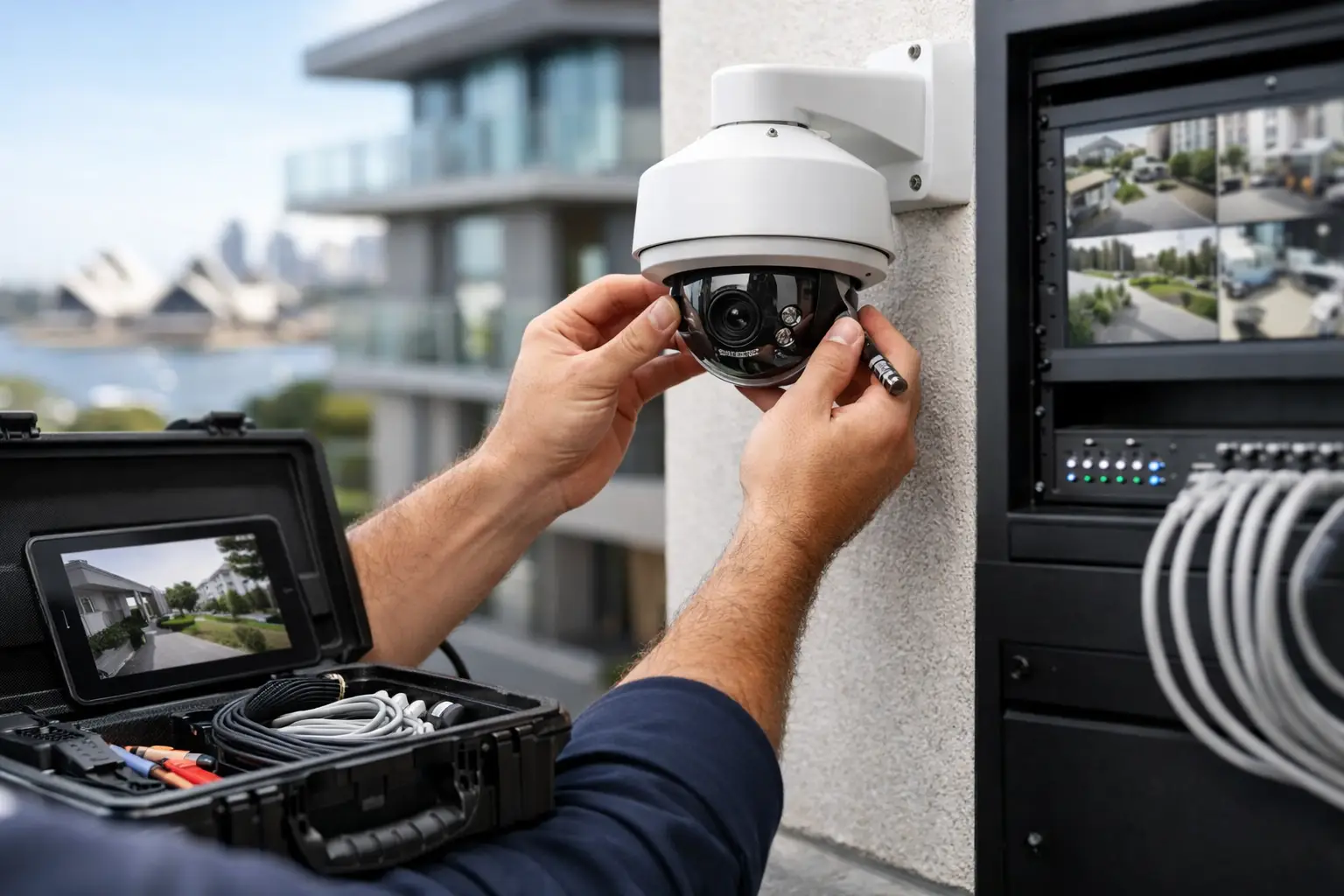
Physical inspection is where many avoidable issues are found. Camera lenses and housings should be cleaned using appropriate materials, and installers should check for dirt, water ingress, corrosion, insect activity, loose brackets, or impact damage.
The view from each camera should then be assessed in relation to the site as it exists now. A camera that once captured a driveway entrance may now be partly obscured by a tree, parked vehicles, signage, racking, or a new access gate. In commercial settings, changes to shelving, stock layout, and vehicle routes can quickly create blind spots.
Technicians should also inspect the network and power path. For IP CCTV systems, that includes checking PoE switch status, cable terminations, cabinet ventilation, UPS performance, and network stability. On a UniFi-based network or another managed platform, recurring device disconnects, bandwidth saturation, and switch port errors can identify a problem before video is lost.
Annually: Test recovery, security, and future capacity
An annual service is an opportunity to test the system under realistic conditions. Footage should be searched, exported, and played back from several cameras to confirm it is usable and easy to retrieve. This is different from simply seeing live video on a monitor.
The review should include firmware status for cameras, recorders, and networking equipment. Updates should be planned rather than applied blindly, particularly on integrated systems where compatibility between cameras, NVRs, switches, remote access, and third-party platforms matters. A controlled update process reduces security exposure without causing avoidable downtime.
This is also the right time to reassess system capacity. If the property has expanded, operating hours have changed, or security incidents have increased, the original design may no longer be sufficient. Additional cameras, improved low-light coverage, longer storage retention, or updated AI analytics may be justified, but only after the existing system has been assessed as a whole.
What Changes CCTV Maintenance Frequency?
There is no universal maintenance interval because site conditions have a direct effect on camera reliability. Outdoor cameras exposed to salt air, dust, heavy rain, heat, or industrial activity require more frequent cleaning and inspection than cameras in a climate-controlled office. A camera near a kitchen exhaust, workshop, loading dock, or construction area may need attention far more often than its nominal service schedule suggests.
Camera purpose also matters. A wide overview camera in a low-traffic common area is less critical than a camera identifying faces at an entrance, recording license plates at a gate, or monitoring a controlled access point. Identification cameras need careful positioning, clean optics, and appropriate lighting because minor image degradation can have a major impact on evidentiary value.
Network design is another factor. Modern IP CCTV relies on stable switching, structured cabling, appropriate PoE budgets, protected power, and sufficient bandwidth. Where cameras share infrastructure with Wi-Fi, access control, AV, or smart-property systems, maintenance should consider network segmentation and traffic priorities. This is one reason integrated design provides a practical advantage over isolated installations.
What a Professional CCTV Maintenance Visit Should Cover
A useful maintenance visit should produce more than a cleaned lens and a verbal assurance that the system is working. It should include documented checks that help property owners and managers understand the current condition of the system.
A thorough service typically covers:
- Camera image quality, focus, field of view, night performance, and physical condition.
- Recorder health, storage capacity, retention settings, and playback or export testing.
- Network connectivity, PoE power delivery, cabling condition, switch performance, and UPS status.
- User access, remote viewing permissions, password hygiene, and firmware review.
- Alarm, access control, intercom, or monitoring integrations where those systems are connected.
For strata and commercial properties, service reporting is especially valuable. It provides a record of faults found, corrective work completed, cameras with limited views, and recommendations for upgrades or future planning. This supports clearer budgeting and avoids the common problem of discovering system limitations only after an incident.
Do Not Wait for a Fault Alert
Fault notifications are useful, but they are not a complete maintenance strategy. A camera can remain online while its lens is obscured, its scene is poorly exposed, or its footage is no longer fit for identification. Likewise, a recorder can show available capacity while retaining footage for fewer days than the property requires.
The best approach is to set a CCTV maintenance schedule at installation, then review it after seasonal changes, renovations, security incidents, or network upgrades. Alpha Security Corp approaches CCTV as part of the property’s connected infrastructure, considering cameras alongside power, cabling, networking, access control, and the way people actually use the site.
A maintained system should give you confidence that footage can be found, viewed, and relied upon when a question needs answering. That confidence is built through regular verification, not through assuming a green camera icon means everything is working.