



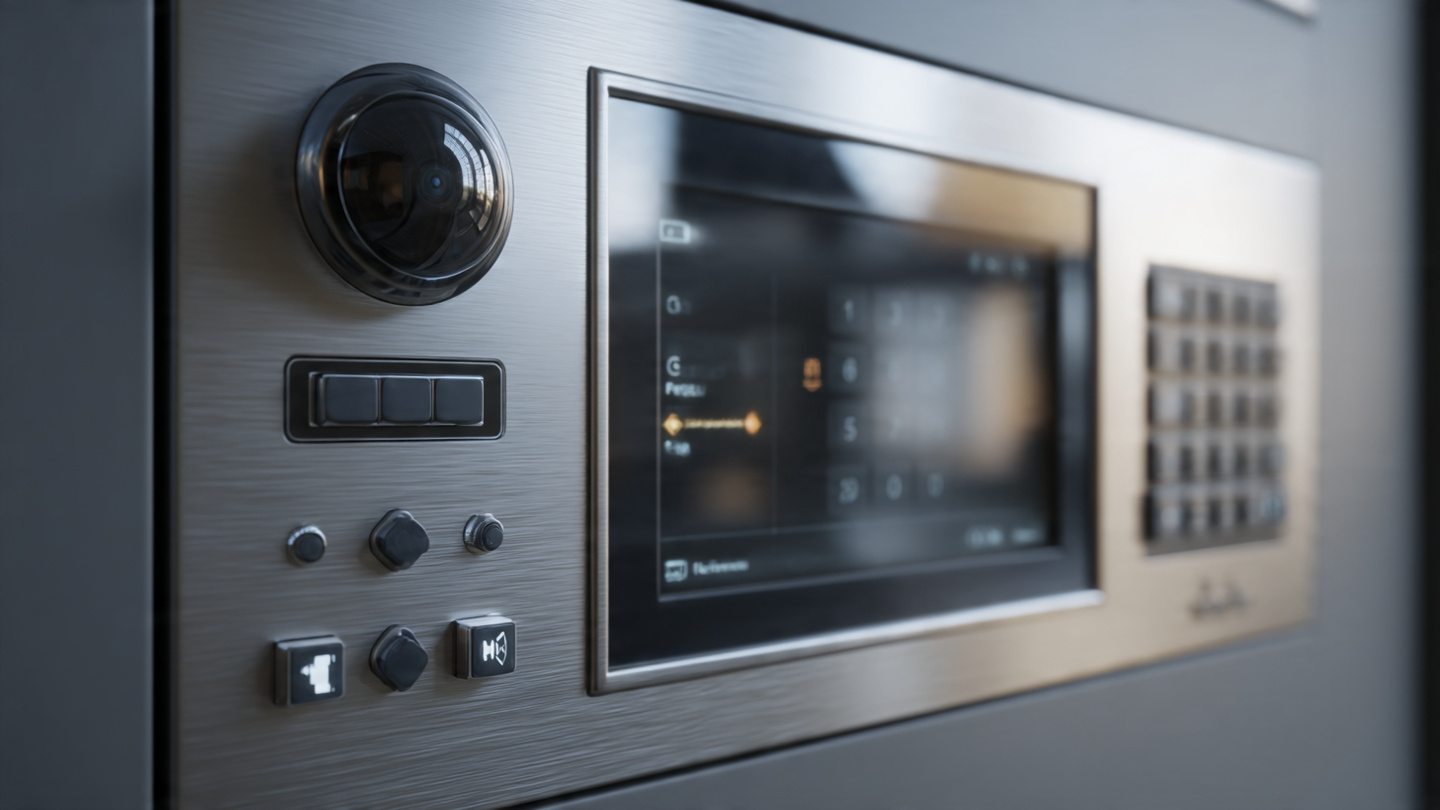
Upgrade Your Home with Intercom Installation
Intercom systems have become an essential component of modern communication, particularly in residential and commercial settings. These systems facilitate seamless communication between different areas of a property, enhancing security and convenience. Whether you live in a sprawling estate or a compact apartment, an intercom system can significantly improve your ability to communicate with family members, guests, or employees. The installation of an intercom system can be a straightforward process, but it requires careful planning and consideration to ensure that it meets your specific needs.
The evolution of intercom technology has led to a variety of options available on the market today. From traditional wired systems to advanced wireless solutions, the choices can be overwhelming. However, understanding the fundamentals of intercom installation can help you make informed decisions. This article will explore the benefits of intercom systems, the various types available, and the factors to consider before installation. Additionally, we will provide a step-by-step guide for installation, maintenance tips, and insights on integrating intercom systems with smart home technology.
If you’re considering an Intercom installation, you may find it beneficial to read more about the various aspects of data networking that can enhance your system’s performance. For a comprehensive overview of electrical services related to data networking, check out this informative article on Alpha Security Corp’s website: Data Networking Services. This resource provides insights into how proper networking can improve communication systems, ensuring that your Intercom functions seamlessly within your home or business.
Benefits of Intercom Systems

The advantages of installing an intercom system are numerous and varied. One of the primary benefits is enhanced security. With an intercom system, you can easily communicate with visitors before granting them access to your property. This feature is particularly valuable for homes and businesses alike, as it allows you to verify the identity of individuals without having to open the door or gate. Furthermore, many modern intercom systems come equipped with video capabilities, enabling you to see who is at your door in real-time.
In addition to security, intercom systems also promote convenience and efficiency. For families living in larger homes, an intercom system allows for easy communication between rooms without the need for shouting or running back and forth. In commercial settings, intercoms can streamline communication among staff members, improving workflow and productivity. The ability to communicate instantly can also enhance customer service in retail environments, as employees can quickly relay information or request assistance when needed.
Types of Intercom Systems
When considering an intercom system for your property, it is essential to understand the different types available. Wired intercom systems are one of the most traditional options and involve running cables throughout the property to connect various units. These systems are known for their reliability and consistent performance but may require more extensive installation efforts. Wired systems are often preferred for larger buildings where a stable connection is crucial.
On the other hand, wireless intercom systems have gained popularity due to their ease of installation and flexibility. These systems use radio frequencies or Wi-Fi to transmit audio and video signals, eliminating the need for extensive wiring. Wireless intercoms are ideal for smaller properties or those where running cables would be impractical. Additionally, some advanced wireless systems offer features such as smartphone integration, allowing users to communicate through their mobile devices.
Factors to Consider Before Installing an Intercom System

Before diving into the installation of an intercom system, several factors should be taken into account to ensure that you choose the right solution for your needs. First and foremost, consider the size and layout of your property. Larger homes or commercial spaces may require multiple intercom units strategically placed throughout the premises to ensure effective communication. Assessing the distance between units is also crucial, as this will impact the type of system you choose—wired or wireless.
Another important consideration is the specific features you desire in an intercom system. For instance, do you want video capabilities? Would you prefer a system that integrates with your existing smart home technology? Understanding your requirements will help narrow down your options and ensure that you select a system that meets your needs. Additionally, consider your budget; while some systems may offer advanced features, they may also come with a higher price tag.
When considering the installation of an Intercom system, it’s essential to understand how it can integrate with your overall security setup. A related article that delves into the importance of alarm monitoring is available at this link. This resource provides valuable insights into back-to-base alarm monitoring, which can enhance the effectiveness of your intercom system by ensuring that your property is continuously monitored for any security breaches.
Steps to Install an Intercom System
Installing an intercom system can be a manageable task if approached methodically. The first step is to plan the layout of your system. Identify where each intercom unit will be placed and ensure that they are within range of each other if using a wireless system. For wired systems, mark the locations where cables will need to be run.
Once you have a plan in place, gather all necessary tools and materials for installation. This may include mounting brackets, screws, cables (for wired systems), and any additional components required by your specific intercom model. If you are installing a wired system, begin by running cables from the main unit to each sub-unit according to your layout plan. Ensure that all connections are secure and properly insulated.
For wireless systems, installation typically involves mounting the units in their designated locations and following the manufacturer’s instructions for pairing them together. Once everything is set up, test each unit to ensure that they are functioning correctly before finalizing the installation.
When considering the installation of an Intercom system, it’s essential to understand how it can enhance your overall security setup. For those looking to upgrade their commercial security in Sydney, you might find valuable insights in a related article that discusses various strategies and technologies. This resource can help you make informed decisions about integrating an intercom system with other security measures. To learn more, check out this informative piece on upgrading your commercial security.
Maintenance and Troubleshooting Tips for Intercom Systems

Like any electronic device, intercom systems require regular maintenance to ensure optimal performance. One of the simplest maintenance tasks is to keep the units clean and free from dust or debris that could interfere with their functionality. Regularly check connections for any signs of wear or damage, especially in wired systems where cables may become frayed over time.
In case of issues with your intercom system, troubleshooting can often resolve common problems. If you experience poor audio quality or connectivity issues, start by checking the power supply and ensuring that all connections are secure. For wireless systems, interference from other devices may affect performance; try relocating units or changing channels if possible. If problems persist, consult the user manual or contact customer support for further assistance.
Integrating Intercom Systems with Smart Home Technology
The rise of smart home technology has transformed how we interact with our living spaces, and intercom systems are no exception. Many modern intercoms can be integrated with smart home devices such as security cameras, smart locks, and home automation systems. This integration allows for enhanced functionality; for example, you can unlock your door remotely through your intercom system when someone arrives at your home.
Additionally, integrating your intercom with smart home technology can provide added convenience. You can receive notifications on your smartphone when someone rings your doorbell or communicate with family members through voice commands using virtual assistants like Amazon Alexa or Google Assistant. This level of connectivity not only enhances security but also streamlines daily tasks within your home.
Choosing the Right Intercom System for Your Home

Selecting the right intercom system for your home involves careful consideration of various factors discussed earlier in this article. Start by assessing your specific needs—do you require video capabilities? How many units will you need? Once you have a clear understanding of your requirements, research different brands and models that fit within your budget.
Reading customer reviews can provide valuable insights into the performance and reliability of different intercom systems. Additionally, consider consulting with professionals who specialize in security solutions; they can offer expert advice tailored to your unique situation. Ultimately, choosing the right intercom system will enhance communication within your home while providing peace of mind regarding security.
In conclusion, intercom systems offer numerous benefits that enhance communication and security in both residential and commercial settings. By understanding the various types available and considering key factors before installation, you can select a system that meets your specific needs. With proper installation and maintenance, an intercom system can serve as a valuable tool for years to come, seamlessly integrating into your daily life while providing enhanced safety and convenience.