


If you are asking what home security systems work with Alexa, the real question is usually bigger than voice control. Most property owners are not looking to say, “Alexa, arm the system,” just for the novelty of it. They want a security setup that fits into the way the home or building already operates, without introducing weak points, awkward app switching, or half-working automations.
That distinction matters because Alexa compatibility is easy to overstate. Many systems technically work with Alexa in some form, but the quality of that integration varies a lot. Some platforms give you useful voice commands, status updates, and routines that genuinely improve day-to-day use. Others offer little more than a basic skill, limited device support, or restrictions that make the integration feel incomplete.
What home security systems work with Alexa in practice?
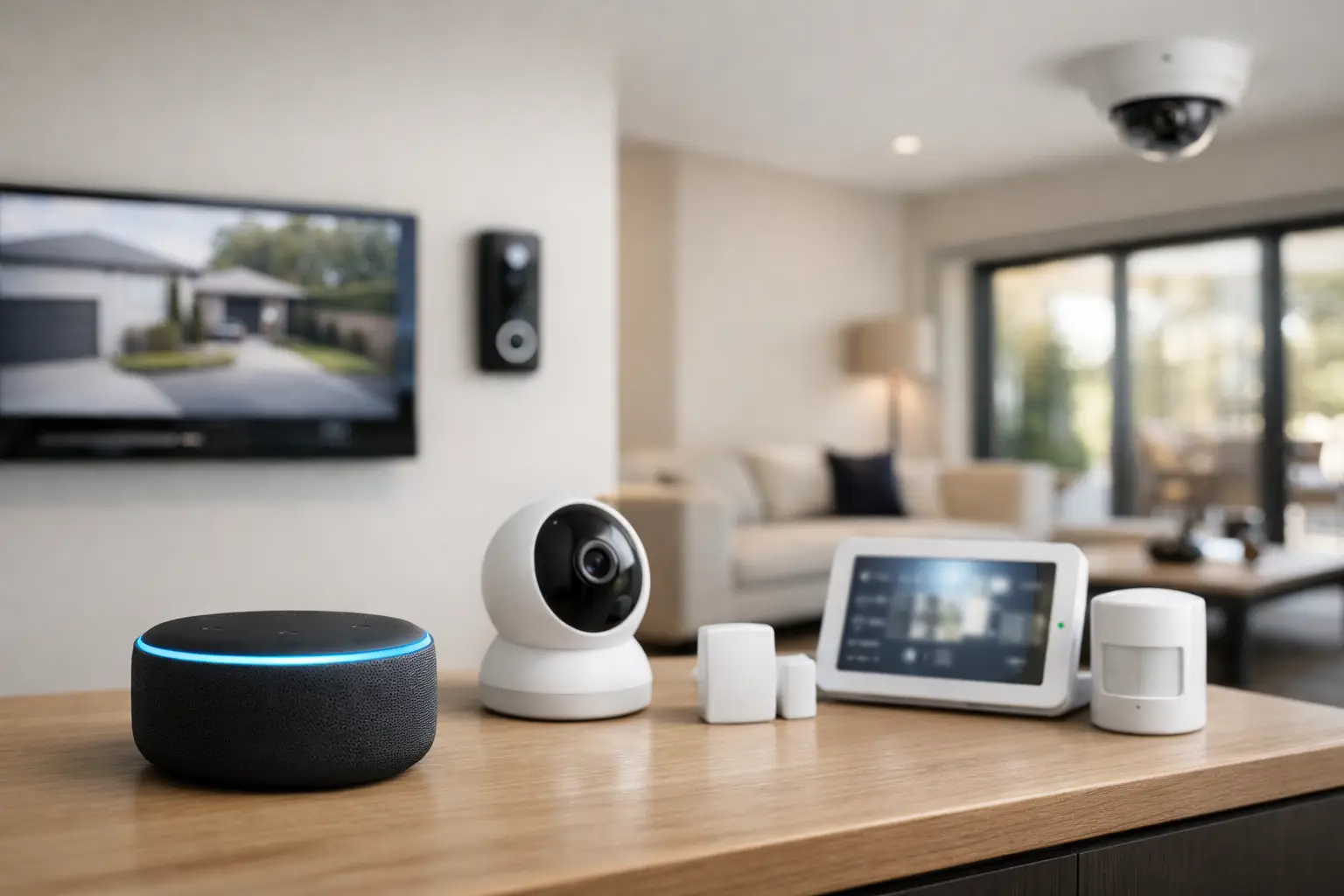
In broad terms, several categories of security systems can work with Alexa: professionally installed alarm systems, smart cameras and video doorbells, intercoms, access control devices, and broader automation platforms that bridge security into Alexa. The key issue is not whether the logo says “Works with Alexa.” It is whether the system supports the functions you actually want.
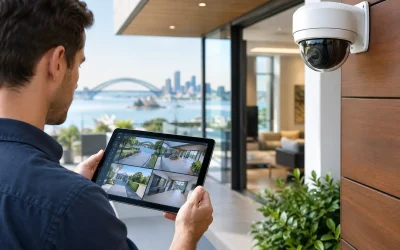
For example, many alarm platforms allow Alexa to arm the system in Home or Away mode, check status, or trigger routines based on system state. Cameras may let you display a live feed on Echo Show devices or announce motion events. Video doorbells often support two-way interaction with Alexa displays and voice announcements when someone presses the button. That sounds straightforward, but support can differ by model, firmware, region, installer setup, and how the system is monitored.
For higher-end residential and commercial properties, the better question is this: do you want Alexa to be the main control layer, or just one of several ways to interact with a professionally designed system? In most well-planned projects, Alexa is a convenience layer, not the foundation.
The systems that tend to integrate best with Alexa
The most Alexa-friendly systems are usually the ones built with cloud-connected smart home support in mind. Consumer-facing brands have historically moved faster here, particularly around cameras, doorbells, and basic alarm commands. But that does not automatically make them the best choice for a serious security installation.
Professionally installed alarm systems can work well with Alexa when the manufacturer supports a stable cloud integration and the installer has configured user permissions correctly. Bosch, for instance, is a strong security platform in the right application, but the Alexa experience depends on the specific product family and available integrations in your market. The same applies to many commercial-grade systems. Security performance may be excellent, but voice assistant support may be limited, indirect, or intentionally restricted for safety reasons.
Camera and doorbell ecosystems are often where Alexa integration feels most polished. Live view on an Echo Show, motion announcements, and event-based routines are genuinely useful. If your priority is front-door awareness and quick voice-accessible viewing, those categories usually deliver the smoothest Alexa experience.
Then there is the third path: using an integration platform such as Home Assistant to connect devices that would not otherwise present well in Alexa. This is often the best answer for complex homes, retrofits, and mixed-brand properties. A professionally configured Home Assistant environment can bridge alarm states, selected camera triggers, lighting scenes, occupancy logic, and audio-visual actions into a more unified Alexa experience. It also creates far more flexibility than relying on each manufacturer’s native Alexa skill.
Where Alexa works well – and where it does not
Alexa is very good at simple, repeatable actions. It works well for arming selected alarm modes, launching routines, turning exterior lights on when motion is detected, announcing a gate or front door event, or showing a camera feed in a kitchen or office display.
It is less effective when people expect deep security administration by voice. Disarming an alarm by voice, changing critical security settings, managing access credentials, and handling advanced surveillance features are often restricted for obvious reasons. A serious security platform should not trade away good security practice just to add voice convenience.
This is where expectations need to be realistic. If you want voice control for common actions and alerts, Alexa can be very useful. If you want a voice assistant to replace a proper keypad, app, touchscreen, intercom monitor, or access control interface, you will likely run into limitations.
Why integration quality matters more than Alexa support alone
A common mistake in project planning is choosing security hardware based on one feature line on a spec sheet. Alexa compatibility should be treated as one design factor, not the deciding factor.
A reliable result depends on the whole environment around the security system. That includes network quality, Wi-Fi coverage, structured cabling, power resilience, device placement, and how the platforms talk to each other. A camera feed to an Echo Show is only useful if the camera network is stable. A voice routine that turns on pathway lighting after a motion trigger only works properly if the lighting control system, automation layer, and network are planned together.
This is why integrated design tends to outperform piecemeal setups. When alarms, CCTV, intercoms, networking, lighting, and automation are designed as one system, Alexa becomes more useful because it is sitting on top of a dependable foundation. Without that foundation, voice control often exposes the gaps.
Choosing the right system for your property
For a standalone home with straightforward needs, native Alexa support may be enough if the priorities are front-door awareness, a few camera views, and simple arm-state routines. But once the property includes multiple entry points, electric gates, intercoms, exterior lighting scenes, dedicated AV zones, or mixed device brands, native integrations start to show their limits.
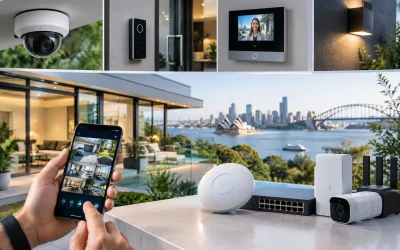
In those cases, think in layers. The first layer is core security: alarm, CCTV, access control, intercom, and monitoring. The second is infrastructure: cabling, switching, reliable Wi-Fi, and power. The third is control and automation: platforms such as Apple Home, Home Assistant, or manufacturer-specific systems. Alexa then sits above that as a voice interface for selected tasks.
That layered approach gives you more flexibility and fewer compromises. It also avoids overloading Alexa with jobs it is not meant to do.
For builders, renovators, and property owners planning a new system, it is worth deciding early whether Alexa is being included for convenience, accessibility, or household preference. If someone in the home regularly uses voice commands for lighting, music, reminders, and daily routines, then extending that experience into security notifications and basic controls makes sense. If not, forcing Alexa into the project may add complexity without much practical value.
What to ask before you choose
If you are comparing options, ask very specific questions. Can Alexa arm the system, and in which modes? Can it disarm, or is that correctly restricted? Can camera feeds appear on Echo Show devices, and how fast do they load? Are motion announcements available? Can the front door, gate, or intercom trigger a spoken announcement? Will the integration still work properly if the internet connection drops? Can the system be unified through Home Assistant or another control layer later?
These questions move the conversation away from marketing labels and toward actual performance. They also help expose the difference between a device that is Alexa-compatible and a system that is well designed.
A smarter answer than “yes, it works with Alexa”
The best answer to what home security systems work with Alexa is that many do, but not all of them work well enough to justify basing the entire decision on voice support. Good Alexa integration is valuable when it complements a professionally designed security and automation system. It is less valuable when it becomes the main reason for choosing hardware that falls short in reliability, scalability, or integration with the rest of the property.
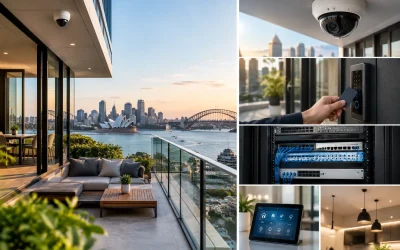
For premium homes and serious commercial environments, the goal should be a system designed to work as one. That may include Bosch intrusion, Dahua or Hikvision CCTV, Akuvox intercoms, UniFi networking, DALI-2 lighting control, Apple Home, or Home Assistant, depending on the project. In that kind of setup, Alexa has a clear role: quick access, useful announcements, and convenient routines that sit on top of a stable security platform.
That is usually the difference between a system that merely answers a voice command and one that genuinely supports the way a property runs every day. If Alexa is part of your plan, make sure it is being added to a reliable ecosystem, not asked to compensate for one.