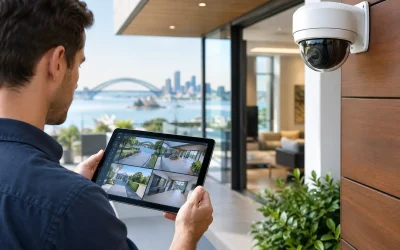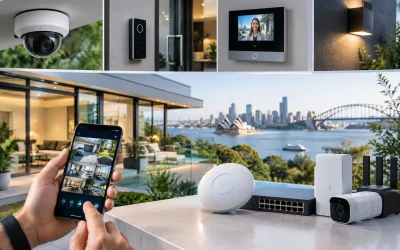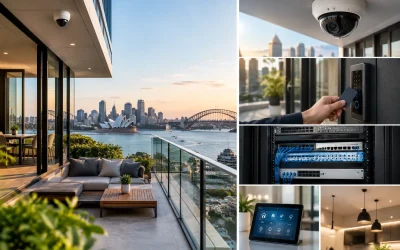



A front door, vehicle gate, lobby, or loading entrance is where security, convenience, and first impressions meet. The best smart entry systems Sydney property owners choose are not simply a doorbell with an app. They are professionally planned access environments that identify visitors clearly, control who enters, record meaningful events, and work reliably with the rest of the property.
For a family home, that may mean answering the gate from an Apple Home device, admitting a contractor through an Akuvox video intercom, and receiving a useful camera alert when someone approaches. For a commercial or strata site, it may mean credential-based access, audit trails, remote administration, lift or door coordination, and a clear process for visitors and deliveries. The right answer depends on the entry point, the people using it, and the infrastructure behind it.
What makes a smart entry system worth installing?
A smart entry system earns its place when it reduces uncertainty at the door. You should be able to see who is there, communicate clearly, grant or deny access appropriately, and understand what occurred afterward. That sounds straightforward, but reliable results require more than mounting a device beside a gate.
The system needs a stable network, suitable power, correct lock hardware, sensible cable pathways, and a control method that suits daily use. A video intercom may perform well at a single front gate but need a different architecture for a multi-level building with several doors, tenants, and shared facilities. Likewise, mobile credentials can be convenient for staff, but a physical card, fob, keypad, or PIN may remain the better operational choice for some environments.
Professional design also considers what happens when internet service is unavailable, a resident changes phones, a tenant moves out, or a delivery driver arrives after hours. Entry control should not become harder to manage than the lock it replaced.
Best smart entry systems Sydney projects should consider
The best approach is usually to select the entry method first, then choose the platform and hardware that support it. A premium residence, medical practice, warehouse, and strata lobby may all use smart entry technology, yet their requirements are materially different.
Video intercoms for homes, gates, and apartments
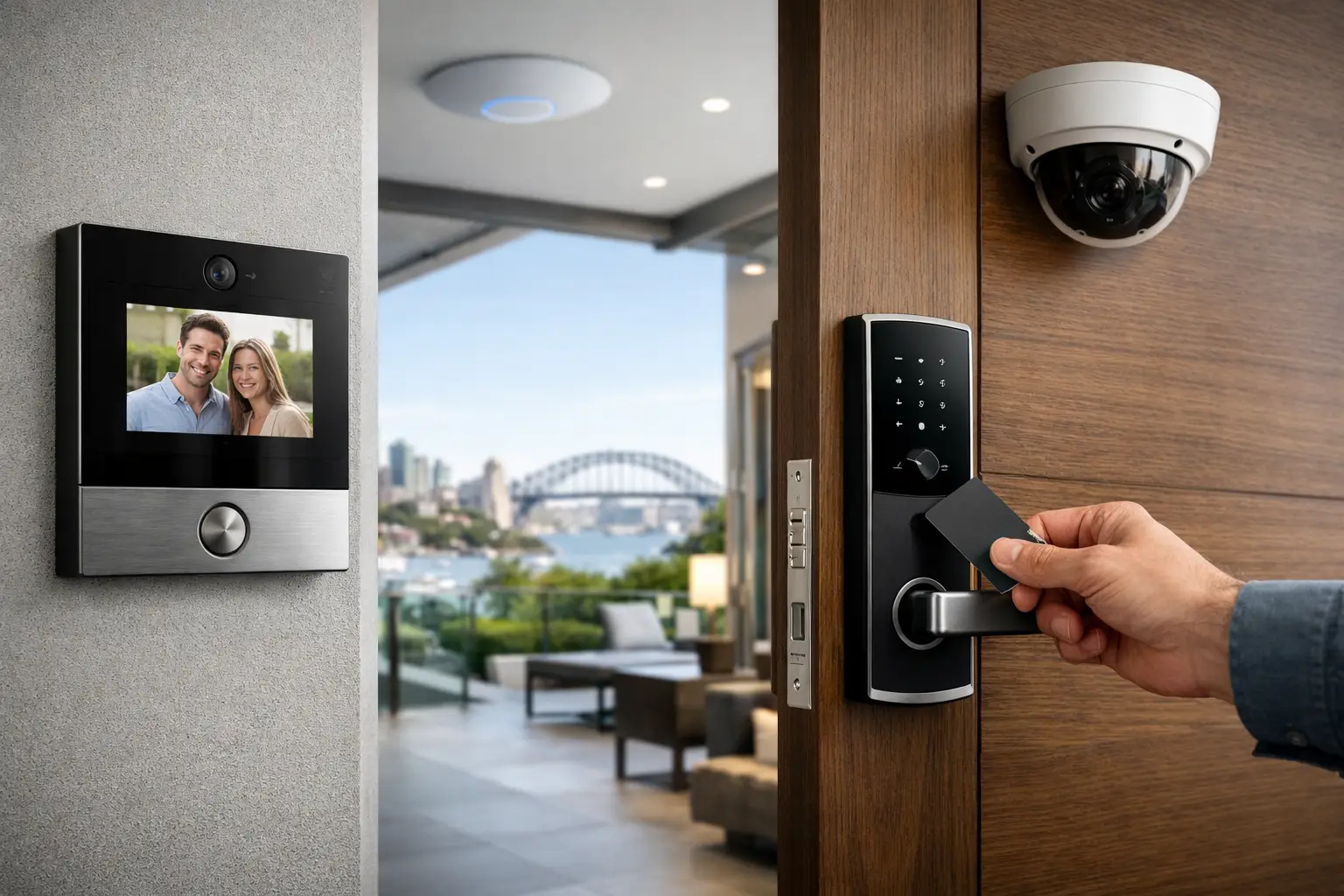
A video intercom is often the most practical starting point for residential properties. It provides live video, two-way audio, visitor calling, and a secure way to release a pedestrian gate, driveway gate, or front door. Well-specified systems from platforms such as Akuvox can support indoor monitors, mobile answering, multiple entrances, and integration with selected smart-home ecosystems.
The key distinction is between an intercom that merely sends a notification and one designed as part of the property’s entry workflow. At a larger home, for example, the intercom can be paired with CCTV coverage of the driveway, gate automation, exterior lighting, and reliable Wi-Fi or wired networking. A visitor pressing the call button can trigger an appropriate response without leaving occupants dependent on a weak signal at the edge of the property.
For apartment-style or multi-dwelling projects, directory management, resident privacy, access permissions, and installation at common doors become central. These sites benefit from planning the intercom, electric locking, cabling, and network equipment together rather than treating each as a separate trade item.
Mobile, card, and keypad access for controlled doors
For offices, clinics, warehouses, and shared commercial spaces, access control is often more useful than a conventional key system. Staff can use mobile credentials, cards, fobs, PINs, or a combination of methods. Administrators can issue access based on role, revoke it when employment changes, and review entry events where the system is configured for reporting.
This is particularly valuable where keys would otherwise circulate across contractors, cleaners, shift workers, and managers. A lost mechanical key can require a lock change. A lost credential can generally be removed from the system without disrupting everyone else.
There are trade-offs. Mobile-only access may not suit every user group or emergency process, while PIN-only entry can create security concerns if codes are shared. For many sites, a card or mobile credential combined with a video intercom at the main entrance provides a practical balance between convenience and accountability.
Smart locks for selected residential doors
Smart locks can be appropriate for a side entrance, internal access point, short-stay area, or residential front door, especially when paired with Apple Home or Home Assistant automation. Their value is strongest when they are part of a broader plan: users can see the lock state, receive an alert if a door is left open, or create controlled access routines for trusted visitors.
However, smart locks are not a universal replacement for professionally designed access control. Door construction, fire and egress requirements, strike alignment, weather exposure, and the need for a mechanical override all matter. On a high-traffic or commercial door, purpose-built access hardware and a correctly specified electric lock are usually the more durable choice.
Gate and vehicle entry integration
Driveway gates need more than a remote control. A properly integrated system can combine an intercom, gate controller, vehicle detection, CCTV verification, and lighting. Residents may answer a gate call from an indoor monitor or approved mobile device, while the system records the approach and preserves a clear view of the visitor.
At commercial sites, vehicle gates can be tied to approved credentials, time schedules, or a staffed reception process. The goal is not automation for its own sake. It is to prevent uncontrolled vehicle entry while keeping legitimate arrivals moving efficiently.
The infrastructure behind reliable smart entry
The most capable intercom or access controller cannot compensate for poor infrastructure. Network quality, cable design, electrical supply, backup considerations, and equipment location determine whether an entry system behaves predictably over time.
PoE, or Power over Ethernet, is often a strong option for intercoms, cameras, and access devices because it carries power and data through a single correctly installed cable. Combined with structured cabling and a properly designed UniFi network, it can provide stable communication, centralized equipment management, and better coverage at gates or remote building entrances.
Wireless connections still have a place, particularly in a retrofit where cabling is impractical. But gateposts, masonry, metal enclosures, distance from the home, and competing Wi-Fi traffic can all affect performance. Before choosing a wireless-first solution, test the environment and consider how the system will be supported years from now.
Electrical design matters too. Electric strikes, maglocks, gate controllers, emergency release devices, and backup power each need to be selected and installed for the application. Compliance and life-safety considerations are not optional details at an entry point. They should be addressed during design, especially in commercial, strata, healthcare, and education settings.
Integration should improve daily use, not complicate it
A connected entry system is most useful when it works with the systems people already depend on. At a residence, a gate call can appear on designated Apple Home devices, while Home Assistant may coordinate lighting, camera views, notifications, and presence-based routines. The practical objective is simple: the right information reaches the right person, without creating unnecessary steps.
For businesses, integration may mean an intercom station at reception, CCTV views linked to an entrance, and access events available to authorized administrators. A staff member should not need to search across several unrelated apps to confirm a visitor, release a door, and verify the entry was completed.
Integration does require discipline. Not every function needs to be automated, and critical entry hardware should retain sensible local operation. A good design identifies which actions need convenience, which need security controls, and which need a dependable fallback method.
Questions to settle before selecting a system
Start by mapping every entry point, not just the front door. Consider pedestrian gates, vehicle gates, side doors, garage access, common-area doors, deliveries, staff entrances, and after-hours access. Then define who needs access, how often their permissions change, and whether there must be a record of entry activity.
It is also worth deciding how visitors will be handled when nobody is on site or available to answer. A home may prioritize remote video calls and family-friendly controls. A commercial site may prioritize credential management, scheduled access, and a clear escalation process. Strata properties need a structure that respects shared security while allowing residents to manage their own visitors.
Finally, plan for the next stage of the property. If CCTV, alarm monitoring, smart lighting, AV, or additional doors are likely later, install the cabling, network capacity, and containment that make expansion straightforward. This is where an integrated provider such as Alpha Security Corp can add real value: security, electrical, networking, and automation decisions are designed as one coordinated system rather than corrected after the walls are closed.
A smart entry system should make the property feel more controlled without making it feel complicated. When the hardware, network, locks, cameras, and user experience are planned together, the door becomes a dependable part of the wider security environment rather than another app demanding attention.