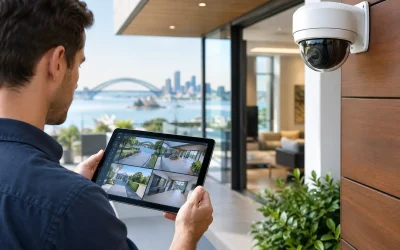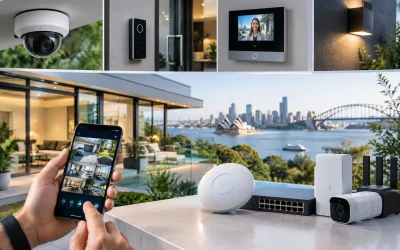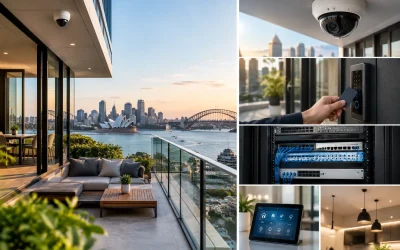



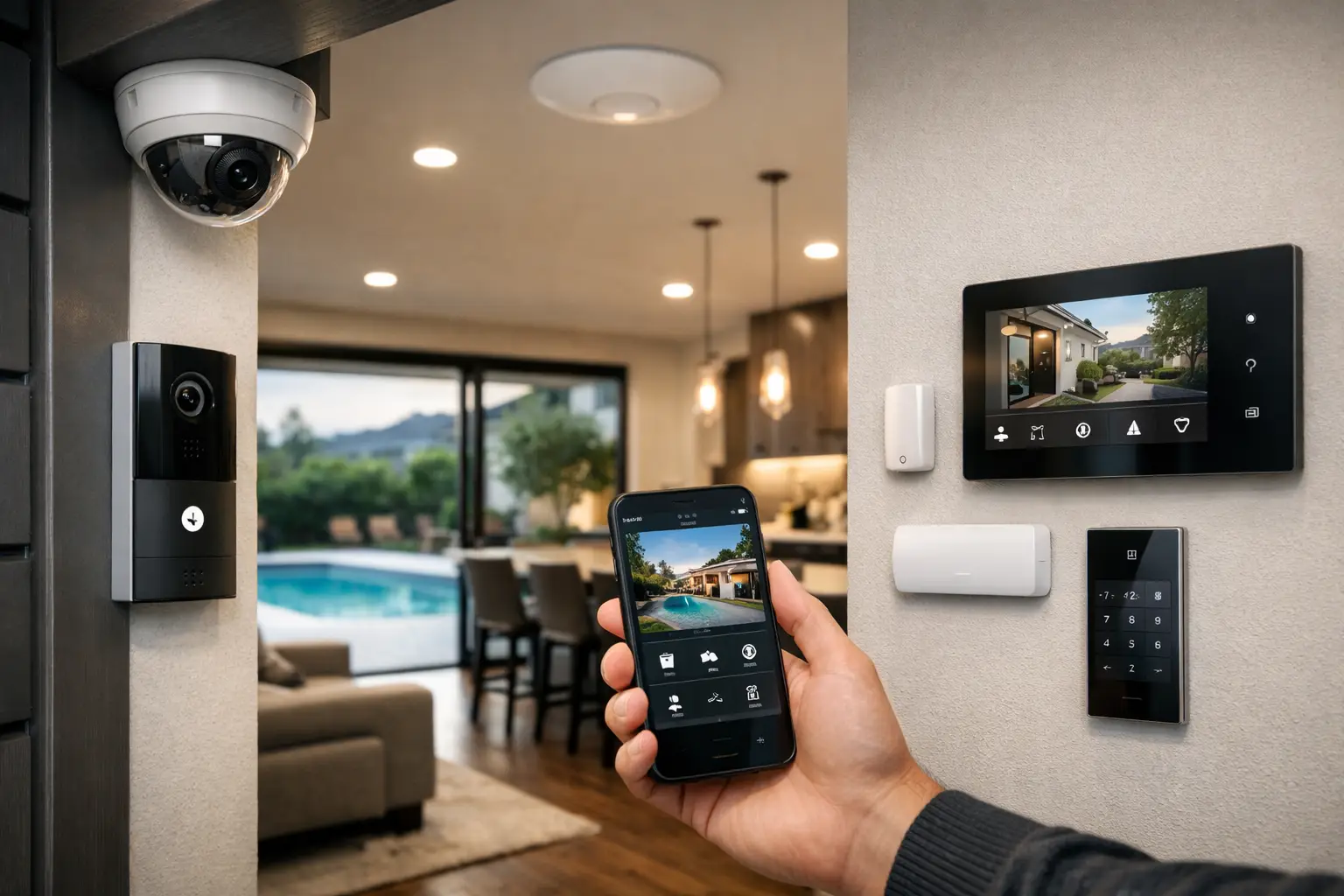
A front door camera that misses alerts, a smart lock that drops offline, and an alarm that works separately from everything else is not a smart security setup. It is a collection of disconnected parts. If you are asking what is smart home security systems, the real answer starts with integration. A proper system brings cameras, alarms, access control, lighting, intercoms, and networking into one reliable environment that is easier to manage and more useful every day.
For homeowners, builders, and property managers, that distinction matters. Smart home security is not just about getting motion notifications on your phone. It is about designing a property so security events, user access, remote visibility, and automation all work as one practical system.
What is smart home security systems in practical terms?
Smart home security systems combine physical security devices with networked control, automation logic, and remote access. That usually includes CCTV cameras, an intruder alarm, smart locks or gate access, video intercoms, sensors, and mobile control through an app or central interface.
What makes the system “smart” is not the label on the box. It is the ability to share information across devices and respond intelligently. A person detected at the entry can trigger a camera recording, send a push alert, turn on pathway lighting, and show a live intercom feed on a phone or in-home panel. If the system is well designed, those actions happen reliably because the infrastructure behind them has been planned properly.
That is where many people get tripped up. They think smart security is mainly about devices. In reality, the network, structured cabling, power design, electrical work, and platform compatibility often matter just as much as the cameras and sensors themselves.
Smart security is more than cameras and alarms
A traditional alarm system is built to detect intrusion and trigger a siren or monitoring response. A smart home security system still does that, but it adds awareness and control. You can check camera feeds remotely, confirm whether a family member arrived home, unlock a gate for a delivery, or receive a specific alert when someone opens a restricted door.
The best systems also connect security with the rest of the property. Lighting can support deterrence. Intercoms can support access management. A strong Wi-Fi and wired network can keep devices stable. Automation platforms like Apple Home and Home Assistant can bring those layers together in a way that fits how the property is actually used.
This is why professionally designed systems usually perform better than piecemeal setups. If one provider plans the security, electrical, networking, and automation together, the result is cleaner and more dependable.
The core parts of a smart home security system
Most smart home security systems are built from a few key layers, and each one affects how usable the system is.
CCTV and video verification
Modern CCTV does more than record footage. With platforms such as Dahua, Hikvision, and Bosch in the right application, cameras can provide person and vehicle detection, line crossing alerts, and intelligent search tools. That reduces noise compared with older motion-only alerts.
The practical value is simple. You do not just get told that something moved. You get better context about what happened, where it happened, and whether it needs attention.
Intruder alarms and sensors
Door contacts, motion detectors, glass-break sensors, and perimeter devices remain the backbone of residential security. In a smart setup, those sensors can also trigger automation events or be armed in more flexible ways. For example, you might arm the perimeter at night while allowing movement inside the home.
Access control and smart locks
Access is often overlooked in home security discussions, but it is central to daily use. Smart locks, gate controllers, garage access, and door stations allow you to manage who enters and when. In larger homes or multi-entry properties, access control becomes much more useful than relying on keys alone.
Intercoms and door stations
A good intercom system adds more than convenience. Platforms such as Akuvox can provide video communication, remote unlocking, and event logging. For homes with gates, detached entries, or multiple occupants, this can remove a lot of friction while improving visibility.
Lighting and automation logic
Lighting is one of the most effective security tools when integrated properly. Exterior lights can activate on verified motion, pathway lighting can turn on when residents arrive, and scheduled scenes can make an empty property look occupied. With DALI-2 lighting and control platforms such as Zen Control, the result is more precise than simple sensor lights.
Networking and infrastructure
This is the layer people rarely think about until something stops working. A smart security system depends on stable networking, quality switching, correct Wi-Fi coverage, backup power planning, and in many cases structured cabling. UniFi networks are a common choice where reliable coverage, visibility, and future expansion matter.
Without that foundation, even good hardware can feel unreliable.
What makes a system truly smart?
The difference between a connected home and a genuinely smart one is coordinated behavior. Devices should not just appear in the same app. They should support useful outcomes.
For example, if the alarm is armed away and a person is detected in the backyard after hours, the system might record at a higher priority, turn on selected lights, send an immediate alert, and make footage easy to review. If the homeowner disarms the system on arrival, indoor lighting and climate presets might respond at the same time. Those actions are not gimmicks. They reduce effort and improve security response.
This is where platforms like Apple HomeKit and Home Assistant can be powerful, provided the design is disciplined. HomeKit suits users who want a polished Apple-centered experience. Home Assistant offers broader customization and can unify many different systems when handled correctly. The trade-off is complexity. More flexibility usually means more planning and tighter implementation standards.
Why professional design matters
A smart home security system can look simple from the phone app, but the design choices behind it are not. Camera placement, sensor zoning, intercom positioning, network architecture, recording storage, automation logic, electrical capacity, and user permissions all affect long-term performance.
That is particularly true in new builds and major renovations. If cabling, power, rack space, and control locations are planned early, the result is far better than trying to retrofit around finished walls and ceilings. Retrofits can still work very well, but they benefit from careful scope planning and realistic expectations about what should be wireless versus wired.
A professionally designed system also avoids the common problem of overlapping apps and incompatible platforms. When one specialist considers CCTV, alarms, access control, lighting, and networking together, the property is easier to operate and easier to service later.
What is smart home security systems for different property types?
The answer changes slightly depending on the property.
In a family home, smart security is often about visibility, controlled access, perimeter awareness, and making sure the house behaves properly when people arrive, leave, or go to bed. In a high-end residence, it may also include integrated lighting scenes, gate control, multi-building coverage, and unified control across Apple Home or Home Assistant.
For strata and multi-occupancy settings, the focus shifts toward shared entry management, intercom performance, CCTV retention, and role-based access. For commercial premises, smart security leans more heavily into reporting, credential control, monitored alarms, and dependable network infrastructure.
The principle stays the same. The system should match how the site operates, not force the site to adapt to random devices.
Common misconceptions about smart home security
One misconception is that smart means wireless. Some wireless devices are useful, especially in targeted retrofit situations, but many of the most reliable systems still depend on wired backbone infrastructure.
Another is that more automation automatically means better outcomes. It does not. Over-automated systems can frustrate users if scenes trigger at the wrong time or controls become confusing. Good design keeps automation purposeful.
There is also the belief that all platforms integrate equally well. They do not. Some combinations are elegant and stable. Others technically connect but create operational headaches. This is why platform selection should happen early, especially if you want CCTV, access control, smart lighting, and voice or app control to work together cleanly.
When a smart security system is worth it
A smart home security system is worth the investment when you want more than isolated protection devices. If you want remote awareness, easier access management, cleaner day-to-day operation, and a property that is prepared for future upgrades, integrated design pays off.
It is especially valuable in larger homes, architect-designed new builds, major renovations, and properties with gates, detached structures, layered entry points, or higher performance expectations. In those environments, reliability and coordination matter more than novelty.
For clients across Sydney and broader NSW project sites, that usually means treating security as part of the property infrastructure, not as an add-on after the build is finished.
The right question is not whether a system is smart. It is whether it has been designed to work as one dependable environment, because that is what makes security easier to trust when you actually need it.