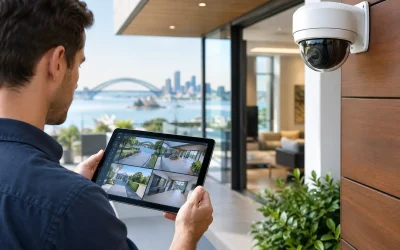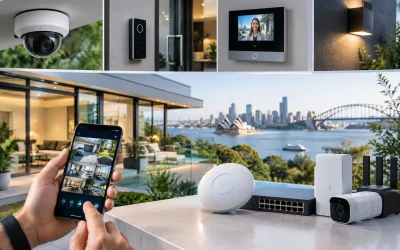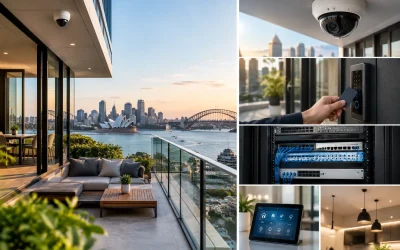



A front door is rarely just a door anymore. It is where security, convenience, delivery management, staff access, visitor verification, and daily routines all meet. That is why the best smart entry systems are not simply about opening a lock with a phone. They are about choosing an entry platform that fits the property, the users, and the wider technology stack behind it.
For a high-end home, that might mean a video intercom tied to gate access, smart lighting scenes, and Apple Home or Home Assistant. For a commercial site, it may mean credential-based access control, audit trails, remote management, and integration with CCTV. The right answer depends less on hype and more on how the system is designed.
What the best smart entry systems actually do
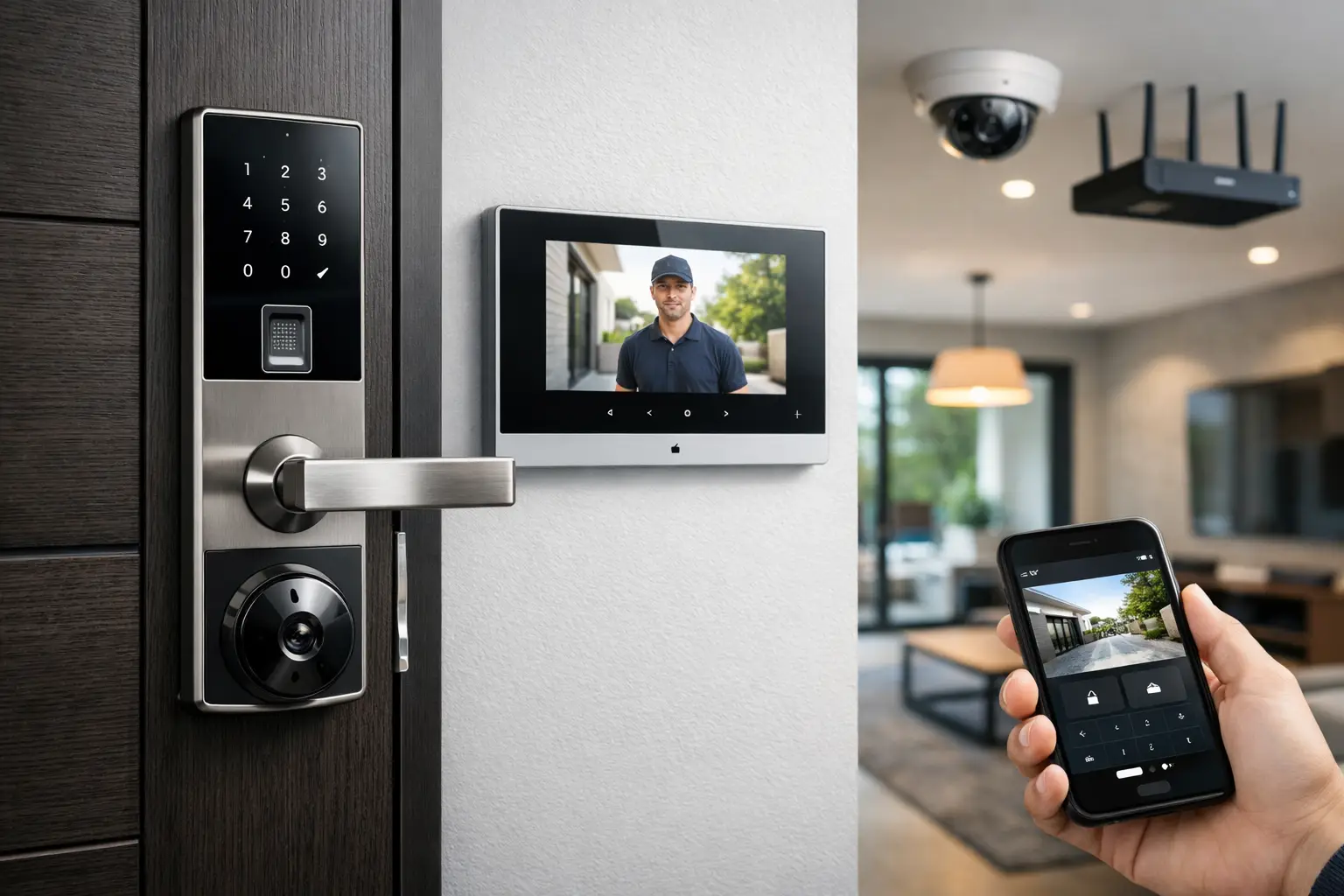
A smart entry system controls who gets in, how they get in, and what happens when they do. At the basic level, that can include a smart lock, keypad, mobile credential, or intercom. At a more advanced level, it includes camera verification, schedules, door status monitoring, remote release, event logs, and integration with alarms, lighting, and networking.
This is where many properties get stuck. Owners often compare devices when they should be comparing system architecture. A lock may look impressive on paper, but if Wi-Fi is weak at the front gate, if the intercom app is inconsistent, or if the access platform cannot scale to multiple doors, the experience quickly becomes frustrating.
The best systems are dependable first. Features matter, but reliability matters more.
Best smart entry systems by property type
Residential homes
In a home, smart entry usually needs to balance security with daily convenience. Homeowners want family members, guests, cleaners, dog walkers, or deliveries managed without handing out physical keys. They also want the entry experience to feel simple rather than technical.
For this reason, the best smart entry systems for homes often combine a few layers: a quality smart lock on the main door, a video intercom for gate or front entry, and a stable network infrastructure to support remote access. If the property already uses Apple HomeKit or Home Assistant, compatibility becomes a practical issue rather than a nice extra. A disconnected lock that works in one app and an intercom that works in another is not a smart system. It is two separate products sharing the same wall.
Larger homes and new builds often benefit from hardwired intercoms and access devices rather than battery-dependent consumer hardware. Platforms such as Akuvox are often a better fit where video entry, internal monitors, gate control, and mobile access all need to work consistently.
Apartments and strata
Shared properties have a different set of priorities. Resident access, visitor entry, package handling, common-area doors, and auditability all matter. The system also needs to be manageable over time as tenants change and access rights are updated.
This is where smart entry becomes access control rather than just a lock at the door. A proper building entry platform can issue and revoke credentials, manage schedules, and keep common areas more secure without relying on copied keys or ad hoc solutions. Intercom quality also matters more in these settings, because poor audio, delayed video calls, and unreliable mobile answering create problems for both residents and management.
Commercial properties
For offices, warehouses, schools, clinics, and retail sites, the best smart entry systems are almost never standalone locks. They are access control systems designed to manage multiple users, multiple doors, and different permissions across the site.
A small office may only need a few controlled doors with app-based or card access. A larger commercial environment may require role-based permissions, door schedules, visitor entry control, reporting, and integration with surveillance and alarms. In these environments, every access event can be part of a larger security picture. If a door is forced open after hours, the ideal system can trigger recording rules, notifications, or alarm logic automatically.
Smart locks vs intercoms vs access control
This is where selection gets clearer.
A smart lock works well when you need controlled access at a single door and the user base is relatively simple. It suits private residences, side entries, internal offices, or low-complexity spaces. The trade-off is that many smart locks are still isolated devices. They may be convenient, but they are not always ideal for properties that need deeper integration or long-term scalability.
A smart intercom is the better fit when visitor verification matters. Gates, apartment entries, and front doors with regular deliveries or guest traffic benefit from video and two-way communication. Intercoms answer a different question than locks do. A lock controls the door. An intercom helps decide whether the door should open at all.
Access control is the right category when there are multiple users, multiple credentials, or multiple entry points. It is the stronger choice for commercial sites, mixed-use properties, and larger residential estates. It supports better management, better reporting, and cleaner expansion later.
The best smart entry systems often combine all three rather than forcing one product to do every job.
Integration is what separates a smart setup from a reliable one
Entry systems perform best when they are part of a coordinated design. That means the lock, intercom, cameras, alarm, cabling, and network are planned together.
A good example is a front gate intercom tied to an indoor monitor, mobile app, and CCTV view, with the driveway lights responding when access is granted after dark. Another is a commercial door controller connected to surveillance so operators can review access events against recorded footage. These are not novelty features. They reduce friction and improve situational awareness.
Platforms matter here. Akuvox can be a strong option for intercom and entry management. UniFi may support the wider network environment. Apple Home and Home Assistant can make selected residential workflows more usable when they are deployed thoughtfully. In premium homes, lighting systems such as DALI-2 may also be part of the same automation logic around arrival and departure scenes.
That said, not every integration is worth building. If a function adds complexity without improving reliability or usability, it should be left out. A well-designed system does fewer things better.
What to look for when comparing the best smart entry systems
Start with credentials. Do you need keypad codes, cards, fobs, mobile access, biometric verification, or a mix? Different user groups often need different methods. Staff may use mobile credentials, while service contractors may need temporary PINs and residents may prefer app control.
Next, think about connectivity. Wireless devices are useful in some retrofits, but hardwired infrastructure is usually the better long-term choice for gates, intercoms, and higher-traffic doors. It offers more stability and avoids many of the battery and signal issues that undermine day-to-day use.
Then consider management. Can access be changed quickly? Can events be reviewed easily? Can the system expand to more doors later? A property that starts with one controlled entry often grows into two or six. Planning for that early avoids expensive rework.
Finally, evaluate integration honestly. If the property has CCTV, alarms, smart lighting, or automation already in place, the new entry system should complement that environment. This is especially relevant for custom homes and commercial fit-outs where fragmented platforms create support headaches later.
Common mistakes property owners make
The first mistake is choosing by feature list alone. Remote unlock, facial recognition, or mobile app access can all sound appealing, but if the platform is poorly installed or sits on weak network infrastructure, the experience degrades quickly.
The second is underestimating cabling and power. Entry devices are only as reliable as the infrastructure supporting them. Gates, strikes, intercom panels, and readers all depend on proper electrical planning and structured cabling.
The third is treating front entry as separate from the rest of the building. In practice, entry should be considered alongside CCTV coverage, alarm zones, Wi-Fi design, user permissions, and everyday movement patterns. That integrated approach is where a specialist installer adds real value.
Choosing the right system for your property
The best smart entry systems are the ones that fit the property without forcing workarounds. A luxury home may need elegant intercom design, gate control, and integration with Apple Home or Home Assistant. A strata site may need durable shared-entry hardware and easy resident management. A commercial property may need proper access control with logs, schedules, and CCTV integration.
There is no single best product for every site, which is exactly why system design matters. At Alpha Security Corp, that usually means starting with the way people actually use the property, then building an entry solution that works with the wider security, electrical, and network environment rather than against it.
If you are planning a new build, a renovation, or a commercial upgrade, treat entry as part of the whole property system. The result is better security, fewer compromises, and a setup that still makes sense years from now.