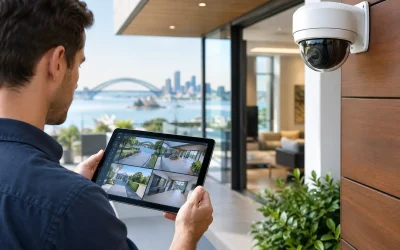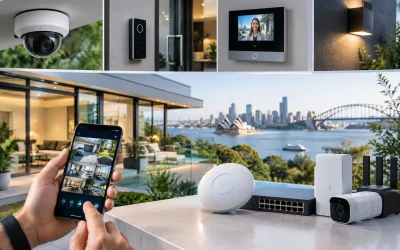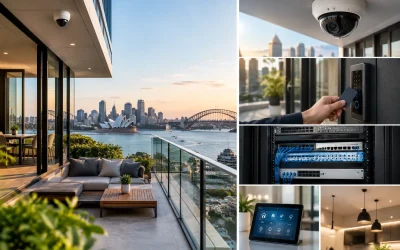



A front gate is not just a boundary. It is where deliveries arrive, contractors request access, residents return home, and staff greet visitors. Well-designed video intercom systems Sydney property owners choose make that point of entry clear, controlled, and practical – whether someone is at the door, in the office, or away from the site.
The difference is rarely the screen mounted at the gate. It is the planning behind it: camera placement, network coverage, gate hardware, resident or staff access, power availability, and the way the intercom connects with CCTV, alarms, access control, and automation. A system that is specified as part of the property infrastructure will be easier to use and far more dependable over time.
Start with the entry experience, not the handset
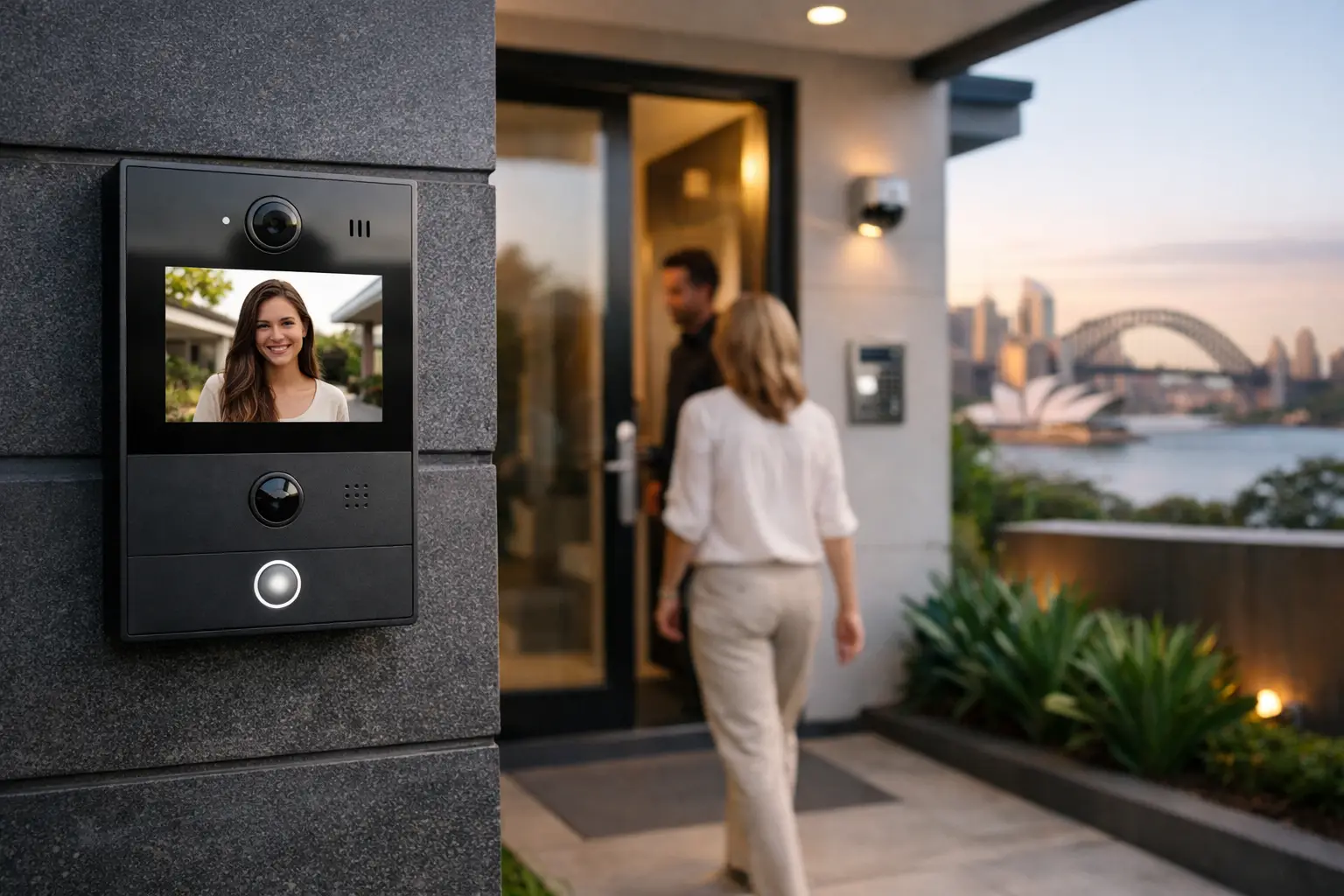
A video intercom should answer a simple question quickly: who is requesting access, and what should happen next? For a house, that may mean seeing a courier at the pedestrian gate, speaking from a wall panel or mobile device, then releasing a strike or sliding gate. For an office or warehouse, it may involve directing visitors to reception, validating a contractor at a controlled entrance, or opening a vehicle gate after visual verification.
The right workflow depends on the property. A single-family home may need one entry panel and several internal stations. A larger residence may need gate, front-door, pool-house, and service-entry calls routed to selected rooms. A commercial building may require a directory, timed schedules, multiple doors, audit trails, and different permissions for employees, tenants, cleaners, and delivery personnel.
This is why product selection should follow an entry plan. Installing a capable panel in the wrong location, with poor sight lines or inadequate lighting, still creates friction at the gate.
The infrastructure determines long-term reliability
Intercom performance depends heavily on the cabling and network behind it. Professional IP intercom platforms such as Akuvox can provide high-quality video, multiple call destinations, mobile access, and integration options, but they need a properly designed network to do their job consistently.
For new builds and major renovations, structured cabling is usually the preferred foundation. A hardwired connection to the entry panel avoids relying on marginal Wi-Fi at the perimeter and supports stable video, voice, access control, and future upgrades. Power over Ethernet can supply power and data through one cable, simplifying the installation while allowing equipment to be supported from centralized network hardware.
For retrofit properties, the approach may be different. Existing conduit, power locations, gate motor wiring, and available pathways often determine what is practical. Wireless can have a role where cable runs are genuinely difficult, but it should be assessed against distance, building materials, signal congestion, and the consequences of an interrupted call. At a critical entry point, a cable connection is generally the more predictable option.
A UniFi network can provide the switching, Wi-Fi coverage, device segmentation, and visibility needed for a connected property. The intercom should not compete unnecessarily with guest devices, streaming equipment, or business traffic. Separating security and building systems on an appropriately configured network helps maintain performance and makes future service work more straightforward.
Plan power, gate hardware, and fail behavior together
The intercom is only one part of the access chain. The electric strike, magnetic lock, gate controller, pedestrian gate latch, exit button, safety devices, and power supply must be considered as one system. A screen can authorize an opening command, but the physical hardware determines whether the door or gate opens safely and securely.
It also matters what happens during a power outage, network interruption, or fire alarm event. Some doors need to remain locked; others must release for safe egress. These decisions should be aligned with the door type, occupancy, applicable requirements, and the property’s security priorities. Licensed electrical work and access-control design should be coordinated rather than handled as separate afterthoughts.
Video quality is about identification, not marketing specifications
A wide-angle camera is useful at an entry, but an excessively wide view can make faces appear too small for reliable identification. The best position captures a visitor’s face at a natural standing location while also showing enough of the surrounding area to understand what is happening.
Lighting is equally important. A visitor standing under a bright overhead fitting or facing direct afternoon sun can be difficult to see despite a high-resolution camera. At gates, consider night lighting, reflections from metal surfaces, and whether the panel is exposed to rain, dust, salt air, or vandalism. The equipment enclosure, mounting height, weather rating, and cable protection all affect service life.
For high-risk or high-traffic entries, an intercom can be complemented by dedicated CCTV. The intercom camera handles the conversation and immediate identification. A properly positioned CCTV camera can record the wider approach, vehicles, packages, and activity around the gate or lobby. These are related functions, but they are not always best handled by one camera.
A connected system offers better control without adding complexity
The practical value of an intercom increases when it works with systems the property already uses. A resident might receive a call on an indoor panel and, depending on the chosen platform and configuration, on a mobile device. A business can combine intercom calls with access control credentials so employees use cards, fobs, PINs, or mobile access while visitors follow a separate verification process.
At a premium residence, the entry system can also form part of an Apple Home or Home Assistant environment. The useful outcome is not novelty. It is reducing the number of separate apps, wall controls, and disconnected devices that owners need to manage. An approved gate release, entry lighting scene, or notification can be designed around real routines, subject to the security rules set for the property.
There are trade-offs. Remote opening is convenient, but it should not become an automatic response to every alert. For some sites, a clear live-view-and-conversation process is appropriate. Others may require reception approval, restricted opening hours, or a second credential before a gate release. The system should reflect the level of risk and accountability required at that entry.
Intercom design for homes, strata, and commercial sites
Residential intercom projects often center on convenience and discreet integration. Homeowners may want a gate panel that complements the architecture, internal stations where they are genuinely useful, and access that works for family members, tradespeople, cleaners, and regular deliveries. In a new build, the intercom should be planned alongside lighting, network cabinets, gates, CCTV, AV, and automation wiring before walls and driveways are finished.
Strata properties require a different level of coordination. Apartment or townhouse sites may need resident directories, multiple buildings, common-area doors, lift integration considerations, visitor records, and a clear approach to moves, tenant changes, and ongoing maintenance. The platform must be manageable for the people responsible for the site, not only impressive on handover day.
Commercial and industrial properties commonly need intercoms at pedestrian doors, staff entrances, loading docks, vehicle gates, and restricted areas. The key questions are operational: Who answers after hours? Can calls be routed to more than one destination? How are visitors handled when reception is unattended? Is there a record of credential use and door events? These details influence equipment choice, access-control configuration, and support requirements.
Questions worth resolving before installation
Before selecting equipment, establish the number of entries, likely call recipients, expected visitor volume, and whether the system must support remote management. Confirm where network equipment will live, how the entry panel will be powered, and whether there is a protected cable path from the building to the gate.
It is also worth deciding how the system will be maintained. User names, resident details, access credentials, and mobile permissions change. A good installation gives the owner or manager a clear process for those changes and documents the network, power supplies, door hardware, and system configuration for future service.
For properties with existing security systems, ask whether the intercom can be designed around what is already working. Sometimes an upgrade can reuse portions of the infrastructure. In other cases, retaining outdated cabling, unsuitable gate hardware, or an overloaded network creates a false saving and limits the outcome.
Design the entry point as part of the whole property
The strongest intercom installations feel uncomplicated to the people using them because the technical decisions were made early. Calls reach the right person. Visitors are visible. Gates and doors respond correctly. The network supports the system, and security events can be understood in context through access control and CCTV.
Alpha Security Corp approaches video intercoms as part of a connected property design, coordinating security, electrical, cabling, networking, and automation where the project calls for it. The most useful next step is to map the daily entry scenarios at your property before choosing the panel on the wall. That conversation usually reveals what the system truly needs to do.